FEI Vaccine Update February 2025
FEI vaccinations have changed! As of 3rd February 2025, Equine Influenza vaccinations for all horses competing under FEI guidelines must be recorded on the FEI HorseApp as well as in the horse’s passport.
What will happen at your next vaccination?
On the day of the vaccination, information from the vaccine administered to your horse will be recorded by the veterinarian on both your horse’s passport and the FEI app. A photograph of your horse may be taken to confirm identification. A photo of the vaccination page of your horse’s passport will also be recorded in the app.
Historic vaccinations can be submitted by either the horse owner or veterinarian. Information on how to add vaccines to the FEI HorseApp can be found here. Only Equine Influenza vaccinations need to be recorded on the app. All other vaccinations only need to be recorded in your horse’s passport.
To help us to get your FEI details recorded swiftly. Please make sure you follow these steps for your next vaccine appointment:
- Have the horse’s passport available
- Remove your horse’s rug as it may be necessary for us to photograph your horse to confirm identification
- Record your horse’s previous vaccinations in the HorseApp prior to your next vaccine appointment
What happens next?
All vaccines entered on the FEI HorseApp will be verified to ensure the accuracy of the data inputted.
Automatic vaccine reminder notifications will be sent to the horse owner via the app to reduce the risk of a lapse in vaccinations.
What will happen when you attend your next FEI event?
At events, the FEI Official Veterinarians will be able to see your horse’s vaccination status on the FEI HorseApp at the same time that they verify the Horse Health Requirements.
What are the Equine Influenza Requirements for FEI competitions?
The regulations vary depending on when your horse had the primary vaccination course (first 3 vaccinations).
Primary course requirements if administered BEFORE January 2024:
1st vaccination —21-92 days—> 2nd vaccination —150-215 days—>3rd vaccination
Primary course requirements if administered AFTER January 2024:
1st vaccination —21-60 days—> 2nd vaccination —120-180 days—> 3rd vaccination
Following the primary course, annual vaccination must be administered at an interval no greater than 12 months from the previous vaccination. The most recent vaccination for a horse attending an FEI event, should be between 7 days – 6 months 21 days prior to competing. Therefore, we recommend for all horse’s regularly attending FEI events to be vaccinated every 6 months to ensure these regulations are met.
Where can you get more information on this change?
- To download the FEI HorseApp click here
- For more information on how to use the FEI HorseApp click here
If you have any questions or are concerned about your horses vaccine record – please contact our friendly team who will be happy to assist you.

Vets in Towcester Discuss Benefits of Carrots for Pets
When it comes to snacks for pets, carrots are often hailed as a healthy option and “good for the teeth”. But do they actually help keep your pet’s teeth clean and healthy and are they right for your pet? Let’s crunch into the facts with our vets in Towcester to see how this colourful veg stacks up for cats, dogs, rabbits, guinea pigs, and small furries.
Book to see one of our vets if you have any concerns about your pet’s dental health.
Are carrots good for your pet?
Dogs
According to our vets in Towcester, carrots are a fantastic dental treat for dogs! Their crunchy texture helps scrape away soft plaque as your dog chews, acting like a natural toothbrush. They’re also low in calories and packed with nutrients like vitamin A and C, making them a great alternative to traditional dog treats. However, they’re not a substitute for regular dental care, so keep up with brushing and dental check-ups to ensure your dog’s teeth stay healthy.
Cats
While cats may not be as enthusiastic about carrots as dogs, small amounts of cooked carrot can occasionally be offered as a treat. However, don’t expect them to work wonders for your cat’s teeth. Cats are obligate carnivores, so their teeth are designed more for tearing than crunching. Towcester Vets’ team suggest sticking to dental diets or vet-recommended cat products to help maintain your cat’s oral health.
Rabbits and guinea pigs
Carrots are often thought of as a classic treat for rabbits and guinea pigs. While they can be a delightful snack, their high natural sugar content means they should only be offered occasionally. For these herbivorous pets, hay is the true champion of dental health. The continuous chewing action helps to keep their ever-growing teeth in check and reduces the risk of dental problems. While carrots add variety and provide vitamin C (especially important for guinea pigs) they’re more of an occasional treat than a dental care staple.
Small furries
Carrots can make a tasty, occasional treat for hamsters, gerbils, and other small furries, helping to satisfy their natural chewing instincts. However, their dental benefits are limited compared to species-specific chew toys or a well-balanced diet. When offering new foods, always introduce them gradually and in small portions to prevent digestive upset.
The verdict
Our vets in Towcester conclude that while carrots can make a healthy snack for many pets (in moderation), they aren’t a cure-all for dental problems. They can however, help reduce mild plaque in dogs. Even if they’re not a dental superfood, carrots are still pretty super, packed with vitamins and minerals, making them a great treat for both pets and people. Just remember – regular dental care is key to keeping your pet’s teeth in top shape!
Towcester Vets’ Snack Safety Tips:
- If you’re giving your pet carrots for the first time, start with small pieces and monitor for any adverse reactions or digestive issues.
- Always supervise snack time to avoid choking hazards.
If you’re concerned about your furry friend’s teeth, or just want to stay on top of their dental care, book a dental check-up with one of our vets in Towcester today.
Towcester Vets Ask – Have You Tried Online Dog Training Classes Yet?
In this article from Towcester Vets, we’re looking at dog training in a way you may not have considered. Virtual pet training classes have become increasingly popular, offering dog owners in Northamptonshire a convenient and accessible way to train their pets from the comfort of their own homes.
For advice on what type of things you should be training your puppy or adult dog on, ask our helpful team by calling 01327 350239.
See all our contact information
The rise of virtual pet training
At Towcester Vets, we think finding local dog training classes in Northamptonshire, with an experienced dog trainer is a fantastic way to get in-person interaction and training, which may be exactly what you and your dog need.
If there are time constraints, mobility issues, or limited classes locally, online pet training classes can be a game-changer for many pet owners in Northamptonshire. These online courses offer unrivalled flexibility and allow pet owners to access professional advice and instruction at a time that suits them, reducing the pressure of coordinating schedules.
Training sessions are typically held via video calls, with professionals guiding owners through a series of lessons aimed at improving obedience, behaviour, and socialisation. Some services even offer on-demand video content, which can be accessed anytime, allowing for self-paced learning.
Our team at Towcester Vets suggest searching the web for “online dog training for dog owners” or “virtual dog training classes”.
Benefits of virtual dog training
- Convenience: Owners can train their dog from home without the hassle of travel or scheduling conflicts.
- Cost-effective: Virtual classes can sometimes be more affordable than in-person sessions, making it easier for more pet owners to access dog training.
- Customised Learning: Some virtual training programs offer personalised sessions, where trainers can focus on specific issues that a dog may have, providing tailored advice and strategies.
- Comfortable Environment: Dogs are often more relaxed in their familiar surroundings at home, which can lead to better focus and behaviour during training, providing everyday distractions are limited.
- Flexibility: Owners can often pause or stop virtual sessions when their dog needs a break and pick them back up later, without losing time with the trainer or being left out of pocket.
Our veterinary team in Towcester can advise you on what type of training your puppy or adult dog may benefit from – ask us by calling 01327 350239.
Tips for staying safe and secure
Currently, dog trainers in the UK don’t have to have qualifications to practise, so it’s important to do your research before signing up for classes both in person and online:
- If you have found a dog trainer in Northamptonshire, ask for their certifications and qualifications in dog training, and canine behaviour if they have them.
- Ask if the dog trainer is insured.
- Find out if the trainer offers a taster session before committing to a full course to ensure both you and your dog feel comfortable with the group, and their training methods. Dog training should always be positive reinforcement-based and fear-free.
- With online dog training classes especially, look at independent pet owner reviews and ensure the website has a real address and secure payment option before parting with any money.
The future of pet training
Our team at Towcester Vets are excited for what lies ahead for pet owners in Northamptonshire. As AI technology continues to advance, the potential for virtual pet training to become even more sophisticated is vast. Artificial intelligence (AI) is already enhancing the virtual training experience by providing personalised and real-time feedback. Through AI-powered apps and devices, pet owners can track their pet’s progress, analyse behaviour, and receive instant guidance on how to address specific challenges.
Future developments may include fully automated training systems that adjust to a pet’s needs in real-time, offering even more personalised learning experiences.
For now, online pet training classes and AI assistance are already changing the landscape of pet care, offering owners the tools to train their pets effectively, more efficiently, and in a way that fits into their busy lives.
Have you tried virtual dog training? Tell us what your experiences have been on our Facebook page.
Contact us if you’d like more advice
Pet Bored or Feeling Blue? Our Vets Share How to Tell
As homes across Northamptonshire settle into the hustle of the New Year, this often means quieter, less stimulating days for our pets, which can lead to boredom or even sadness. Towcester Vets’ team shares that just like people, pets can experience shifts in their mood, but the signs may not always be obvious. Understanding whether your pet is bored, or feeling blue, can help you make them feel better in the months ahead.
Booking a check-up for the New Year is a great idea to ensure there’s nothing else going on that requires attention.
Book a New Year checkup for your pet
Understanding pet boredom
Our vets explain that pets, especially dogs and cats, thrive on routine and engagement. When life slows down for them after the busy holiday season, your pet may feel a little left out. Boredom in pets can manifest in various ways:
- Excessive barking or meowing to get your attention.
- Destructive behaviour such as chewing on furniture, shoes, and other household items, or clawing at the curtains and furniture. Small pets might excessively chew on the bars of their cage.
- Restlessness and pacing, unable to settle down.
Boredom is one of the most common issues faced by pets during winter months in Northamptonshire as a lack of exercise and enrichment can leave them feeling frustrated and under-stimulated.
It’s always wise to get your pet checked over to ensure there is nothing else going on that could be contributing to their behaviour. Book a check-up now.
What about the “Blues”?
On the other hand, pets can also experience emotional lows. Our vets explain that just like humans, they can feel down, especially during darker months. Symptoms of depression in pets can be more subtle, and often look similar to boredom, but there are a few key differences:
- Eating less (or more) than usual.
- A lack of interest in favourite activities i.e. refusing to go on a daily walk they once loved, or less or no engagement with toys or playtime.
- Being unusually lethargic.
Seasonal changes in Northamptonshire, especially the lack of sunlight in winter, can contribute to a pet’s mood swings, with some pets even developing a form of seasonal affective disorder (SAD).
If you have noticed changes in your pet’s behaviour, book an appointment with one of our vets in Towcester so they can rule out any health issues that might explain things.
Help your pet feel better
If you’ve noticed your pet seems down, there are plenty of things you can do to improve their mood and get them back on track.
- Increase mental stimulation with puzzle toys, interactive games, or training sessions to engage your pet’s mind. Even for cats, food puzzles or new climbing structures can help relieve boredom. Add new chew toys, obstacles, tunnels, hideouts, and foraging trays to small pet habitats. Rabbits love to dig, so a homemade digging box would appeal to them.
- Encourage regular exercise such as brisk dog walks or short indoor play sessions with toys to keep them active. Cats may enjoy chasing a laser pointer or engaging with interactive toys. Give small pets time out of their housing in an indoor run or exercise ball (hamsters and rodents).
- Ensure your pet’s comfort with a quiet place to retreat to when they need rest. Give small furries extra bedding to snuggle into. A cosy bed in a sunny spot can help cats and dogs feel more secure.
- Pets thrive on routine and consistency, so keeping feeding, walking, and playtimes regular helps provide stability.
- Spend more one-on-one time with your pet. Cuddles and attention can help ease the loneliness and help them bond with you during quieter months.
If your pet’s mood seems to worsen or continues for an extended period, our vets say a visit to our vets in Towcester is a good idea. We can give your pet a full health check, offer advice, and in some cases, prescribe medications or make a referral for therapies which can help restore balance.
In conclusion, as well as their basic needs (food, water and shelter), a pet’s wellbeing depends emotional care, too. If your pet is exhibiting signs of boredom or sadness, it’s important to recognise the signs and provide them with the mental and physical stimulation they need. It’s also best to get their health checked by our experienced veterinary team at Towcester Vets to rule out any underlying conditions that might be contributing to their behaviour.
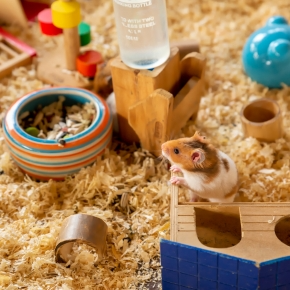
Love it or List it on eBay? Towcester Vets Has Advice for Small Pet Housing
If you’re familiar with the concept of Phil Spencer and Kirsty Allsop’s Channel 4 Show, Love It or List It, why not apply the same idea to your small pet’s tired-looking home?
Just as Phil and Kirsty do with homeowners, the veterinary nurses at our practice in Towcester challenge you to create a space that your hamster, gerbil, fancy rats, guinea pigs or rabbits will love. This may mean upgrading their current housing so your pets (and you) will love it, or indeed listing it on eBay and looking for their perfect new home.
Before we dig in, you can get more advice on caring for small furry pets from our friendly team, when you contact us to book a nurse appointment at Towcester Vets.
Is it time for a habitat upgrade?
First things first. Before you decide to invest some love into your pet’s current habitat or buy new, the nursing team at Towcester Vets recommend asking yourself these questions:
- Has your pet outgrown their space or do they need more room to play?
- Does their housing include hide spots, tunnels, or toys for enrichment?
- Is the enclosure easy to clean and free of lingering odours?
- Are there any safety concerns, like loose bars, sharp edges, damage, or escape routes that need fixing?
- Is the housing watertight (if outdoors) and showing no signs of wear?
If you’re re-using, or upcycling your pet’s current home, download our habitat cleaning tips to help you maintain a clean and safe space.
Top tips for a perfect tiny pet home
Whether you’re repairing existing or choosing new, these tips from Towcester Vets’ veterinary nurses will help ensure your small pet thrives.
1. Choose housing that suits their needs
Every small pet has unique housing requirements based on size, activity level, and natural behaviour:
- Hamsters and Gerbils: Prefer deep bases for burrowing and enjoy tunnels. Glass enclosures can be ideal.
- Guinea Pigs and Rabbits: Need ample room to roam and jump about and will benefit from multiple levels (apart from seniors), and an outdoor run for sunlight.
- Rats and Mice: Thrive in modular cages with climbing options. Proper ventilation is essential to keep your pet healthy. Avoid cramped spaces or overly enclosed setups.
2. Add enrichment and comfort
Your pet’s home should offer more than just a place to sleep. Towcester Vets’ team suggest including:
- Exercise Wheels: Great for active pets like hamsters and rats (too dangerous for guinea pigs).
- Hiding Spots: Provide safety and a sense of security.
- Interactive Toys: Tunnels, chew toys, or treat dispensers to keep them entertained. Also, don’t forget soft, cosy bedding for extra comfort during rest times.
3. Location, location, location!
So much great TV, Phil and Kirsty! The location of your pet’s enclosure matters. Keep them in a space where they can feel secure without being isolated. Towcester Vets’ nursing team recommend:
- Avoiding areas with drafts or direct sunlight.
- Placing them where they can see you but avoid overwhelming noise.
- Ensuring their environment stays at a stable temperature.
Make this year the best for your small pets
So, do you think you and your small pet can love their existing housing again after a New Year blitz and revamp, or will you choose to fix it up and list it on eBay so you can start searching for their perfect new home?
Whichever you decide, you’ll be giving your hamster, gerbil, fancy rats, guinea pigs or rabbits a safe and stimulating home to enjoy. If you have questions or need advice, contact our nursing team at Towcester Vets.
Contact us for advice or to register your small pet
Before you go, remember to download our Habitat Cleaning Tips.

Vets in Towcester Share Why Pets Must Stay Hydrated in Winter
Staying hydrated is essential for your pet’s health, whatever the season. While it’s easy to associate water needs with hot, sunny days, cold weather poses unique risks for dehydration. Heating your home in winter can mean hot, dry air and low humidity, which can contribute to dehydration. At Towcester Vets, we want to ensure you have all the advice you need to help your dog, cat, rabbit or guinea pig stay hydrated and healthy this winter.
Contact us for tailored advice
Why do pets need hydration in cold weather?
Our vets in Towcester explain that just like in the summer, water plays a crucial role in your pet’s body during winter. It helps:
- Regulate Body Temperature – Even in colder weather, pets need water to maintain a stable body temperature.
- Support Digestion – Proper hydration helps avoid issues like constipation, which can occur in winter when activity levels drop.
- Flush Out Toxins – Water keeps their kidneys healthy by aiding waste removal.
- Keep Joints Healthy – Hydrated joints are essential for older pets, especially in cold weather.
How much water should my pet be drinking this winter?
The approximate daily intake of water for adult pets should be:
- For Dogs and cats – 50–60ml of water per kilogram of body weight.
- For Rabbits – 50-150ml per kilogram of body weight.
- For Guinea pigs – 50-100ml.
Conditions like kidney disease or diabetes may lead to increased thirst, so it’s important to monitor your pet’s water intake and contact our vets in Towcester if you notice any changes.
How to tell if your pet is drinking and how much? Our team at Towcester Vets suggest measuring your pet’s daily water amount and putting a mark on the side of their water bowl or bottle using a sticker, tape, or a drywipe pen. You will be able to then see if the water level is going down and your pet is drinking.
How to encourage your pet to drink
Pets may drink less when it’s cold because they feel less thirsty. Try these tips from our vets in Towcester to ensure they stay hydrated:
- Keep water bowls clean and accessible – Place bowls in areas your pet frequents and check outdoor bowls aren’t frozen over.
- Offer warm water – Slightly warmed water can be more appealing on chilly days.
- Add moisture to their food – Wet food or water added to dry food can increase their intake. Some cats may drink less if they eat only wet food.
- Use pet fountains – Some pets prefer moving water, which can encourage them to drink more.
- Check water bottle are working – If you’re small pet uses a water bottle, check it daily for blockages and clean it regularly to prevent bacterial growth.
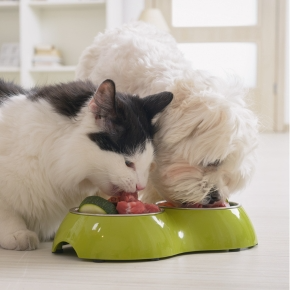
If you have two cats or dogs, a water bowl each next to their food bowl may help, but they’ll probably still drink each other’s. Try putting water in with your pet’s food too. For rabbits and guinea pigs, fresh hay and vegetables high in water content, like lettuce (avoid iceberg lettuce) and cucumber, also contribute to their hydration.
Spotting dehydration in pets
Even with your best efforts, dehydration can happen. Watch for these common signs in your pet:
- Dry nose or gums
- Lethargy or lack of energy
- Loss of appetite
- Sunken eyes
- Skin that stays tented when gently pinched and released (dogs and cats; less applicable to small furries)
- Sticky or thick saliva (more common in dogs and cats; harder to spot in small furries)
- Reduced urination (or darker-coloured urine)
- Cold extremities, such as paws or ears
- Weakness or wobbliness
When to seek veterinary advice
If you notice any of the above symptoms, make sure you contact us to book a vet appointment at our vet practice in Towcester as soon as possible.
If your pet refuses to drink or shows signs of severe dehydration, don’t wait. Call us on 01327 350239 to arrange an urgent check-up.
By staying mindful of your pet’s hydration, even in the coldest weather this winter in Northamptonshire, you can ensure they remain healthy and happy. As always, we’re here to help so if you have any questions about this topic or would like tailored hydration advice for your pet, please do get in touch.
Contact us for tailored advice

New Year Bucket List Adventures for Dogs in Northamptonshire
The new year is the perfect time to tick off a few adventures on your dog’s bucket list. At Towcester Vets, we’ve got some great ideas for Northamptonshire dogs in 2025!
Book an appointment with one of our friendly vets to make sure your dog’s ready for an adventurous year ahead.
1. Explore new dog-friendly parks
Start by discovering new dog-friendly parks in Northamptonshire and further afield. Whether it’s a local spot or a hidden gem, your dog will love exploring new places with you!
Tips:
- Pack Treats: Keep some tasty rewards on hand for your dog.
- Bring Water: Hydration is key for both of you!
2. Have a beach day
Towcester Vets’ nurses love taking their dogs to beaches for a fun-filled day of running, swimming, and relaxing together. If your dog hasn’t been to a beach yet, make 2025 the year for sandy exploration! If you’re a regular dog-friendly beach visitor, why not find a new coastal hot spot for you both to try out?
Tips:
- Watch The Water: Keep an eye on your dog if they’re not used to swimming.
- Protect Paws: Hot (summer) sand and stoney/rocky areas can be tough on your dog’s feet.
- Heat Safety: If you’re going on a hot day, avoid prolonged time in the sun, apply pet sunscreen, keep them hydrated, and watch for signs of overheating such as excessive panting and drooling.
3. Hit the road for a road trip
Our vets in Towcester suggest packing up the car and taking your dog on a scenic road trip. Whether it’s a day trip, a weekend getaway or a full-on adventure, your dog will love being your travel buddy. Many ferry routes (within UK) accept walk-on passengers with dogs, as do most trains; both modes of transport could add an extra element of doggy fun!
Tips:
- Car Safety: Use a dog seatbelt or crate for safe travels.
- Frequent Breaks: Stop for walks, refreshments and bathroom breaks along the way.
4. Go camping
Camping typically means all huddling together in one bed, hanging out by the campfire, and throwing a ball around – we love this for you and your dog!
Tips:
- Stay Secure: Ensure your dog can’t escape when you’re in and around the tent.
- Heat Safety: Tents can get incredibly hot inside in warm weather so never leave your dog inside unattended.
5. Try a new dog sport
Depending on your dog’s age, health, mobility and temperament, you may be able to get them active and engaged by trying a new dog sport. Whether it’s canine agility, flyball, or dock diving, your dog may love the challenge and excitement. Our team at Towcester Vets may be able to help you find the perfect activity for your dog’s energy levels – just ask our team at your dog’s next health check.
6. Take a hike
Hit the trails with your dog! Hiking is a great way to explore the great outdoors together and get some exercise along the way.
Tips:
- Bring Snacks and Water: Make sure you and your dog stay fuelled up.
- Check the trail: Ensure the hike is dog-friendly and safe.
Get ready for 2025!
Before setting off on these amazing adventures, make sure your dog’s health is up to scratch. Book an appointment at Towcester Vets for a quick check-up and get your dog ready for the year ahead.

Immunisation advice
Vaccine Fact Sheet
Vaccine schedules change regularly so please check with your competition regulators to make sure you are up to date.
Towcester Veterinary Centre’s equine vets routinely vaccinate horses against:
Equine Influenza
- A virus affecting the respiratory system, resulting in a high fever, runny nose, and cough.
- Typically affects young horses.
- Rarely fatal, however, it can be a very debilitating disease.
Initial course of 3 vaccinations (2nd vaccine: 21-60 days after 1st vaccine; 3rd vaccine 120-180 days after 2nd vaccine) with boosters every 6 months or annually depending on competition requirements.
Tetanus
- Caused by production of endotoxins by the bacteria Clostridium tetani.
- Following a wound, if unvaccinated or overdue, horses must be given a tetanus antitoxin injection urgently to prevent tetanus infection.
- This is usually a fatal condition.
Initial course of 2 vaccinations four weeks apart with boosters every other year.
Equine Herpes Virus (EHV)
- Usually given to breeding stock.
- Common virus worldwide.
- EHV-1 causes respiratory disease in young horses, paralysis in all ages/types, and abortion in pregnant mares.
- EHV-4 causes a less severe respiratory disease, and occasionally abortion.
Pregnant mares – Vaccines at 5, 7 and 9 months of pregnancy.
Respiratory protection – Initial course of 2 vaccinations four weeks apart with boosters every 6 months.
Strangles
- A bacteria affecting the respiratory system, resulting in a high fever, snotty nose and swollen lymph nodes.
- Highly contagious and can be spread horse-to-horse or via contact with infected material on people or objects.
- Rarely fatal, however, it can be a very debilitating disease.
Initial course of 2 vaccinations four weeks apart with boosters every 6 months.
If you’d like to know more about equine immunisations, please don’t hesitate to get in touch and ask for advice from our equine team.
Contact us about your horse’s vaccinations.

Can Cats and Dogs Eat A Vegan Diet? Our Vets Have This Advice
Each January, the Veganuary campaign inspires people across the UK to embrace plant-based eating for the month, often driven by ethical beliefs or health considerations. You might be wondering if your pet can join you on this initiative. To help pet owners in Northamptonshire understand what diet is safe for their pets this January, our team have put together the following advice.
Get tailored nutritional advice for your pet by contacting us to book an appointment with our experienced registered veterinary nurses at Towcester Vets.
Book a pet nutrition nurse appointment
Choosing the right diet for your pet
Towcester Vets’ veterinary surgeons and registered veterinary nurses are highly trained when it comes to providing guidance on proper pet nutrition and care. While humans can choose dietary preferences, it’s crucial to prioritise the wellbeing and health of our pets by providing them with diets that meet their nutritional and health requirements.
The protein in your pet’s diet provides them with amino acids, and these are essentially the building blocks of your pet’s body. Our team at Towcester Vets can advise you on the protein sources and levels your pet needs, as well as all other aspects of pet nutrition. Each type of pet will need a slightly different diet based on their size, exercise levels, age and health condition. So, consulting with our team at Towcester Vets is the best way to ensure your pet is receiving the right balance of nutrition for their individual needs.
Can dogs eat a vegan diet?
Advice for dog owners in Northamptonshire is that a dog’s diet must provide the right balance of essential nutrients like proteins, vitamins, and fats. Unlike their ancestors, today’s dogs are omnivores, able to gain nutrients from both animal and plant sources. It’s important to be aware that insufficient nutrition may lead to health conditions impacting your dog’s heart, skin, coat, and immune system. While animal proteins provide high-quality ‘complete’ proteins with optimal amino acid ratios, plant proteins can be more complex. They often contain compounds like tannins, which can bind to the protein and make it harder for your dog to absorb.
That said, it’s all about getting the right balance for your dog’s individual needs. If you’re considering trying a diet that’s very different, such as a plant-based diet, your vet at Towcester Vets will work with you to ensure your dog’s new diet contains everything they need for optimum health.
Can cats eat a vegan diet?
Cats are obligate carnivores, meaning their bodies are specifically adapted to thrive on a diet rich in animal-based protein – quite the opposite of the Veganuary challenge. They require nutrients found only in animal tissue, and insufficient intake of these nutrients can lead to serious health issues.
Our team explain that cats need 11 essential amino acids in their diet, which they cannot produce on their own. These amino acids – lysine, arginine, phenylalanine, histidine, isoleucine, leucine, methionine, taurine, valine, tryptophan, and threonine – are crucial for various aspects of health, including vision, heart function, muscle growth, and hormone balance. Without adequate amounts of these nutrients, cats are at risk of health conditions like vision impairment, heart disease, hormonal imbalances, and overall malnutrition.
Due to this, we highly recommends that cats should not eat a vegan diet, to avoid putting their health at risk.
To learn more about your pet’s individual nutritional needs, contact us to book an appointment with our experienced veterinary nurses in Towcester.
Talk to our nurses about pet nutrition
Vets in Towcester Share Winter Tips for Chronic Pet Ailments
Winter in Northamptonshire can pose challenges for pets with long-term health conditions, such as arthritis, obesity, diabetes, and heart disease, as colder temperatures and changes in routine can affect their wellbeing. Here are some practical tips from our vets in Towcester to help you keep your furry friend healthy and comfortable during the winter months.
Book a vet consultation for tailored advice
5 tips for managing pet health conditions in winter
1. Maintain a consistent exercise routine
Our vets in Towcester advise that regular exercise is vital for pets with conditions like arthritis or diabetes. Adjust the duration and intensity of outdoor activities based on the weather and consider incorporating indoor exercises such as gentle games or short house walks. For dogs with mobility issues, canine hydrotherapy pools or treadmills can be an excellent therapeutic, low-impact exercise option.
For tailored exercise plans or advice on canine hydrotherapy referrals, talk to Towcester Vets’ experienced veterinary team by calling 01327 350239.
2. Monitor for changes
Cold weather can exacerbate health issues, so keep a close eye on your pet for any changes in behaviour, appetite, or weight. If you notice increased stiffness in arthritic pets or worsening respiratory symptoms, book a vet consultation in Towcester for advice on adjusting their treatment plan.
3. Keep them warm and comfortable
Pets with joint problems may struggle in the cold. Our vets recommend providing extra warmth in their bedding with blankets or pet-safe thermal mats. You could also consider elevating your pet’s bed off the floor (if they can still climb in easily) or putting some insulating material underneath such as:
- Foam mats: They provide excellent insulation and cushioning.
- Reflective thermal pads: Designed to reflect your pet’s body heat back up.
- Carpet remnants or rugs: Add a warm barrier between the bed and the cold floor.
- Fleece blankets: Lightweight and effective at trapping heat.
For outdoor trips, use a well-fitted coat or jumper to keep your pet warm and dry.
4. Adjust their diet as needed
Another tip from our vets in Towcester is to monitor your pet’s diet, especially if they are less active in winter. Overfeeding can lead to weight gain, which can strain conditions like arthritis. It’s best to talk to our vets about any necessary dietary adjustments and stick to prescribed foods for pets with specific health needs.
5. Stick to medication schedules
It’s also important to maintain a consistent medication schedule, even during the busy holiday season. Use reminders or pillboxes to keep track of medications and supplements, helping to avoid missed doses.
With a little extra care and attention, you can help your pet manage their long-term health conditions throughout winter. If you have any questions or concerns about your pet’s wellbeing, don’t hesitate to reach out to our vet practice in Towcester. We’re here to help.
Book a vet consultation for tailored advice