

Colic is one of the most common equine emergencies we see at Towcester Equine Vets. It is not a disease, rather colic describes general abdominal pain and discomfort. There are many ‘types’ of colic, which means there are a lot of disease processes (and changes that can occur in the gastrointestinal tract) that cause abdominal pain. Any horse displaying signs of colic is a cause for concern. We recommended that you contact your vet if you suspect colic, as early recognition and treatment is the key to successfully dealing with the condition.
What are the signs of colic in horses?
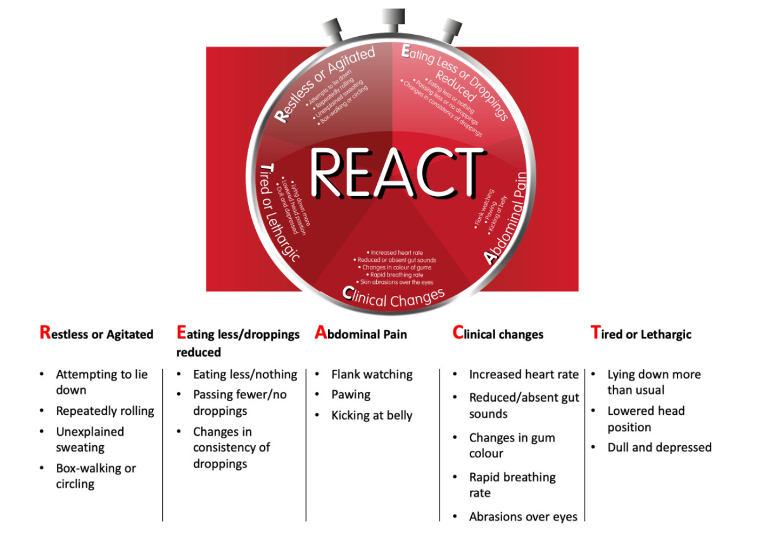
The signs a horse can exhibit when experiencing abdominal pain are broad. To help owners remember how to recognise key signs exhibited by a horse when they have colic, the British Horse Society created the REACT mnemonic:
A couple of things that are worth bearing in mind are that:
- Not all horses will display all the signs listed above.
- The severity of colic signs can depend on the individual horse and the severity of the disease process; levels of pain do not always correlate with level of severity.
How do I reduce the risk of colic?
Colic can occur year-round in both stabled horses and those out at grass. Although the causes are often unknown, there are a few key risk factors that can contribute to the onset of colic. Therefore, there are some simple steps that all owners can take to help reduce the risk of a colic episode.
Feed and water intake
- A horse’s diet should mostly be composed of forage, such as hay or grass. Horses are hindgut fermenters so feeding forage is essential to maintain a healthy gut and normal gut motility.
- Introduce feed changes slowly. A horse’s gastrointestinal tract is home to millions of bacteria; introducing new feeds or new feeding routines slowly allows these “good” bacteria a chance to adapt.
- Ensure your horse has access to a constant supply of clean fresh drinking water. This is especially important during winter when water supplies can freeze over, so check your water supplies and remove any ice twice daily.
- Ensure your horse is not turned out onto sandy surfaces to graze. Ingested sand particles can accumulate in the gastrointestinal tract, causing abrasion and discomfort.
- Do not feed unsoaked sugar beet or mash like feeds which expand with water. If these are fed unsoaked they can form a dry ball of solid material in the gut, which can lead to impactions.
Routine healthcare
- Maintain a worming protocol. A high parasite burden can cause significant damage to the gastrointestinal tract. We recommend using faecal worm egg counts to monitor your horse’s parasite burden and using the appropriate wormer when needed.
- Regular dental check-ups ensure that your horse can chew properly. Inability to fully chew food can lead to horses swallowing larger portions of feed and increases the risk of impaction colic.
Seasonal changes
- Abundant growth of lush grass in spring and autumn can lead to horses consuming large quantities quickly. This undergoes rapid fermentation in the gastrointestinal tract, leading to gassy or spasmodic colic episodes. Restricted grazing is recommended during these times to prevent horses from gorging on fresh grass.
- In the winter, the colder weather impacts a horse’s access to forage and fresh water, as water sources may freeze, and grazing may be sparse. Ensure supplementary forage and fresh water is always available.
- In the winter, many horses’ routines change too; they go from being out at pasture to stabled. Make sure this management change is made gradually, as sudden box rest increases the risk of impactions due to less movement and reduced moisture in forage compared to grazing. Daily exercise can help reduce the risk of impactions and soaking the forage initially can also help the gut acclimatise from grass to hay or haylage.
What to do if you think your horse is colicing
If your horse is showing any signs of colic, it is best to get them checked over by a vet. The vet will likely ask you questions about your horse and their demeanour. So, prepare to answer the following:
- Has your horse passed any droppings?
- Is your horse trying to get down and roll?
- Has your horse had any recent changes in management?
- Has your horse had any previous episodes of colic?
When you’re organising a vet visit, it can also be useful to give the vet directions, a what3words or significant landmarks to help them get to you and your horse in a timely manner.
Preparing for your vet visit
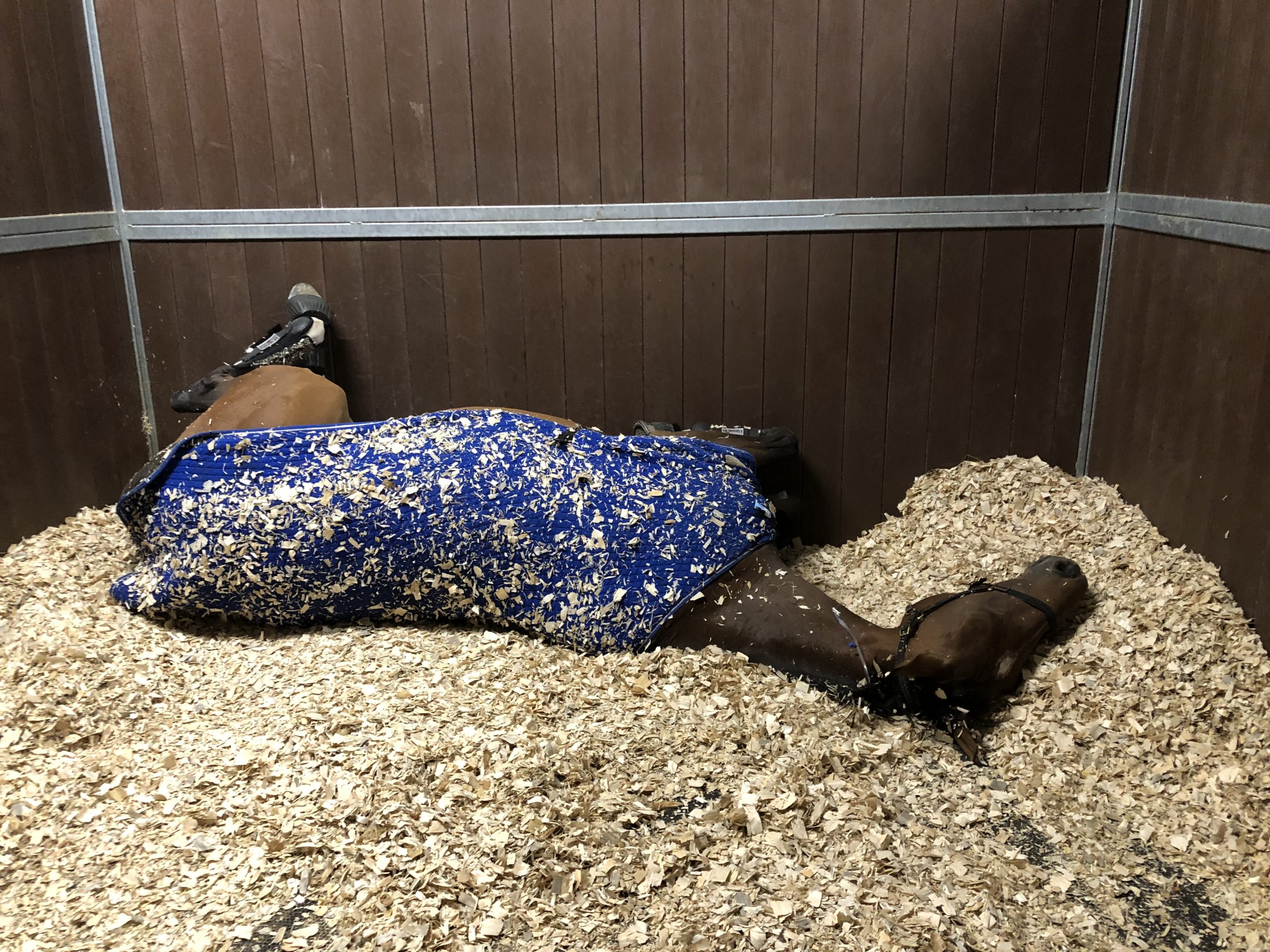
If your horse is showing signs of severe pain, such as rolling, it is best to put them in a safe and secure area, such as stable or arena, with all feed removed whilst awaiting the vet. It is not advisable to try and stop them rolling as when they are in pain, they will not be conscious of their surroundings and therefore your safety will be at risk. Although it can be distressing to witness as an owner, a horse will not make their colic “worse” or twist their gut by rolling.
If safe to do so walking the horse can help to settle the horse prior to the visit.
Diagnosing and treating colic
Colic diagnosis will include an examination of your horse to assess heart rate, gut noise and hydration status. Rectal palpations provide information on the cause of the colic to allow for specific targeted treatment. Sometimes, a sample of peritoneal fluid (the fluid surrounding the intestines), is obtained to help give information on the health status of the horse’s guts.
Treatment normally includes painkillers, anti-spasmodics and possibly a sedative. Horses suffering with impactions or dehydration may be administered oral fluids via stomach tubing. Some colic conditions require exercise, hospitalisation or surgery. The vet will discuss with you the most appropriate treatment options available for your horse.
It is sensible to have a plan in place as to how your horse would be transported in an emergency, including telephone numbers of horse transporters if required. Discussions about whether colic surgery and referral are an option for your horse are far better done in advance so in an emergency, clear decisions can be made quickly when time is of the essence; if your horse is stabled on a livery yard, it is also prudent to share these plans with the yard owner.
In Summary
In most cases, colic is seen as an emergency and a vet will come to assess your horse as soon as they can. Learning & using the REACT checklist is important as it will help in early recognition, treatment and sometimes referral. Don’t forget, a prompt veterinary assessment can make all the difference in ensuring the best possible outcome for a horse suffering from colic as it allows your vet to make good, early decisions.
Written by Veterinary Surgeons Abi Jennings & Danielle Bowles