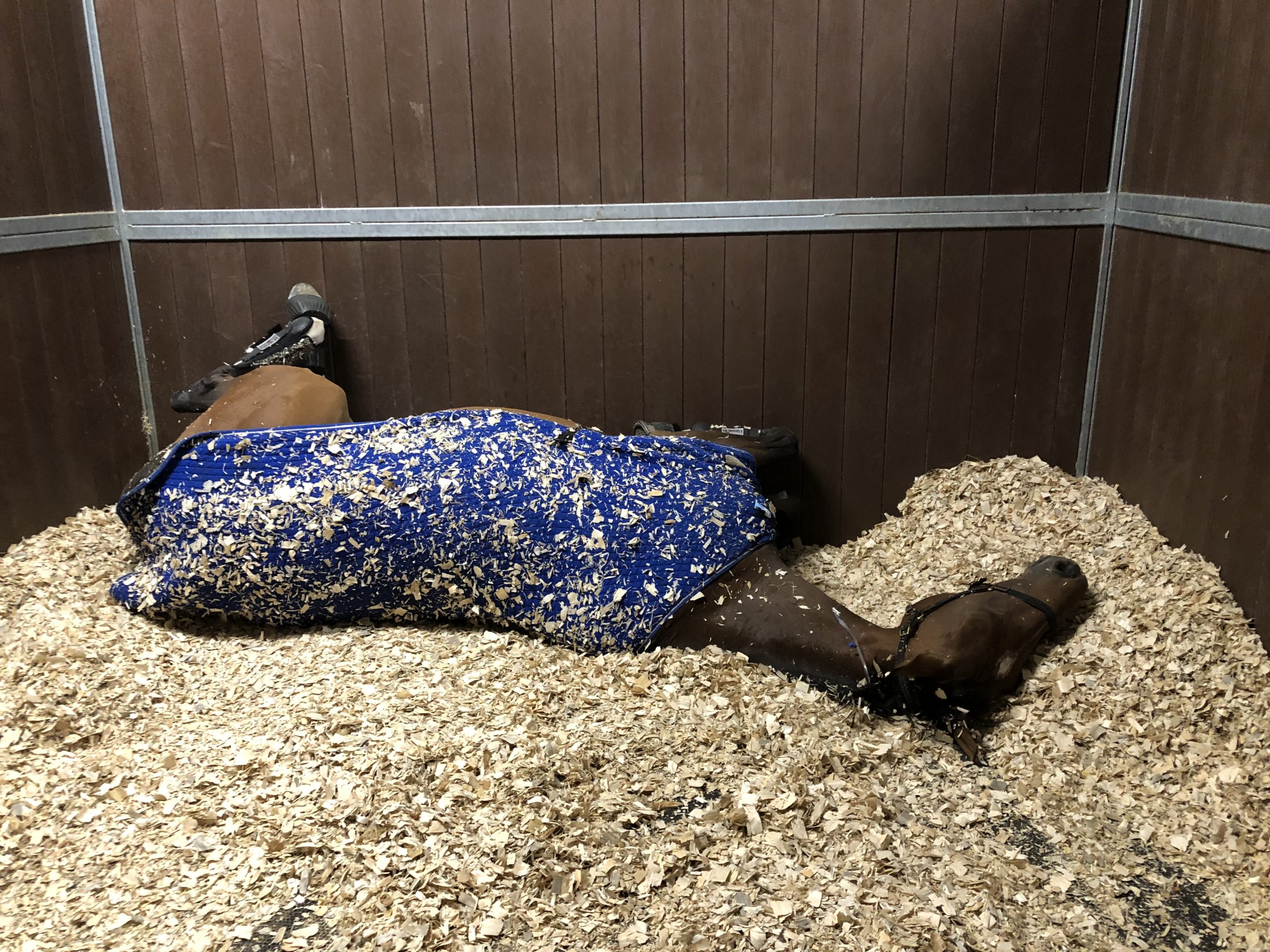
STRANGLES IN HORSES
The stigma associated with Strangles in horses can make the diagnosis of this disease stressful & confusing for horse and yard owners alike. To help provide essential facts, the equine vets at Towcester and Onley have created this quick overview article.
What is Strangles in horses?
Strangles is a highly contagious disease that affects the upper respiratory tract in horses. It is caused by the bacteria Streptococcus equi equi and can affect any horse, pony or donkey. The disease can be debilitating but is rarely life threatening, however 1 in 10 horses remain persistently infected as ‘carriers’.
Why is it called Strangles?
Swelling and the formation of abscesses in the lymph nodes around the throat is a common clinical sign of Strangles. These symptoms can sometimes cause horses to have difficulty swallowing and breathing, hence the name ‘strangles’.
Symptoms of Strangles:
- Swelling on lymph nodes around the throat
- Abscesses on lymph nodes
- Fever (38.5C or above)
- Depression
- Reduced appetite
- Cough
- Yellow/white nasal discharge
It is important to know that it can take up to 21 days for an infected horse to show signs of illness.
How can we diagnose Strangles?
– Guttural pouch endoscopy: this is the gold standard test for strangles. Using an endoscope we can get a sample from the guttural pouches (air sacs on top of nasal passage) to test for the presence of the bacteria.
– Swabs: from any discharge of the nostrils or a burst abscess. It can be a good option for the early stages of the infection, although it is less reliable than endoscopy. A nasopharyngeal swab can also be taken from the top of the nasal passages, where it is likely to find the bacteria. All swabs and guttural pouch washes can now be tested in our lab at Plum Park with results returned in less than 2 hours.
– Blood sample: strangles antibodies can be detected in a horse that has a response to the infection or a horse that has become a carrier. It can take up to 2 weeks after being in contact with the bacteria to start producing antibodies, so this test is less likely to be used to determine an early infection but can be helpful in determining exposure to the disease in an outbreak situation. Strangles serology is often used to screen for carriers prior to moving yards for example, however false positive results are relatively common and further testing is often needed.
Our equine vets’ advice on what to do if you suspect Strangles:
If you suspect you have a case of Strangles, then taking the following swift actions will help minimise the consequences of an outbreak.
- Immediately stop any movement of horses on or off your yard.
- Isolate any horses that are showing signs of strangles. These will be the red group of the traffic light system you now need to use.
- Call our equine vets for advice on management, diagnostic testing and treatment.
- Isolate any horses that may have had any direct or indirect contact with the RED group of horses in the past 3 weeks. These become the AMBER group. Monitor the temperatures of this group twice daily and if any develop clinical signs, they should be moved into the red group immediately.
- Horses that have had no known contact with suspected cases can be classed as the GREEN group. This group should be isolated and monitored closely for at least 3 weeks.
- Contact any relevant owners, farriers, trainers, neighbouring yards and any other people of interest to inform them of the situation and help prevent the spread of the disease.
If you need more info, follow this link for up to date information on clinical signs and symptoms of Strangles and how best to treat the disease. Reading this will help you understand & minimise the effects of a Strangles outbreak and it could even help you prevent the disease appearing at all.
Ferran Quingles DVM MRCVS
Veterinary Surgeon at Towcester Equine Vets