The Role of an RVN/SVN at Towcester Equine Vets
November 14, 2024


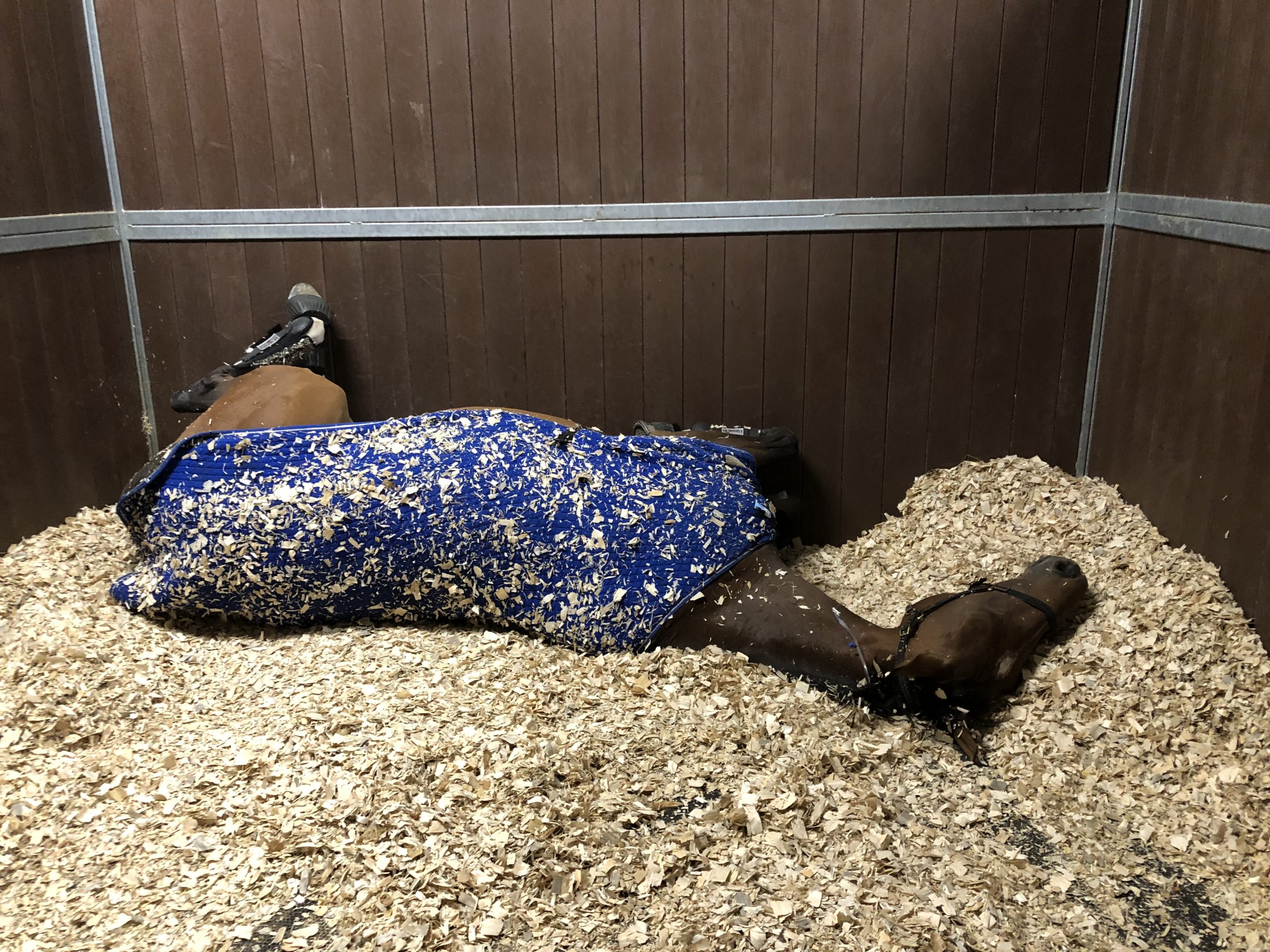
Registered Veterinary Nurses (RVNs) and student nurses play a vital role in providing your horse or pony with outstanding care at Towcester Equine Vets. Whilst they are instrumental in caring for our hospitalised patients at the clinic and assisting our vets on the road, they are also able to use their valuable knowledge of patient care to provide several veterinary services. With this being said, you may start to see them out and about on visits to your yard.
RVNs spend 3-4 years training, either whilst working as Student Veterinary Nurse (SVNs) or on a placement year from University during their degree.
Here at Towcester Equine Vets, we have a range of experienced nurses who are either fully qualified or currently studying towards their exams.
Each member plays a vital role in the care of patients both in and out of the clinic.
Under the Veterinary Surgeons Act 1966, registered nurses are permitted to carry out many roles within the clinic and out on visits such as:
- Bandage changes following injury or surgery
- Suture removal
- Post operative home care such as help with administering medication and offering help and advice with box rest.
- Taking blood samples on the request of a vet.
- Taking samples such as hair plucks and skin scrapes.
- Medication administration at the request of a vet such as intravenous antibiotics or sedation when required g. clipping, dentists, farrier, travelling.
- Taking radiographs at the request of a vet. This can be following a lameness investigation, acquiring images for the farrier for remedial shoeing or laminitis. Whilst the nurses can take the images, they are unable to make a diagnosis, a vet in charge of the case will see these later on in the day.
- Laser and shockwave therapy, which would have been recommended by the vet beforehand.
- Nursing clinics covering various areas:
- Biosecurity advice and assessments
- EMS and weight clinics
- Equipment demonstrations.
A student vet nurse would be able to do all the above in clinic under the supervision of a Veterinary Surgeon.
A Vet Technician assists a vet directly with any procedures in clinic and out on the road, they do not work independently like a RVN would.
All the nurses have different roles within the equine team, and these roles reflect their individual strengths and areas of interest:
Chloe Goddard RVN PgCertAVN (Clinical Lead) – theatre and intensive care
Georgina Moses (Logistical Lead) – managing equipment & organising the nurses’ diary. Breeding services including artificial insemination, semen collections.
Emma Chapple-Hyam RVN – lameness and poor performance exams including riding assessment if needed. Laboratory work.
Becky Price SVN – inpatient care, lameness and poor performance exams including riding assessment if needed.
Kelle King – lameness and poor performance exams including riding assessment if needed.
Charlie Coyle BSc (Hons) MSc MNAVP – Veterinary physiotherapist, especially DSP surgery and rehabilitation.
Otti Riganti – assistant to Vet Andy Hayes
It is important to note that the nurses are unable to carry out certain procedures such as:
- Appointments where a diagnosis is required
- Microchipping and passport certification
- Dentistry
- Medicating joints
- Vaccinations (due to the need to be certified by a vet)
The role of the ambulatory Equine Nurse (RVN) is very different to that of the Equine Veterinary Surgeon. Equine nurses are not able to make a diagnosis, however they are able to obtain the vital information such as samples, radiographs, and assessments that in turn provide our vets with the information that they need to support our patients as well as advising, teaching and supporting owners through their horses’ conditions.
If you would like to speak with any of our equine nurses please contact our team.
Author Emma Chapple-Hyam RVN