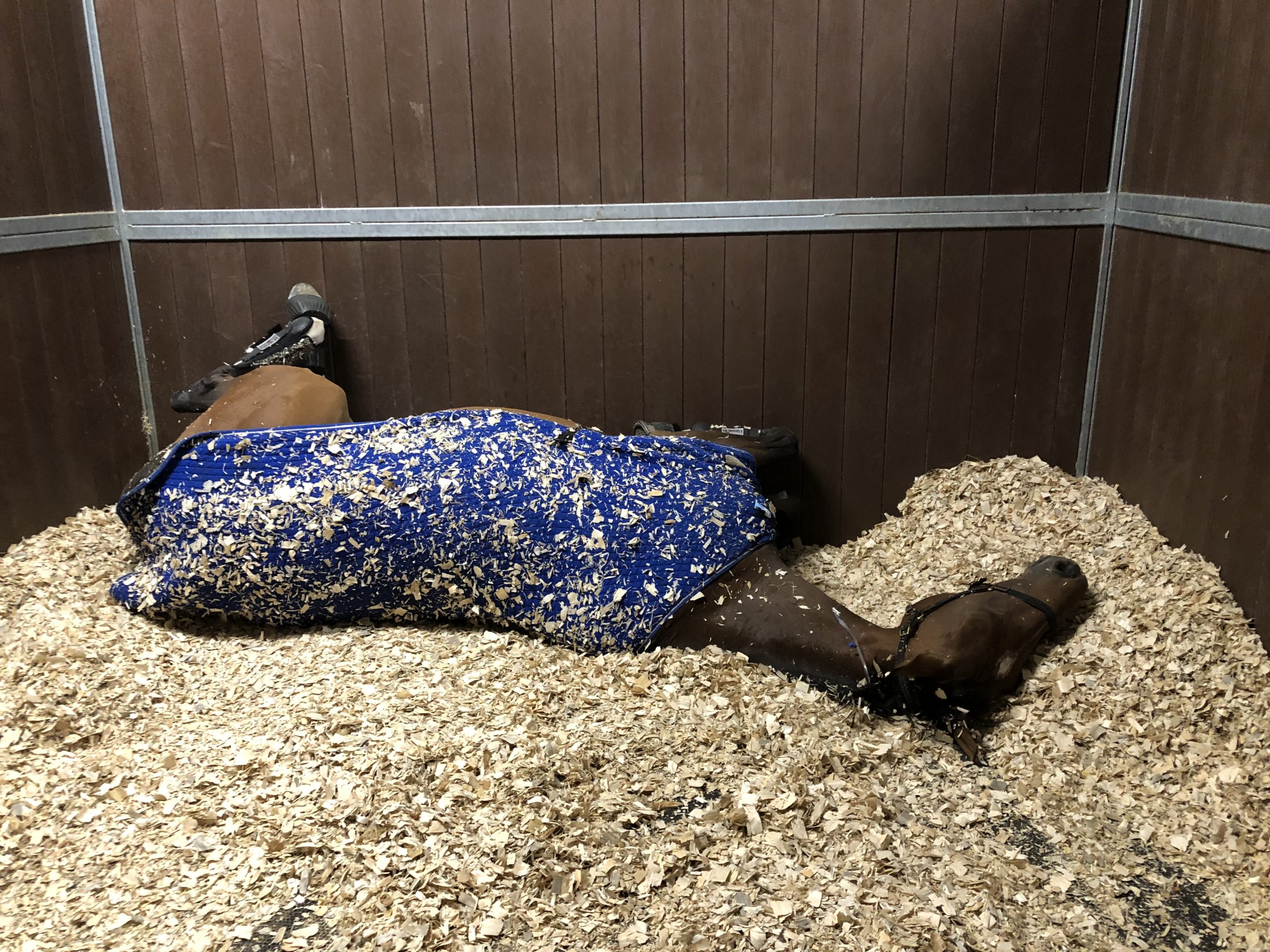
With the weather getting wetter foot abscesses are becoming more common. Knowledge of the common signs can help to catch abscesses early and treat them swiftly.
What causes foot abscesses?
Although abscess can occur year-round, changes in the weather especially in the spring and fall can increase the risk of hoof cracks or damage which allows bacteria to enter. When bacteria becomes trapped within the hoof wall, an abscess (pocket of pus or exudate) forms. The pressure build-up leads to pain and the clinical signs listed below.
What are the signs of a foot abscess?
Signs of foot abscess can vary from mild to severe but usually consist of the following:
- Lameness
- Reluctance to weight bare on the affected foot
- Swelling of limb
- Warmth to the touch of the hoof wall or limb
- Bounding digital pulses (to feel place hand over sesamoid bones at the back of the fetlock with gentle pressure)
- Discharge coming from the hoof or near coronary band
- Foul smell coming from hoof
- Object punctured in hoof such as a stone or nail can create a foot abscess so management may be necessary for and hoof penetration injuries
How are foot abscesses diagnosed?
Abscesses are diagnosed based on history and findings on clinical examination. Usually, an abscess that is near the sole can be located using hoof testers to apply pressure to areas of the hoof. Due to the high pressure within the abscess pain will be elicited when the affected area is pressed.
In some cases of chronic abscesses diagnostic imaging (x-ray) will be used to identify the abscess tract and guide drainage. Recognising signs and treating early can avoid the need for diagnostic imaging.
How are foot abscesses treated?
Foot abscess treatment can be frustrating dependent on location. If the abscess is easy to access, then the vet can open the abscess with a hoof knife to allow it to drain.
To encourage draining or help draw out an abscess, these strategies could be utilised:
- Application of a poultice pad to the foot (over the abscess location if known)
- Soak the hoof in a bucket of warm water and Epsom salt for 15-20 minutes 1-2 times daily.
Pain relief (such as phenylbutazone) may be dispensed by the vet to manage the horse’s comfort. The hoof should be kept clean and dry during treatment to prevent re-infection.
How can I reduce the risk of hoof abscesses?
Although it isn’t possible to completely prevent a foot abscess there are some strategies that can lower the risk of you horse developing a hoof abscess, these include:
- Ensure your horse’s environment is clean and dry by picking up manure and urine daily and keeping horses of very wet/muddy pasture.
- Keep your horse on a routine farrier schedule.
- Ask your farrier about your horse’s hoof health and whether it needs any additional care.
- Clean hooves out daily and check for any foreign objects. Always pick up any nails, metal, glass, or other sharp objects.
Danielle Bowles BVMedSci (Hons) BVM BVS MRCVS