Towcester Vets Shares Reunion Tales of Long-Lost Microchipped Cats
The team at Towcester Vets team know there’s nothing quite like the bond between a cat and their owner. Unfortunately, sometimes our beloved feline friends go missing, leaving a void in our hearts. However, thanks to the power of cat microchipping, many of these long-lost cats have been joyfully reunited with their humans. With the recent enforcement of the new microchipping law for cats in England, we believe it’s an ideal time to highlight the importance of microchipping and share some heartwarming stories of happy reunions.
Heartwarming reunions of long-lost cats
Towcester Vets’ team have found some incredible reunion stories of cats presumed lost forever, showing that there is always hope if your cat has been microchipped. Read on to learn about Toby, Fred, and Oscar.
Toby, missing for 11 years, returns home
After fearing Toby was gone forever in 2012, this adventurous tabby was miraculously returned home to his astonished owners 11 years later! A quick scan of Toby’s microchip by Cats Protection revealed his owner’s contact details, leading to an emotional reunion. Read Toby’s full story here.
Fred turns up 5 years later, 2 miles away
Fred’s owner was devastated when he went missing in 2019. Turns out he had been living as a stray before being taken in by a kind elderly man, who took Fred to a local vet for a checkup. The microchip scan brought unexpected joy to his owner who had given up hope of ever seeing him again. Read Fred’s full story here.
Book a cat microchipping appointment now at our vet practice in Towcester.
Oscar, lost in a snowstorm, gets a happy reunion
In the heavy snow of January 2022, Oscar took off and didn’t return home. After endless searching and social media posts, Oscar’s owner presumed him dead. Then one day, 3 years later, a vet called to say Oscar had been living in a garden just 6 miles away and had been identified by his microchip! Read Oscar’s full story here.
The importance of Cat Microchipping
These incredible stories are not just rare occurrences. Our team say they highlight the vital role that cat microchipping plays in reuniting lost cats with their owners. The new law, which came into effect on June 10th 2024, mandates that all cats in the UK over 20 weeks old must be microchipped. This regulation aims to reduce the number of lost cats and increase the chances of reunions like the ones mentioned above.
It’s not too late to microchip your cat
If you haven’t yet microchipped your cat, it’s not too late. Towcester Vets highlights some compelling reasons why you should book your cat’s microchipping appointment without delay:
- Quick Identification: A microchip is a reliable and permanent solution to ensure your cat can be identified if they ever get lost, unlike collars and tags, which can come off.
- Peace of Mind: Knowing that your cat has a microchip gives you peace of mind. Should your pet ever wander off, there’s a higher chance of them being reunited with you.
- Legal Requirement: Complying with the new law helps to avoid fines and ensures that your cat is part of a nationwide effort to improve cat safety and welfare.
The recent stories of long-lost cats being reunited with their owners underscores the immense value of microchipping. As we adjust to the new cat microchipping law, let’s take proactive steps to ensure our beloved pets are protected. Don’t delay – get your cat microchipped at Towcester Vets today.

Must-Have Pet Camera Features for Northamptonshire Pet Parents
Are you curious about what your furry friend gets up to while you’re out? Do you long to discover which pet is chewing cushions or mysteriously moving things? With the latest pet cameras, you can keep an eye on your pet’s antics and ensure they’re safe and happy. Our team at Towcester Vets have rounded up the top features to look for when choosing your perfect pet camera to make sure you and your pet stay connected, no matter where you are.
Share Your Pet Camera Tales on Facebook
7 Must-have pet camera features
To help Northamptonshire pet owners, we did our research and have come up with an overview of the top features you might want to consider when looking for a pet camera:
- Video Quality: Look for cameras with high-definition video and night vision capabilities to monitor your pet day and night.
- Two-Way Audio: This feature allows you to hear your pet and talk to them remotely, which can provide comfort and reassurance to the both of you.
- Motion Detection: Cameras with motion detection can alert you when your pet is active, allowing you to check in on them and see what they’re up to.
- App Integration: Choose cameras that offer user-friendly mobile apps for convenient remote monitoring from your smartphone or tablet.
- Pan/Tilt/Zoom Functionality: Some cameras allow you to remotely pan, tilt, and zoom the camera to get a better view of your pet and their surroundings.
- Cloud Storage or Local Storage: Consider whether you prefer cloud storage for recorded footage or local storage options like SD cards.
- Pet-Friendly Features: Some cameras offer special features tailored to pets and owners, such as treat dispensers, laser pointers for interactive play, or bark alerts.
When researching specific pet home cameras yourself, our team at Towcester Vets advise you to read reviews from other pet owners, consider your budget and specific needs, and choose a camera that best fits your requirements. Whether it’s for peace of mind, capturing adorable moments, or ensuring your pet’s safety, a good camera can make all the difference. And who knows, your furry friend might just become the star of your home videos, happy pet-watching!
Pet-cam confessions!
Share your pet camera experiences on our Facebook page!
Did a camera catch your cat napping in the laundry basket? Did it help you solve a midnight snack-stealing mystery? ️Or maybe you just want to brag about your adorable pet selfies!
We want to hear from you! Let’s help our fellow pet lovers in Northamptonshire decide if a pet camera is right for them.
- Your pet camera experience (good, bad, or hilarious!)
- How it’s helped you stay connected to your furry friend
- Any tips for choosing the right camera
Let’s get the conversation flowing!

Towcester Vets Guide to Finding Your Perfect Companion
Welcoming a new pet into your home is an exciting and rewarding experience. Whether you’re considering a dog, cat, or a smaller pet, finding the perfect companion requires careful consideration and observation. In this guide from, we’ll explore the positive traits to look for in a new pet to ensure a happy and harmonious relationship for years to come.
Our veterinary team can’t wait to meet your new bundle of joy! Register them with us and book their first appointment for unrivalled pet care from day one.
What to consider when choosing a new pet
Compatibility with your lifestyle & costs
When choosing a new pet, our vets and nurses stress the importance of compatibility with your lifestyle. Factors such as species, size, energy levels, grooming needs, and nutrition should align with your routine for a seamless fit. Remember, pets for children often become parental responsibilities. Consider all costs, including healthcare, housing, and insurance. Plus, how would a new pet fit in with any current pets? Our team are here to discuss the care needs of different pet species before you commit – reach out.
Where to get a new pet from
From dogs, cats, rabbits, small furies and even exotic pets, there’s an abundance of loveable pets just waiting to be adopted in Northamptonshire and beyond. Professional rescue centres typically conduct home checks to ensure ideal pet-owner matches. Alternatively, opt for reputable breeders showcasing both mother & offspring in a caring environment and enquire about medical history and upbringing practices. Be cautious of breeders unwilling to provide necessary information – a red flag. Buying a small furry or an exotic pet from a pet shop? Check the shop’s reputation online and look for cleanliness and good practices in-store before you buy from them.
What to lookout for in a new pet
- Confidence & Sociability: A confident and sociable pet adapts well, interacts positively, and enjoys a fulfilling life. Look for curiosity, friendliness, and ease of interaction when choosing. Temperament and behaviour issues are crucial considerations.
- Good Health & Vitality: Our vets recommend that you assess potential pets for health & vitality. Look for clear eyes, a shiny coat, and a healthy weight. Check for signs of alertness, energy, and enthusiasm. Ask about medical history and vaccinations too.
- Healthy Parents & Genetics: Consider the health and genetics of the pet’s parents, as they significantly influence the pet’s future wellbeing. Responsible breeders provide information about lineage and health screenings, ensuring a strong foundation for the pet’s health.
- Responsiveness to Training & Handling: Observe how they respond to training and handling during interactions. Look for signs of attentiveness and eagerness to learn. A pet who responds positively to training and handling is easier to bond with, teach new skills, and integrate into your life.
Finding the perfect pet requires a thoughtful assessment of various factors, so, take your time, do your research, and trust your instincts. And, we’re here to help if you’d like more advice – just get in touch!
Register and book your pet’s first appointment with us right away.
Effective Kitten Litter Training Tips from Towcester Vets
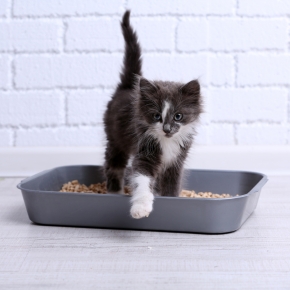
Emptying your kitten’s litter box may not be the highlight of your day, but investing time in training your kitten to use it correctly can save you a lot of hassle down the line. Our nursing team have compiled some invaluable advice on litter training your kitten effectively and instilling good habits for life. Read on for our nursing team’s expert tips:
Contact us for more kitten advice
Litter Box Choice and Care
When it comes to getting the set up right, our nursing team have this advice for new kitten owners in Northamptonshire.
First, choose a litter box that mimics a cat’s natural environment by considering factors like size, material, and accessibility. For example, selecting a larger litter box with low sides can resemble the open space that cats prefer for eliminating. Additionally, opting for unscented, clumping litter can replicate the texture and consistency of sand, which many cats prefer for covering their waste. Avoid covered litter boxes, which may make your kitten feel trapped.
Place the litter box away from food and water bowls and keep it clean. Remove soiled clumps from the litter tray at least twice a day and wash it out at least once a month. Cats are sensitive to odours, so a heavily soiled litter box may discourage your kitten from using it.
If you have more than one cat, our veterinary nurses advise that you should have one litter box per cat, plus an extra box. This means if you have two cats, they should ideally have three litter boxes, three cats should have four litter boxes, and so on. Having multiple litter boxes ensures that each cat has access to a clean and private space for elimination, which can help prevent territorial issues and encourage good litter box habits.
3 Easy-to-follow Litter Training Steps:
- Show your new kitten where their litter tray is as soon as they arrive – you may need to move this to an area your kitten feels comfortable in so keep an eye on them.
- Place your kitten in their litter box after an event i.e. after they have eaten, played and slept.
- Be persistent and patient to ensure good, lifelong habits. Litter training your kitten will not happen overnight but they will eventually learn to associate this time with going to the toilet and will take themselves to the litter box after each event.
Thanks for reading our article on litter training your kitten, we hope you found the advice from our nursing team helpful.
Help others by sharing our tips with friends and family who may be welcoming a new kitten into their home!

Towcester Vets Guide to a Safe Summer by the Sea with Your Dog
Summer is all about having fun in the sun, rolling in the sand, and splashing in the sea – especially when your furry friend is in tow! To ensure your dog stays safe at the seaside, Towcester Veterinary Centre shares top tips for a worry-free beach day below.
Brighten up our day by tagging us in your photos & videos on social media!
Towcester Vets knows that a bit of sun-smart planning can make all the difference for a safe summer with your pooch. So…
- Feeling hot? Consider leaving your furry friend to relax in a cool spot at home, especially if they are really young, old, have a very thick coat or a health condition.
- On long days out and holidays with your dog, factor in time out of the sun together or schedule beach outings during cooler times of the day i.e. early morning or late afternoon.
Ready to hit the beach? Here are some tail-wagging tips from our veterinary team;
Our Top 10 Tips
- Sun Protection & Shade: Consider lightweight, UV-protective gear and dog-safe sunscreen to prevent sunburn. Set up camp in shaded areas to shield your furry friend from the sun’s rays.
- Watch Those Waves: Assess water conditions before letting your dog take a dip. Stick to calmer waters and keep a close eye on your pup while they paddle.
- Prevent Saltwater Intake: Discourage your dog from drinking saltwater, as excessive consumption can lead to health issues. Ball games in the sea can result in dogs gulping saltwater.
- Stay Hydrated: Bring plenty of fresh water for your dog to drink and offer regular hydration breaks. A collapsible water bowl is a convenient accessory for beach outings. A top tip for spotting dehydration in dogs is to pull up a pinch of skin and let it drop. If it doesn’t go back to normal right away, your dog is likely dehydrated.
- Protect Those Paws: Sand and hot surfaces can scorch sensitive paw pads. Consider doggy booties or schedule beach visits during cooler times of the day.
- Watch Out for Hazards: Keep an eye out for sharp debris that could harm your pup’s paws. Take a stroll along the shore to ensure the area is safe before letting your dog off-leash.
- Sand Safety for Dogs: Keep an eye on your pup to ensure they’re not ingesting sand, which can lead to digestive issues or blockages – rinse off sandy paws after beach play. Sand in the eyes can cause problems too so wipe it away with a damp tissue if it’s irritating your dog.
- Know Your Dog’s Limits: Not all dogs are natural swimmers. Recognise your dog’s comfort level and never force them into water if they seem anxious or tired.
- Practice Proper Beach Etiquette: Foster a happier beach experience for all by abiding by local beach restrictions, cleaning up after your dog, and being mindful of other beachgoers and their pets.
- Rinse & Repeat: After a day of beach fun, our vets recommend rinsing off your pup with fresh water to remove salt & sand. Pay extra attention to their paws, ears, and underbelly to prevent irritation.
We advise dog owners to be aware of the signs of heatstroke in dogs which include excessive panting, drooling, restlessness, red gums/tongue, lethargy, vomiting & diarrhoea. If your dog is struggling, take them out of the heat, wet their fur with cool water, encourage drinking and get prompt vet advice.
By following these simple tips, you and your furry friend can enjoy a safe and fun-filled day at the beach. So, lather on that sunscreen, grab your beach gear, and get ready to make unforgettable memories together!

Is your Cat a Law Breaker?
From the 10th of June 2024 it becomes a legal requirement for all cats in England to have a microchip placed by the time they reach 20 weeks old. Microchipping has been compulsory for dogs since 2016. Is your pet microchipped?
What is a microchip?
A microchip is a tiny silicone device with a glass coating, approximately the size of a grain of rice. The chip contains a unique identifying number which can be read with radio waves from a microchip scanner and then can be used to access the owner’s details on a database.
Why do we recommend them?
Cats love adventures! It is amazing how far they will explore away from home, and although they will normally return home without incident sadly sometimes they get involved in accidents, get spooked by dogs or hitch lifts around the country in delivery vans! As a country of animal lovers, our hurt or lost pets are often taken to the vets where staff can scan them and identify if they have a microchip placed within minutes. Staff are then able to contact the owner and arrange reuniting them.
What happens if cats don’t have microchips?
We will always endeavour to work with the finder to locate a cat’s owner via social media, posters, door knocking, but sadly we still have a great many cats who appear very much loved that we don’t manage to reunite. Although these cats go on to find lovely second homes, we know their owners are missing them. A microchip can help prevent this heartbreak.
How is a microchip placed?
A microchip is inserted just below the skin using a needle. It is a very quick procedure and does not require a sedation or anaesthetic. It can be performed by Veterinary Surgeons or Veterinary Nurses (or other suitably trained individuals) within a standard consultation. With the distraction of a few treats many animals barely notice the procedure.
When can microchips be placed?
Kittens can have microchips placed from about 6 weeks old although many have them inserted alongside their vaccination appointments or while they are under anaesthesia for neutering. The new law means they MUST have a chip placed by 20 weeks (about 4 and a half months) old.
How long do microchips last?
The lifetime of the pet. Older style microchips would occasionally migrate under the skin to a different area of the body but that is very rare with modern microchips and they very rarely fail. We would always recommend asking the vet to scan your cat at their routine appointments to check the chip is working as it should.
Keeping details up-to-date
It is vital that the information on the microchip database is kept updated should you rehome the pet, move house or change phone number. If you aren’t sure whether your pet’s details are up-to-date please contact our team and we can check for you.
The staff at Towcester Vets will be happy to answer any questions you may have about microchips, help you update your details or make an appointment for your pet to be microchipped, please contact us if we can help.

Our six dog-friendly UK staycation hot spots
If you haven’t booked your dog-friendly UK holiday for 2024 yet, our Towcester Vets team have pulled together some fantastic destination ideas that your whole family can enjoy.
A UK staycation has many benefits including an abundance of pet-friendly accommodations, parks and days out, they’re cost-effective compared to travelling abroad and you’ll likely have easy access to veterinary care (just in case).
Although, to help you avoid an emergency vet visit when you’re on holiday, check out Towcester Vets quick guide:
How to avoid vet visits on holiday
Best UK dog-friendly holiday spots for 2024
As voted for by Towcester Vets team:
1. Dog Friendly Holidays in Bude
Bude in Cornwall is a fantastic place to take your dog on holiday. There are several Bude beaches packed with soft sand for your dog to roll about in. Summerleaze Beach and Crooklets Beach do have restrictions between May and September (10am-6pm), but that just means if you go outside of these times, you’ll have more beach space to enjoy! Bude has lots of dog-friendly restaurants and cafes, and you can take your dog into many shops. Here’s a look at more dog friendly beaches in Bude and more things to enjoy: Dog friendly Bude
2. Dog Friendly Holidays in Anglesey
Anglesey is a real treat. Situated on the tip of North Wales, you and your dog will have over 125 miles of coastal paths to explore. Set your dog’s senses alight with walks through fishing villages, woodlands, over cliff tops, and head down to the many dog-friendly beaches. Here are even more things to do in Anglesey with your dog: Dog Friendly Anglesey
Have you been to Bude or Anglesey with your dog? Share your experiences with us via our social media channels.
3. Dog Friendly Holidays in the Peak District
The Peak District has so much to offer, including over 100 dog-friendly pubs to enjoy a hearty meal and a refreshing drink in after your adventures. Visit the Peak District National Park with your dog for an excellent choice of walks such as the Monsal Trail between Chee Dale and Bakewell, and the challenging Kinder Scout, with Mermaid’s Pool and Pym’s Chair along the way. Check out these Dog-Friendly Pubs in the Peak District.
Want to know how to avoid vet visits on holiday?
4. Dog Friendly Holidays in the Brecon Beacons
The Brecon Beacons National Park might not seem like your typical summer holiday destination, but this really is a hidden gem with plenty of dog-friendly walks and attractions. Plus, it’s the perfect base to explore the Welsh countryside and places like Rhossili Bay (which dogs are allowed on all year round) on the south coast. There’s plenty of dog-friendly accommodation in the Brecon Beacons too. For something extra special, our team suggests looking at Sugar & Loaf Cottages
Have you been to the Peak District or Welsh Brecon Beacons with your dog? Share your experiences with us!
5. Dog Friendly Holidays in Northumberland
The UK’s northeast coast has it all – long stretches of golden beaches, stunning scenery, and a seemingly endless choice of unique walking trails for you all to enjoy. Northumberland’s dog-friendly beaches all year round include Alnmouth Beach, Beadnell Bay, Embleton Bay, Seahouses and Spittal Beach.
6. Dog Friendly Holidays in Galloway & Dumfries
Southern Scotland is a beautiful destination for your 2024 dog-friendly holiday. Choose from acres of forest, sandy beaches, river walks and plenty of castles to explore. Dumfries & Galloway is an ideal place to stay as it gives easy access to the surrounding areas. Read this guide on top things to do in Dog Friendly Dumfries & Galloway
Before you go, remember to download Towcester Vets quick guide:

The Crias are coming!
Cria season is fast approaching and while we hope everyone’s births are plain sailing, here are a few top tips to ensure your new arrivals remain happy and healthy. Crias should be up within 60 mins and feeding within 2-4 hours. Crias are born without any antibodies to protect them from infection and the only way to get these is to suck colostrum from their mum. The gut starts to lose its ability to absorb these antibodies after 8 hours and after 24 hours, cannot absorb any at all. It is therefore vital that crias are up and sucking as soon as possible. Crias who don’t get enough colostrum are susceptible to infection. It is always best to check if crias have had enough colostrum at around 36-48 hrs if there is a suspicion that they’ve not suckled well. If the intake is low and the farm has a plasma supply, we can give a plasma transfusion at this point, before the cria gets sick, rather than dealing with a crashing cria later on.
Plasma is part of the treatment of these animals but it is far better to give this to a stable cria to top up, rather than as part of an intensive treatment plan in a cria with septicaemia. The recovery rate in these animals, even with plasma, is low. Crias who have assisted births, are of low birth weight (less than 7kg) or are born with signs of prematurity (floppy ears or lax tendons) should be more closely monitored. Weighing crias in the first week of life is also essential, as weight loss or failure to gain weight can be the first sign of problems. These crias should also be checked so we can take action early if needed! If you need plasma for your crias, we hold a day every year in January to take blood from donor animals to produce plasma. This takes place at one of our equine sites to keep costs down. If you would like to register your interest for 2025, please call the surgery.

Haemonchus Contortus: the Barber’s Pole Worm
Over the Summer and Autumn of 2023, we saw lots of cases of Haemonchus Contortus in sheep, goats, and alpacas. Haemonchus, also known as the Barber’s pole worm, lives in the abomasum of small ruminants, feeding on blood. Each worm can ingest up to 0.05ml/day, so a sheep with 5000 worms may lose 250ml of blood daily. Each adult female worm can produce 5,000-15,000 eggs a day, so high levels of infection can occur very quickly. This leads to anaemia, weakness, collapse, and death if left untreated. In more chronic cases, fluid builds up under the jaw (‘bottle-jaw’) and animals lose condition. Diarrhoea does not normally occur. Adult animals do not develop a strong immunity, so all ages are at risk. There is also evidence that the worm is adapting to climate change to survive at a wider range of temperatures, so vigilance is required all year round.
Monitoring for Haemonchus requires three key strategies:
1.Worm Egg Counts
Regular worm egg counts should be carried out to assess worm burden. Haemonchus usually presents with exceptionally high worm egg counts.
2.Body Condition Score
Regularly body condition score or weigh animals to identify weight loss as early as possible.
3.Eye Colour
Assess the degree of anaemia by examining the colour of the eye membrane. This can be scored with the FAMACHA© system from 1 (normal pink colour) to 5 (white indicating severe anaemia). This should be routine practice in all alpacas and goats, and carried out regularly in sheep if the farm is known to be at risk.
It is essential to worm in-coming animals whilst in quarantine to prevent introducing Haemonchus to the farm. Haemonchus can be treated with most broad-spectrum wormers, as well as narrow-spectrum products containing Closantel. To discuss this further please get in contact with Towcester Farm Vets and we will be happy to chat about a control strategy for your farm.

Post movement reminder!
We are still hearing that farmers are unaware of the post movement testing required for cattle moving from higher incidence areas of England and Wales into the annual surveillance areas of the Edge Area. Cattle require testing 60-120 days after their arrival. This affects farms in Northamptonshire and Buckinghamshire but not Oxfordshire, Warwickshire, or Bedfordshire.
There is an online look up tool where you can check the CPH number of the herd and it will tell you the testing interval for that area. This can be found on the APHA website at apha.defra.gov.uk/tb-test/index.asp
Excellent information on post movement TB testing rules is also available on TB Hub.