A World of Entertainment for Your Cat at Home
Despite their reputation for napping, cats are intelligent and curious creatures that require plenty of mental and physical stimulation. Whether your cat spends much of their time indoors due to preference or necessity, and especially if you’re often away from home, there are plenty of ways to keep them entertained. Here are Towcester Vets’ top tips for a happy and enriched cat at home.
Cat behaving strangely? Book a consultation with our vets in Towcester to check for any underlying health issues.
Signs of cat boredom
According to the team at Towcester Vets, your cat may be bored if they are showing these signs:
- Excessive grooming
- Destructive behaviour
- Lethargy
- Weight gain
- Aggression
- Loss of interest in play
If you notice any of these signs of boredom in your cat, try providing them with more mental and physical stimulation. Some of these symptoms can also be linked to certain cat health problems so it’s wise to get them checked over with our vets in Towcester.
How to keep your cat entertained
Our veterinary nurses at Towcester Vets have listed below some of the best recreational activities for your cat:
DIY delights
- Toilet Rolls: These simple items can provide hours of fun for your cat.
- Rotating Toys: Keep your cat guessing with a variety of toys that you can rotate regularly.
- Cardboard Boxes: Cats love to explore new spaces, and cardboard boxes can be a great way to provide a cosy hideaway.
Furniture fun
- Cat Trees: Encourage your cat’s natural instincts with a cat tree that offers opportunities to climb, jump, and perch.
- Scratching Posts: Provide scratching posts to satisfy your cat’s natural urge to scratch and prevent them from damaging your furniture.
- Window Perches: Give your cat a safe window perch so they can watch the world go by.
Training and socialisation
- Clicker Training: Towcester Vets’ nurses share that it is possible to teach some cats simple tricks using a clicker. This can help to keep their mind sharp and strengthen your bond.
- Outdoor Adventures: If your cat is comfortable going outside, supervised walks or playtime in a secure outdoor space such as a ‘catio’ (short for cat patio) can provide valuable enrichment.
- Feline Companionship: Consider getting a second cat to provide companionship and social stimulation. Talk to our veterinary nurses about how best to facilitate a harmonious introduction of new cat BFFs.
Remember, every cat is different, so experiment with different activities to find what your cat enjoys most.
If you are concerned about your cat’s behaviour, book a health check with our vets in Towcester soon.
Tying up (Azoturia)
What is ‘tying up’?
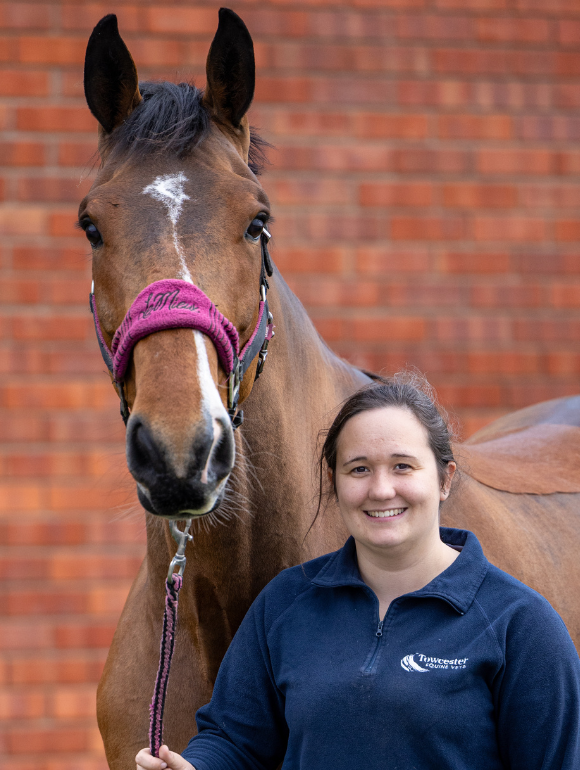
‘Tying up’ also known as Azoturia is a term for a horse suffering from muscle damage. This condition is cramping of the muscles usually in the hindlimbs or back which occurs when muscles are not properly oxygenated.
What causes ‘tying up’?
There are many causes of ‘tying up’ which vary depending on your horse’s fitness and current level of work. Causes can include:
- Increase in workload.
- Demanding exercise in an unfit horse.
- Returning to high-level work straight after 1+ days’ rest.
What are the signs of ‘tying up’?
Signs of ‘tying up’ include:
- Firm, painful muscles usually in the gluteal, hamstring or back area.
- Reluctance to move.
- Sweating
- Increased breathing (respiratory) rate.
- Colic
- Dark/orange-brown urine.
How is ‘tying up’ diagnosed?
‘Tying up’ is diagnosed based on history, clinical signs and a blood sample. Muscle enzymes and kidney parameters are checked on bloods to diagnose the disease, guide treatment options and monitor response to treatment.
How is ‘tying up’ treated?
If you are out riding when your horse ‘ties up’ then arrange for your horse to be collected on a trailer or lorry and contact the vet. Avoid moving your horse further than absolutely necessary to prevent further muscle damage.
While waiting for your vet steps you can take to help include:
- Keeping your horse stabled in a quiet environment.
- Providing plenty of water.
- If you have salt/electrolytes these can also be given in a separate bucket of water (always provide plain water at the same time).
Veterinary treatment that is provided depends on severity of disease. This will often include:
- Anti-inflammatory medication.
- Fluids either oral or intravenous.
- ACP (to calm fractious horses).
For recurrent episodes of ‘tying up’ or horses that do not respond to initial treatment further investigations may be required to check for an underlying muscle disease such as polysaccharide storage myopathy (PSSM).
How can I reduce the risk of my horse ‘tying up’?
‘Tying up’ can be prevented by:
- Feeding a high fat, low carbohydrate diet.
- Slowly re-introducing work after time off.
- Slowly increasing demand when increasing your horses’ fitness level.
- Vitamin E and selenium supplements can be useful in some horses but advice from your vet should be taken before supplementing to prevent overdosing.
Danielle Bowles BVMedSci (Hons) BVM BVS MRCVS

Fireworks Season
It’s Autumn which means fireworks are around the corner with bonfire night and New Year not far away.
Here are some top tips about how to help your horse out during the fireworks.
How do I prepare for fireworks?
The best strategy to a stress-free fireworks night is to have a plan. If you have local fireworks displays know when these are taking place. This will allow you to be prepared. If you do not know about any scheduled fireworks, then talking to neighbours or checking on social media may be a good starting point.
Check your horses’ environment is safe by removing anything (loose nails, foreign objects, temporary electric fencing) within the stable or pasture that could lead to injury should your horse get distressed. Make sure all fields are secured.
Sedatives can be given to some horses for fireworks if necessary. If this is something, you are considering then contact the vets early to ensure you have time for a visit or health check before the medication will be prescribed. Sedation needs to be given early enough to take effect prior to the fireworks (usually 45 minutes – 1hr before). Your vet can advise you about the specifics of the medication you are prescribed.
What should I do during the fireworks?
Wherever possible your horses’ routine should be kept consistent. That means if your horse is normally stabled, they should be kept in their stable and if they are normally in a paddock they should remain out with the same field/stable companions as normal. If you would like your horse stabled for fireworks but they are normally kept out this routine should be introduced over the weeks prior to expected fireworks.
If your horse is stabled these steps can help to make the environment less stressful:
- Play soothing music to mask the sound of fireworks (if they are used to radios in the stable).
- Keep stable lighting on to reduce the effect of flashing lights outside.
- Have lots of stable enrichment and food to distract your horse.
- If you are staying with your horse keep calm as your worry can make your horse more anxious.
IMPORTANT NOTE: Do NOT ride when anticipating fireworks as this could pose a risk to you and your horse.
The fireworks are over, now what?
After a firework event, check your horse over for any cuts or injuries. If you are concerned contact the vets. Make sure to check your horses’ paddock for any used fireworks.
Danielle Bowles BVMedSci (Hons) BVM BVS MRCVS

How to Find the Purrrfect Cat Toy for Your Feline Friend
Choosing the right toy for your feline friend can be a bit of a cat-and-mouse game. But fear not, Towcester Vets’ nurses are here to help you find the purrfect plaything to keep your kitty entertained and happy.
If you’d like any additional advice about caring for your cat, our veterinary nurses in Towcester would be happy to help. Contact us to book a nurse appointment with our friendly team.
How to choose your cat’s next toy
Our cat-loving veterinary nurses recommend considering the following factors when choosing cat toys:
1. Your cat’s personality
- Energetic and Playful: Look for toys that encourage active play, like chasing, pouncing, and batting. Consider interactive toys with moving parts or toys with catnip.
- Calm and Relaxed: Opt for toys that promote relaxation, such as plush toys or toys with soft textures.
- Curious and Inquisitive: Try toys that stimulate your cat’s senses, like puzzle feeders or toys with different textures and sounds.
For more ideas, our friendly team would be happy to share their cat toy experiences with you – just pop into our vet practice in Towcester for a chat.
2. Your cat’s age
- Kittens love toys that are small, lightweight, and easy to manipulate. Consider toys with bells or crinkly sounds.
- Adult cats may enjoy a variety of toys, depending on their personality. Experiment with different types of toys to see what your cat likes best.
- Older cats may prefer toys that are gentle on their joints and easy to play with. Consider toys that are low to the ground or have soft textures.
Recently got a new kitten or cat? Register them now with Towcester Vets and get top-notch care.
Different types of cat toys
- Interactive cat toys require your cat to engage their mind and body, such as puzzle feeders, teaser wands, and motorised toys.
- Soft, cuddly cat toys can provide comfort and companionship for your cat. They can also encourage your cat to use their natural hunting behaviours.
- Balls can also be a great way to encourage active play and hunting instincts.
- Laser pointers can provide endless entertainment for your cat but be sure to avoid shining the laser directly into their eyes.
Tips for cat toy rotation:
- To keep your cat interested, rotate their toys each week.
- Hide toys around the house to encourage your cat to hunt and explore.
- Wash or disinfect toys to prevent the spread of germs.
If your cat seems totally bored of their old toys, why not donate them to a local animal rescue centre near Towcester? As they say, “one cat’s rubbish is another cat’s treasure!”
We hope you enjoyed our article and feel ready to explore the wide range of cat toys available. For more advice on cat toys and cat care, Towcester Vets’ nurses are here for you.

Towcester Vets Shares Tips For Fun Heart-Healthy Dog Walks
Ever wondered why walking your dog feels so good? Well, aside from the furry cuddles and unconditional love, it turns out dog walking is a fantastic way to boost heart health and mental wellbeing for both you and your dog!
Keep reading as our team at Towcester Vets are sharing the why’s and how’s of dog walking your way to healthy hearts and happy minds.
Contact us for more heart health advice
The benefits of dog walking
Autumn is a great time to increase your dog walking efforts in Northamptonshire and further afield now that it’s not too hot. Why would you not with the below benefits for you and your pup?
Heart health benefits:
- Cardiovascular Workout: A great form of cardiovascular exercise, dog walking gets the heart pumping, improves blood circulation, and helps lower blood pressure.
- Weight Management: Doing regular walks burns calories and helps to maintain a healthy weight, reducing the risk of heart disease.
- Stress Reduction: The physical activity involved in dog walking releases endorphins in the brain. These natural mood boosters promote feelings of happiness and wellbeing, reducing levels of stress and anxiety, which is good for the heart and mind.
Many of our team at Towcester Vets are dog owners who love a good hearty walk in and around Towcester. Why not pop in and share some fun dog walking routes with each other?
Mental health benefits:
- Social Connection: Dog walking often involves interacting with other pet owners and their dogs. This can provide a sense of social connection and combat feelings of loneliness – plus your dog will probably love saying hello too!
- Nature Therapy: Spending time outdoors in nature has been shown to have a positive impact on mental health. It can reduce stress and improve mood.
- Purpose and Routine: Having a dog and walking them can provide a sense of purpose and routine, which can be beneficial for mental wellbeing. Dogs can thrive on routine too so it’s a win-win!
7 tips for a fun and healthy dog walk
Unlike their wandering feline counterparts, dogs rely on their humans to take them for walks each day. Our dog-loving team at Towcester Vets understand that at times, dog walking can feel like a chore or it can get a little boring for the both of you. But it doesn’t have to be this way.
The fantastic thing about dog walking is that you will both be benefiting with every step, and if you learn how to mix things up, you can both get the most out of every walk. Here’s how:
- Choose Suitable Routes: Consider your dog’s fitness level and any health limitations when selecting walking routes in Northamptonshire or further afield. Regularly mix up your routes to keep it fresh.
- Vary Your Pace: Alternate between brisk walks and slower-paced strolls for heart-health.
- Make it Fun: Incorporate games like fetch or hide-and-seek with a ball to keep your dog mentally stimulated and physically active.
- Add Mobility Movements: Weave your dog around trees and posts, walk them up and down curbs slowly, and practice sit-to-stands for a mobility workout. Step ups on benches and tree stumps could work for you too!
- Train on The Go: Refresh skills and learn new ones with fun command/trick training on the go.
- Take Healthy Treats: Take some cut up carrot pieces for healthy rewards, perhaps for you both? Remember to take water (and a dog bowl) too.
- Socialise Your Dog: Encourage your dog to interact with other dogs and people during your walks. Do check with owners first and avoid dogs wearing high-vis “I need space” type alerts.
So, grab your dog’s lead, lace up your walking shoes, and head out for a heart-healthy and mentally stimulating adventure with your furry friend!
If you find your dog struggling in any way, perhaps lagging behind, limping, looking anxious, or being unusually out of breath, give our team at Towcester Veterinary Centre a call on 01327 350239 to book a vet check-up.

Create a Firework Retreat for Your Pet with Towcester Vets’ Guide
Fireworks season can be a stressful time for cats and dogs. The loud noises and bright lights can cause significant anxiety. Creating a quiet, comfortable space with familiar items can provide much-needed relief from the sensory overload. Here’s Towcester Vets’ guide on how to create a safe haven for your pets, to help them feel secure and relaxed throughout Autumn’s noisy events.
Talk to our vets about the best calming products for dogs or cats and order them in time for firework season.
Create a safety den for dogs
- Quiet Location: Select a quiet area in your home away from windows and doors. A room or corner that’s less exposed to noise and light is ideal.
- Comfortable Bedding: Provide a soft, cosy bed to snuggle in and add extra comfort with their favourite blanket.
- Toys and Distractions: Place your dog’s favourite toys or chew items in the safe space. Interactive toys or puzzle feeders can also help distract them from the noise.
- Comfort Items: Include items that carry your scent, such as worn clothing, and your familiar smell can be reassuring for your dog.
To order calming products for your dog in time for firework season, call 01327 350239.
Create a cosy hideaway for cats
- Quiet Hideaway: Cats often prefer enclosed spaces so a covered bed or a box where your cat can feel secure is ideal. Ensure the hideaway is in a quiet part of the house.
- Soft Bedding: Line the hideaway with soft, comfortable bedding or a blanket. Ensure your cat is familiar with and likes their new space.
- Toys and Treats: Provide your cat with their favourite toys or treats to keep them occupied. Catnip toys or treat-dispensing toys can be particularly effective.
To order calming products for your cat in time for fireworks season, call 01327 350239.
General tips for both cats and dogs
- Introduce the Space Early: Allow your pet to explore and get comfortable with the safe space well before fireworks season begins. This will help them feel more at ease when the fireworks start.
- Stay Calm: Your pet can sense your emotions, so remaining calm and reassuring can help them feel more secure. Don’t fuss too much though as this can make them associate extra fuss with a ‘fear response’.
- Introduce Calming Products: Our vets often advise owners to use calming products such as diffusers, sprays, collars, chews, or anxiety wraps that can have a soothing effect and reduce anxiety. Call us on 01327 350239 for advice and to order them in time for firework season.
- Avoid the Outdoors: Keep your pets indoors during firework displays. Make sure all escape routes are secured to prevent them from running away in fear.
- Reduce Outdoor Sounds: Close windows and doors, and draw curtains to reduce the impact of external sounds.
- Use Background Noise: Use white noise machines, calming music, or a TV to help mask the sounds of fireworks. Choose soothing sounds that your pet may be used to.
By preparing in advance and creating a cosy safe haven for your pets during fireworks season, you can help ease their anxiety and ensure a more peaceful experience.
If you have any concerns or need additional advice, don’t hesitate to contact our team at Towcester Vets. We’re here to support you and your pets through every season.

Laparoscopic Surgery
Laparoscopy, also known as ‘keyhole ’ surgery, is an advanced surgical technique that uses a tiny camera to allow surgery to be performed via two very small surgical incisions. We are very proud to be one of a very small number of practices within Northamptonshire capable of offering laparoscopic surgery and have had brilliant outcomes with the technique since we first introduced it in 2013.
How does it work?
In traditional surgery the veterinary surgeon has to make a surgical incision big enough for their fingers/hands and surgical instruments to pass through and to allow them to visualise to whole of the body cavity. When laparoscopy is used, the abdominal cavity is first inflated with carbon dioxide to allow better visualisation and a tiny camera inserted to allow the veterinary surgeon to view the abdomen on a screen. Very narrow specialised instruments are then used in order to perform the required procedure, only requiring very small incisions, normally less than a centimetre in length.
What are the advantages of Laparoscopy?
With smaller incisions and less tissue handling laparoscopic procedures have quicker recovery times, less post-operative pain, reduced risk of blood loss and reduced risk of infection.
When is it commonly used?
We perform laparoscopic bitch spays five days a week at our Towcester, Weedon and Paulerspury clinics. The technology is also useful to locate and remove retained testicles in male dogs, visualise the abdominal organs for abnormalities and perform biopsies of the abdominal organs.
Is it always the best choice?
Laparoscopy isn’t suitable for our smallest patients, when a large mass or organ is going to be removed or for surgeries entering into one of the abdominal organs.
How much does a Laparoscopic Spay cost?
Our complete prices include the surgery, pre- and post-op care, medication to go home with, a recovery suit or elizabethan collar and one post op check up.
For dogs weighing less than 20kg the cost is £595
For dogs weighing 20 – 40kg the cost is £695
For dogs weighing more than 40kg the cost is £795
All prices include VAT!
Does the patient need to be registered with the practice already?
Laparoscopy is available to all clients! If you are registered with another practice you are welcome to self-refer your pet to our clinic. You will be provided with a summary of the procedure performed and expected recovery to provide to your usual practice. You can register online or by phoning one of our clinics
Please contact us if you have any additional questions regarding laparoscopic surgery or would like to book your pet in for a laparoscopic procedure.
Towcester: 01327 350239, Weedon: 01327 344999, Paulerspury: 01327 366307
Autumn Changes for Dogs, Cats and Rabbits in Northamptonshire
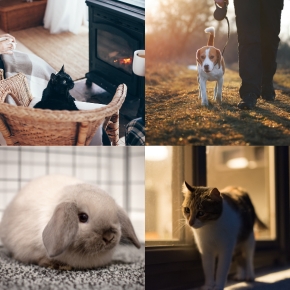
As summer fades into autumn in Northamptonshire, the team at Towcester Veterinary Centre say it’s a good idea to adjust your pet’s routine to align with the changing season. Below are some tips from our vets and nurses to help you transition your pet’s routine smoothly.
Transitioning from Summer to Autumn
Adjusting feeding times
- Monitor Daylight Hours: With shorter days, your pet’s feeding schedule may need a tweak. As it gets darker earlier in Northamptonshire, you might need to adjust meal times to align better with your and your pet’s daily routine. Feeding cats earlier can signal to them that’s it’s time to come indoors earlier, thus avoiding them being out in the dark for longer.
- Check Weight and Activity Levels: Autumn often brings cooler weather and less outdoor activity. Keep an eye on your pet’s weight and adjust their food intake if needed – they might need slightly fewer calories if they’re less active. Our veterinary nurses in Towcester can help you work out how much food to feed your pet – contact us to book a nurse appointment now.
- Switch to Seasonal Foods: Consider incorporating seasonal ingredients into your pet’s diet. Foods like pumpkin (in small doses) can be great for digestion and are often available in pet food formulas during autumn.
Modifying exercise routines
- Adapt to Cooler Weather: Autumn weather is often cooler and can be more pleasant for outdoor activities. This is a great time to increase exercise if your pet was less active during the hotter summer months in Northamptonshire.
- Adjust for Daylight: With shorter daylight hours, plan your walks and playtime during daylight to ensure safety and maximise your pet’s enjoyment. Not-too-early mornings, lunchtime slots and/or late afternoons might be ideal times for both of you.
- Watch for Seasonal Hazards: Our veterinary nurses recommend being mindful of autumn-specific hazards like fallen leaves, which can sometimes hide sharp objects or mould. Keep an eye on your pet to avoid ingestion of potentially harmful substances.
Keeping pets warm and comfortable
- Create a Cosy Space: As temperatures drop, ensure your pet has a warm and comfortable place to sleep. Consider a cosy pet bed or blanket to help them stay warm. If you can, our nurses in Towcester recommend bringing outdoor pets, such as rabbits and guinea pigs, indoors to help them stay warm and comfortable during these cooler months.
- Adjust Grooming Routines: Some pets might require more grooming in autumn due to shedding or changes in their coat. Regular brushing can help keep their coat in good condition and reduce the amount of fur they might ingest. For autumn pet grooming advice, book a nurse consult with our friendly team.
- Provide Warm Clothing: For pets with short coats or those particularly sensitive to the cold, consider getting them a pet jumper or jacket. Make sure it’s comfortable and fits properly. However, you should avoid leaving them unsupervised wearing clothing in case they get too hot or tangled up; extra blankets are best for alone time.
Additional tips
- Check for Allergies: Autumn can bring about new allergens like mould from fallen leaves and mould in the home from damp. Monitor your pet for signs of allergies such as itching or sneezing and book a vet appointment at Towcester Vets if you notice any issues.
- Hydration is Key: Although it’s cooler, your pet still needs access to fresh water at all times. Ensure they stay hydrated, especially if they’re more active. Try adding a small amount of water to your pet’s food for added hydration.
By adjusting your pet’s routine to fit the changing season, you can help ensure they stay happy, healthy, and comfortable as the weather transitions from summer to autumn in Northamptonshire.

Acupuncture
What is Acupuncture?
According to The Association of British Veterinary Acupuncturists (ABVA), acupuncture has evolved
from the ancient art of placing needles into special locations on the body to alleviate pain, improve recovery rates and increase resistance to disease.
It has been practiced by the Chinese and other Eastern cultures for thousands of years and may be used to treat a wide variety of illnesses.
What happens during treatment?
Fine needles are inserted into your pet’s body at specific points. These needles are then moved by the Vet.
Is acupuncture safe?
Acupuncture is extremely safe when practiced correctly. Under UK law, animal acupuncture can only be administered by an appropriately qualified Veterinary Surgeon. The monitoring and removal of acupuncture needles may be undertaken by a Registered Veterinary Nurse.
How many treatments will my pet need?
Most conditions can benefit from 3-5 treatments delivered at weekly intervals, with progressively wider intervals between treatments as soon as a significant improvement is noted.
How long does a typical treatment last?
Sessions typically take between 25-35 minutes from start to finish.
Pets that are aggressive or fearful can create a safety issue for the Vet administering acupuncture. It’s also not possible to sedate animals so they can receive acupuncture treatment. It is for these reasons we unfortunately have to decline administering acupuncture therapy to these pets. Our team will be happy to advise on other treatment options which are available.
What are the costs involved?
First session £80.00 (inc vat)
Follow up session £60.00 (inc vat)
A course of 4 x sessions booked in advance is £200.00 (inc vat)
How to enquire
If your pet has a condition that you believe could benefit from acupuncture, please speak to our team.
Our experienced vet Sarah Riconda performs the treatment, she is happy to discuss your pets individual requirements before booking.
We can also provide this treatment to pets registered at other vet surgeries, we’re also happy to receive external referrals from other practices.

Would Your Cat Love a Catio?
Many cat owners in and around Towcester will know how much their cats love being outdoors and lounging in sunbeams. However, not all outdoor jollies are safe for our feline friends. Busy roads, wandering at night, getting into fights, out all day while you’re at work… it can certainly be a worry. Keep reading as the veterinary nurses at Towcester Vets have the purrrfect solution…
Maybe your cat would love a catio!
What is a catio?
Not just a fancy word, a catio is a creative addition to your home that could elevate your cat’s quality of life! Towcester Vets’ veterinary nurses explain how: short for ‘cat patio’, a catio is essentially a safe, enclosed outdoor space designed for cats. It provides a secure environment where your cat can enjoy being outdoors without the risks associated with roaming freely in and around Towcester. Think of it as your cat’s personal garden – a place where they can bask in the sunshine, watch the birds, and enjoy a bit of fresh air.
Got a catio already, or just popped one in your shopping cart? Share your Catio Brags on Social!
Benefits of a catio
- Safe Outdoor Access: Cats can enjoy exploring the outdoors safely whilst avoiding traffic, other animals, and getting lost, giving them a mini adventure in your garden and you, peace of mind.
- Enrichment and Exercise: A catio provides a space for climbing, scratching, and playing, keeping cats physically active and mentally stimulated.
- Reduce Indoor Boredom: A catio offers a new environment with exciting sights and smells, breaking the monotony for indoor cats.
- Fresh Air and Sunlight: Cats enjoy fresh air and sunshine, boosting their mood and overall wellbeing in a catio.
Our vet nurses also think catios are ideal during autumn and winter when the nights get darker earlier and roaming freely in and around Towcester can be more dangerous.
Choosing the right catio
Size and Space: Towcester Vets’ nurses say it’s important to consider the space you have available and your cat’s needs. Catios vary from small window boxes to large, free-standing structures. Ensure it’s spacious enough for your cat to move around comfortably, including enrichment activities like cat trees and scratching posts, and have comfortable bedding for them to relax on. Make it fun and inviting!
Safety Features: Ensure the catio is secure, durable, well-ventilated, easy to clean, and protected from the elements (with shade) to keep your cat comfortable and safe.
Accessibility: Consider how your cat will access the catio. Some attach to windows or have their own entryways. Ensure easy access for older cats with sore joints.
Suitability: Not all cats will enjoy limited roaming. A catio doesn’t have to be their only option, but it can serve as a safe choice for outdoor time when you want them close by.
Check out these catios on Amazon!
Think your cat would love a catio? Go on, add a bit of adventure and luxury to your cat’s life with a catio, and provide a safe and stimulating outdoor experience that will help to keep them active, entertained, and happy! And remember to share your Catio Brags on social!
At Towcester Vets, we love helping cats have the most amazing lives.