Why neutering is the responsible choice for cat owners in Northamptonshire
Cat owners cherish the companionship and love their feline friends bring into their lives. However, with the joy of having a cat comes the responsibility of ensuring their wellbeing and contributing to the welfare of the feline community.
One of the most responsible choices cat owners in Northamptonshire can make is to opt for neutering their cats. In this article, the team at Towcester Veterinary Centre will explore why and how it benefits both individual cats and the larger feline population.
Cat neutering – why it’s the responsible choice
1. Preventing unplanned litters & curbing overpopulation
Perhaps the most compelling reason to neuter your cat is to prevent unplanned litters of kittens, not just for your home, but for the wider cat population. Cats are prolific breeders, and one unspayed female cat and her offspring can produce hundreds of kittens in just a few years. Overpopulation is a serious issue in the cat world and so by neutering your cat, you are actively contributing to controlling the feline population and reducing the number of homeless kittens in and around Northamptonshire.
2. Promoting health and longevity
According to our Vet, cat neutering offers several health benefits. It significantly reduces the risk of uterine infections and certain cancers in females and eliminates the risk of testicular cancer in males. Neutered cats are also generally healthier and live longer lives.
3. Behavioural improvements
Neutering can lead to positive changes in a cat’s behaviour. Male cats tend to be less aggressive and territorial, while females are less likely to yowl or exhibit restlessness during their heat cycles. Neutered cats often make for more pleasant and well-adjusted pets.
4. Reducing roaming tendencies
Unneutered male cats have a strong instinct to roam in search of mates. This behaviour puts them at risk of accidents, injuries, and encounters with other animals. Neutering can reduce this desire to roam, keeping your cat safer.
5. A more peaceful home
Unspayed female cats can exhibit vocalisations and behaviours that can be disruptive during their heat cycles. Neutering can create a more peaceful and harmonious living environment for both cats and their owners! If you have a multi-cat household, our team can advise you of more ways to keep the peace.
6. Responsible Ownership
Being a responsible pet owner means taking steps to ensure the health and wellbeing of your cat, as well as being considerate of the broader feline community. Neutering is a responsible choice that aligns with these principles.
The take-away message from our article is that neutering your cat is about more than controlling the feline population; it’s also about promoting the health, happiness, and longevity of your beloved pet. It’s a choice that reflects your commitment to responsible pet ownership and compassion for the welfare of cats in Northamptonshire and beyond. Thanks for reading!
If you found our article informative, why not share it with your cat-loving friends?

Post Movement TB testing
We are now undertaking regular post movement testing for clients after the new rules came in in August 2023. All animals moving from higher incidence areas of England and from Wales into the annual surveillance areas of the Edge Area require post movement TB testing 60-120 days after their arrival. This affects farms in Northamptonshire and Buckinghamshire but not Oxfordshire and Warwickshire. Post movement testing has been required in Bedfordshire for a few years.
It can be confusing to work out if an animal requires post movement TB testing. Generally, it affects animals coming from herds that are testing every 6 months. However, some herds in the High Risk Area (HRA) can be testing annually if they have not had a breakdown in a number of years. Animals from these herds would still require post movement testing. There is an online look up tool where you can check the CPH number of the herd and it will tell you the testing interval for that area. This can be found at on the APHA website at apha.defra.gov.uk/tb-test/index.asp. Excellent information on post movement TB testing rules is also available on the TB Hub. It is the keeper’s responsibility to organise and pay for the testing. If testing is not carried out movement restrictions will be applied to the herd until all cattle that should have been post-movement tested are tested with negative results. The test will be regarded as overdue, which may trigger reductions to any basic farm payments. APHA will be monitoring compliance and notifying anyone failing to carry out the required testing.

Fly Control Products
Following our successful talk in November on alternative fly control, we are pleased to announce we are now able to sell fly buckets and bait traps from Bestico. Fly traps are an alternative to using pour on or spot on products which can have a negative effect on the beneficial insect populations during the summer. Fly buckets are the best alternative option for herds that graze in the summer, other options using parasitic insects to control nuisance flies are available for herds that house all year. If you are interested in options for housed cattle, we would advise booking a visit with Bestico so they can assess your farm and offer a tailored plan for which type of insects would offer the best solution.
Bucket traps are best used from April/May onwards. A bait block is needed for each trap which should then be kept topped up with water to attract the flies. Most people require two blocks for the grazing season, the first should be changed after around 60 days. The bucket can be washed at the end of the season to be stored and re-used the following year. Buckets cost £17.50 and bait blocks cost £19.90 (all prices ex VAT). Once ordered, products will be available within a couple of days. There is a small shipping cost so to minimise this we will try to place multiple orders at once so please get in touch early if you would like to order.

Mastitis sampling project
APHA is undertaking a ewe mastitis bacteriology project during the 2023/2024 lambing season.
The aim of the project is to improve surveillance of the different bacteria causing mastitis in ewes and to provide antimicrobial resistance data. In addition, samples will also be used to provide surveillance for other organisms that may play a role in ewe mastitis. Anyone experiencing issues with mastitis this year should get in touch for us to arrange these subsidised samples. Each farm can submit up to three samples. Samples need to be taken in a sterile manner to ensure we get the best results, so do get in touch for us to run through the best way to do this. The project will run until May 2024.

Nematodirus battus, keep an eye on the forecast this spring…
Nematodirus is a worm that can cause sudden death and significant growth reductions in lambs. It is different to other worms because the larvae survive within the egg on the pasture, allowing infection to pass from one lamb crop to the next year’s lamb crop. This means pasture that had ewes and lambs on in the Spring last year is high risk for Nematodirus this year. Mass egg hatching is triggered by a sudden increase in temperature. If the hatch coincides with the time when lambs are starting to eat grass, lambs may suddenly start dying. Worm egg counts will not be increased because the larval worm can cause significant damage before it develops into an egg-producing adult. This means we need another way of identifying when to take action. SCOPS run a forecast which predicts when the risk of Nematodirus is increased. It is advisable to keep a close eye on the forecast for your region to decide when the risk is high. At this point you may opt to move lambs to a lower risk pasture or use a wormer if moving is not possible. White (1-BZ) drenches are normally highly effective for treating Nematodirus so should be used as the first treatment of spring.
Find the forecast here: https://www.scops.org.uk/forecasts/nematodirus-forecast/
Further Bluetongue Update
A case of the notifiable disease, Bluetongue was confirmed in a cow near Canterbury, Kent, on 11 November, following routine testing. As of 4th Feb, there have now been 83 Bluetongue cases on 44 premises in Kent and Norfolk. Most cases have been in cattle but some have been found in sheep. Until recently all animals have been humanely culled however midge activity is currently very low making the risk of onward transmission much less likely. The latest cases have therefore not been culled but placed under movement restrictions instead.
Bluetongue is a viral disease transmitted by biting midges, which affects all ruminants (e.g. sheep, cattle, goats and deer) and camelids (e.g. llama and alpaca). The current strain circulating is BTV-3 which is different to the previous strain we had in the UK. Due to this being a new strain, the vaccine we had previously will not offer cross-protection against this new BTV-3 strain. Bluetongue does not pose a threat to human health, but it remains a notifiable disease and any suspicion must be reported to APHA on 0300 020 0301.
Symptoms of BTV-3 can vary across ruminants, with sheep generally exhibiting more overt symptoms than cattle. These include in sheep; drooling, mouth lesions, high fever, lameness, oedema (swollen heads) and sudden death. Cattle are not usually as severely affected but may show similar clinical signs as well as teat, eye, coronary band and nose lesions.
The advice for farmers is to beware if buying animals in from Europe, take action to report any signs, and remain vigilant.
For more information, please visit www.gov.uk/guidance/bluetongue or call the surgery.

Emergency preparation for pet owners in Northamptonshire
Blackouts, flooding, car breakdowns, getting snowed in… now is the perfect time for pet owners to start preparing for winter emergencies.
Once the snow and ice hits Northamptonshire, it is essential that you ensure the safety and wellbeing of your pets. Take a look at the advice compiled below from Towcester Veterinary Centre’s team and share with other pet owners in Northamptonshire.
Share our advice using the social icons above!
Call us on 01327 350239 if you would like more advice on this timely topic.
5 pet essentials for emergency prep
1. Assemble an emergency kit for your pet
Our Towcester vet team recommend you prepare a pet emergency kit with enough food, water, medications and first aid supplies to last them at least three days. Pack extra blankets, towels and have a pet carrier to hand along with your pet’s vaccination records and medical history. If your pet usually wears a jumper or coat on cold walks, pack a spare set of those too as well as a collar and lead.
You should keep this emergency kit accessible at home and take it on long (and motorway) car journeys.
2. Stock up on nutrition and plan shelter
Stock up on an ample supply of your pet’s regular food and pick up some bottled water to put to one side. Also, invest in plenty of blankets and ensure your pet has a sleeping area away from cold windows. Heating pads can ensure your pet has a snuggly area to sleep (providing you have the power to heat them).
3. Refill medications and pet first aid kits
Towcester Veterinary Centre recommends stocking up on bandages and antiseptic wipes. Tweezers can also help if you need to remove splinters. If your pet is on medication, try to ensure you have a sufficient supply as you go into the colder months.
4. Plan travel safety and pet identification
Microchips are a legal requirement for dogs as is wearing an ID tag with up-to-date contact information in public spaces. Remember to have a spare lead and collar in your emergency pack in case you need to leave your home in a hurry.
Cat microchipping – book now – is now a legal requirement in England. However, Towcester Veterinary Centre highly recommends cats everywhere should be fitted with a microchip and wear a collar and ID tag with up-to-date contact information too in case you get separated.
It is also wise to ensure you have a pet harness and seat belt fitting or pet carrier in the car in case you need to travel in an emergency.
5. Ensure you have light and communication
Keeping a torch to hand and a charged mobile phone with a list of emergency contacts, including our number – 01327 350239 – is a sensible idea. You may want to look at rechargeable power packs and a phone charging kit for your car. Candles and matches can be good to have for blackouts at home too, but keep them out of your pet’s reach, ensure the room has ample ventilation, and avoid candles with essential oils that are toxic to pets.
As well as the points above, the team at Towcester Veterinary Centre highly recommends including some toys and a familiar blanket to help keep your pet occupied and comfortable should there be a winter emergency. Make sure you share our advice with other pet owners so that all pets in Northamptonshire will be happy and safe – no matter what the weather decides to do!
Share our advice using the social icons above!

Winter paw care: protect dogs in from road salt
As winter coats the roads of Northamptonshire with ice, you will often see the flashing orange lights of salt spreaders out and about to make the roads safe. You will also likely see salt being spread on pavements and car parks for the same reason, however, some of it can be difficult to spot.
While this solution is effective for human safety, it poses a hidden danger to our four-legged friends. Road salt, or rock salt, may keep roads and pavements clear and preventing slipping, but its impact on dogs can be quite hazardous.
Contact Towcester Veterinary Centre on 01327 350239 if you have any concerns about your dog’s health.
What is road salt?
Road salt is typically composed of sodium chloride, calcium chloride, or magnesium chloride. It is used to lower the freezing point of water. When sprinkled on icy roads and paths, it prevents the formation of ice and helps make surfaces safer for vehicles and walkers.
The dangers of road salt for dogs
Paw irritation & dehydration
According to our vet the most immediate risk for dogs is the irritation road salt can cause to their paws. When dogs walk on salted surfaces, their paw pads can become cracked, dry, and painful. This can lead to discomfort, limping, and difficulty walking.
Road salt is a desiccant, which means it can absorb moisture from a dog’s paws and skin. Extended contact with road salt can lead to dehydration and skin issues.
Oral ingestion
Dogs are known for their inquisitive nature and may lick or chew their paws after walking on salted surfaces. In doing so, they can ingest road salt, which is toxic to dogs when consumed in significant quantities causing:
a) Digestive issues
Ingesting road salt can lead to gastrointestinal upset in dogs. Symptoms may include vomiting, diarrhoea, drooling, and abdominal pain.
b) Salt toxicity
The most severe risk is salt toxicity, which can occur if a dog consumes a large amount of road salt. This can lead to symptoms such as excessive thirst, tremors, seizures, and, in severe cases, even death.
How to prevent road salt related issues
- Protective Paw Balm: Consider using a paw balm or wax to create a protective barrier on your dog’s paw pads before going outside.
- Booties: Dog booties provide excellent protection from road salt, keeping paws dry and safe.
- Avoid Salted Areas: Whenever possible, avoid walking your dog on salted surfaces. Choose areas with minimal salt use.
- Wipe Paws: After walks, wipe your dog’s paws with a damp cloth to remove salt and prevent ingestion.
- Indoor Rinsing: Rinse your dog’s paws with warm water when returning home to remove salt residue.
- Pet-Friendly Salt: If you need to use salt on your property, choose pet-friendly, non-toxic alternatives.
- Supervision: Always supervise your dog when they’re outside, especially around areas treated with road salt.
In conclusion, road salt is essential for human safety during winter but it poses several risks to dogs in Northamptonshire. By taking proactive measures to protect your dog’s paws and avoid salted areas, you can ensure their safety and wellbeing during the winter months. Remember that the team at Towcester Veterinary Centre recommend that a little extra care can go a long way in keeping your furry companion healthy and happy.

XL Bully Dogs
At the end of 2023 XL Bully type dogs were added to the list of banned breeds under the Dangerous Dogs Act. This does not mean that all existing XL Bully type dogs will need to be euthanised, but it does mean that there is now strict legislation involved.
Does my dog count as an XL Bully?
Unfortunately, XL Bullys have developed as a hybrid of several other breeds and so it is tricky to decide what is and what isn’t an XL Bully type. The government are making the decision based on a series of measurements and features. The list is not definitive, and many Staffordshire Bull Terriers, American Bulldogs, Mastiffs and their crosses may meet the criteria. If your dog meets the majority of the criteria they are likely to be covered by the ban unless are an ‘easily recognised Kennel Club breed’.
https://www.gov.uk/government/publications/official-definition-of-an-xl-bully-dog
If in doubt, current legal advice is currently to assume your dog is covered by the legislation and then appeal later when the appeals process is launched. If you chance it you could end up with your dog being seized and held in kennels for 6 months plus without being able to visit and the decision not to register them could be held against you in your court case.
What do I need to do?
You will not be able to sell, abandon, give away or breed an XL Bully type dog after 31st December 2023
All XL Bully types will need to have a certificate of exemption by 1st February 2024 (applied for from the government). The cost is £92.40
https://www.gov.uk/guidance/apply-for-a-certificate-of-exemption-to-keep-an-xl-bully-dog
XL Bully types must be microchipped, kept on a lead and muzzled at all times in public (including in the car)
They must be kept in an escape proof area
Dog must have liability insurance (included in most existing insurance plans or The Dogs Trust offer a policy)
XL Bully types must be neutered. If they will turn 1 before 31st January 2024 this will need to be performed by 30th June 2024. Younger dogs will have until the end of 2024
XL Bully types can not be left with someone else for more than 30 days
How can we help?
Veterinary Surgeons or Registered Veterinary Nurses do not have the authority to say whether your dog is or is not an XL Bully Type.
We can however:
- Help you understand the terminology and where to measure your dog
- Check your dog’s microchip number and that details are up-to-date
- Point you in the direction of good muzzle training (being offered for free by some trainers currently)
- Neuter your dog
- Complete proof of neutering paperwork
- Continue to provide veterinary care to your dog. XL Bully Types will always be welcome at Towcester Vets
- Direct you to further resources if you require them
We understand that this is a hugely stressful time for owners of XL Bully types or similar breed dogs.
Please contact us if we can support you at all.
Antifreeze: the killer sugary taste loved by cats
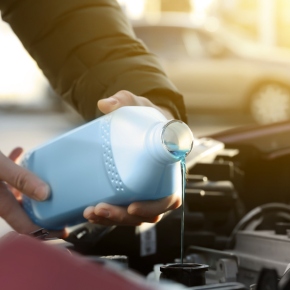
Antifreeze is something that most pet owners living in Northamptonshire will have around their house once it comes to winter. However, even the smallest amount can be highly dangerous for your cat. The primary danger comes from ethylene glycol which is toxic to cats.
This substance is highly dangerous for dogs too and can have the same affect.
If you even suspect your pet could have ingested antifreeze then contact Towcester Veterinary Centre immediately on 01327 350239.
Why cats like to lick antifreeze
The reason antifreeze is so appealing to cats (and dogs) is the sugary taste. They tend to try and lick it off the driveway and once ingested, ethylene glycol is rapidly absorbed into their bloodstream. Once your cat’s liver metabolises the toxin, the by-products produced, which include oxalate crystals and acids, cause severe damage to the kidneys and other organs. Acute kidney failure in cats due to antifreeze poisoning, can be fatal and painful – prompt treatment is best to provide your pet with the best chance of recovery.
Call our team immediately on 01327 350239.
Symptoms of antifreeze poisoning in cats
All of the symptoms of antifreeze poisoning can occur within 24 – 72 hours of ingestion. Symptoms to look for include:
- Vomiting
- Diarrhoea
- Lethargy
- Loss of coordination
- Seizures
- Signs of kidney failure including increased thirst and urination
If your cat is admitted to Towcester Veterinary Centre with suspected antifreeze poisoning, treatments can include induced vomiting, administering activated charcoal and providing intravenous fluids to support kidney function.
Protect your cat
To protect your cats (and dogs), be diligent about keeping antifreeze containers securely closed and stored out of reach. Clean up any spills immediately, and consider using antifreeze products that contain propylene glycol, which is less toxic but still not entirely safe if ingested in large quantities. Contact Towcester Veterinary Centre immediately if you are concerned about your pet or if you know they have been exposed to antifreeze.