Towcester Vets explain why Veganuary is a bad idea for cats & dogs
Veganuary is a month-long campaign that sweeps across the UK every January. It encourages people to choose plant-based food options for the month and those who take part in the challenge often do so for ethical or health reasons. However, our pets have a certain set of nutritional requirements that will not be met with a solely vegan diet.
To celebrate the International Day of Veterinary Medicine, our Vets have put together the following advice so that clients know what diet is safe for their pet, and what they should avoid this January.
Talk to our vets about pet nutrition
How to choose the right diet for your pet
Veterinarians are trained to provide guidance on proper nutrition and care for pets based on their species-specific needs. While humans can choose dietary preferences, it’s crucial to prioritise the well-being and health of our pets by providing them with diets that align with their natural biological requirements.
The protein in your pet’s diet provides them with amino acids, and these are essentially the building blocks of your pet’s body. Our experienced team at Towcester Vets can advise you on pet nutrition and the protein sources and levels you need to look out for. Each type of pet will need a slightly different diet based on their size, exercise levels, age and health condition. So, consulting with Towcester Vets is the best way to ensure your pet is receiving the protein, and in turn the amino acids, that they need.
Your dog’s nutritional needs
We want dog owners in Northampton to know that your pet can derive nutrition from a mixture of plant and animal food sources. Dogs are actually omnivorous creatures and will thrive with a healthy balance of amino acids and vitamins from both animal and plant-based foods.
However, getting this balance correct can be tricky. Inadequate nutrition will lead to health conditions that can affect your dog’s heart health, skin, coat and weaken their immune system, making them vulnerable. Animal proteins are generally a higher quality ‘complete’ protein – meaning that they contain the correct ratios of amino acids and are also immediately available to your dog once consumed. Plant protein sources can be difficult to get right as they contain other chemicals, such as tannin, which binds the protein and makes it less readily available to your dog.
Due to this, our team recommends that dogs do not take part in the Veganuary celebrations with their owners. However your vet will help you to find the correct balance for your dog between the animal and plant sourced protein they need daily.
Your cat’s nutritional needs
Cats are obligate carnivores. This means that their body is designed to thrive on a diet consisting of solely animal-based protein – the exact opposite of the Veganuary challenge. Cats need specific nutrients that are found in animal tissue and if your cat does not consume these nutrients in enough quantity, they are at risk of a number of severe health conditions.
Cats actually need 11 essential amino acids in their diet. Their body will then use these amino acids to create the other 11 non-essential amino acids their body requires at the time. These essential amino acids are: lysine, arginine, phenylalanine, histidine, isoleucine, leucine, methionine, taurine, valine, tryptophan and threonine. They are responsible for the overall health of your cat. A deficiency in any of them could result in vision impairment, heart disease, muscle growth, hormone imbalance, overall malnutrition and many more health problems.
Due to this, Towcester Vets highly recommends that you do not force your cat to take part in Veganuary as you will be putting their health at risk.
To learn more about your pet’s nutritional needs, book an appointment with our experienced vets or contact the practice for more information.

Update on Bluetongue cases in UK
Update on Bluetongue cases in UK
A case of the notifiable disease, Bluetongue was confirmed in a cow near Canterbury, Kent, on 11 November, following routine testing. A Temporary Control Zone (TCZ) was implemented within 10km of the case. Following active surveillance, in total 30 cases have been identified on 17 premises with 12 different keepers (as of 21st December). The Kent TCZ has been extended and an additional TCZ has been set up in Norfolk after cases were identified there at the beginning of December. Most cases have been in cattle but a small number of cases have been identified in sheep. All animals have been humanely culled to reduce the risk of onward transmission. Despite the number of cases, there is currently no evidence that Bluetongue virus is circulating in the midge population in the UK.
Bluetongue is a viral disease transmitted by biting midges, which affects all ruminants (e.g. sheep, cattle, goats and deer) and camelids (e.g. llama and alpaca). The current strain circulating is BTV-3 which is different to the previous strain we had in the UK.
Due to this being a new strain, the vaccine we had previously will not offer cross-protection against this new BTV-3 strain. It is therefore very important that we follow the advice to take action and prioritise good biosecurity measures. Bluetongue does not pose a threat to human health, but it remains a notifiable disease and any suspicion must be reported to APHA on 0300 020 0301.
Symptoms of BTV-3 can vary across ruminants, with sheep generally exhibiting more overt symptoms than cattle, but both can show clinical signs.
These include in sheep; drooling, mouth lesions, high fever, lameness and oedema (swollen heads) and sudden death. Cattle are not usually as severely affected but may show similar clinical signs as well as teat, eye, coronary band and nose lesions.
The advice for farmers is to beware when buying animals in, take action to report any signs, and always, remain vigilant:
- Buyer beware, only source animals from Europe responsibly.
- Take action, prioritise biosecurity and report any suspicious clinical signs.
- Vigilance is key, monitor livestock closely.
For more information, please visit www.gov.uk/guidance/bluetongue or call the surgery.
Valuable advice for cat adoption in 2024 from Towcester Vets
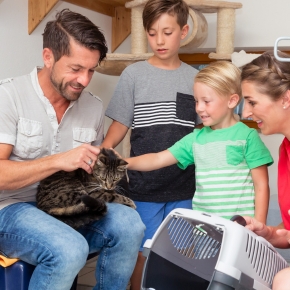
Adopting a cat from a rescue centre can be a wholesome way to introduce a new feline friend to your family. To help this process run smoothly, the team at Towcester Vets have put together advice on what you should be asking rescue centres during the adoption process.
Please remember, adopting a cat is a big responsibility that should not be taken on lightly. Towcester Vets urges owners to do plenty of research on cat care before making any big decisions.
The team are happy to answer any questions you may have about caring for a cat, just contact our team on 01327 350239.
What should I ask the rescue centre when adopting a cat?
Before heading to a rescue/rehoming centre, it’s important you sit down and gather some ideas as to what type of cat would be most suitable for your family. Research different breeds and their typical characteristics, as well as if there are any that are predisposed to certain medical conditions. Towcester Vets also recommends discussing your needs with the rescue centre staff. They know each of the cats in their care and want to ensure that they go to the correct home. Opening the discussion will help both you and the centre to match the perfect cat to your family.
1. Background information
Ask what is known about the cat’s history and how they ended up at the rescue centre. This will give you valuable insight into their past experiences and whether they could have any behavioural or medical issues. It could also identify whether the cat is used to other cats, pets, or children.
2. Assessments for health and wellbeing
One of the benefits of rehoming a cat from a rescue centre is the fact they will have a full assessment done prior to any adoption process. This assessment will cover things like their behaviour and any potential or underlying health conditions that may need treating. This information will help you and your family make an informed decision when choosing your new cat.
3. Medical conditions and preventative care
Towcester Vets wants to urge new cat owners to research the benefits of vaccinations and neutering. Most rescue centres will have policies in place to protect the animals, which typically include having them neutered and vaccinated prior to rehoming. However, by understanding why this happens, it shows that you understand the practical side of pet ownership.
4. Training
Make sure you ask the rescue centre about your chosen cat’s training. Whether they are house trained and are happy being groomed and petted will make a big difference to the start of your journey together.
5. Special considerations for your chosen cat
Does your chosen feline require a certain type of living environment? Do they seem frightened of loud noises? Are they purely a house cat or do they need to roam?
Understanding what the cat needs before you go through the adoption process will help you to understand if your feline friend is the right fit for your home and family.
When it comes to rehoming cats, our knowledgeable team of cat vets are happy to advise you about how to care for your cat once you get them home, as well as what veterinary care they will need at this stage of their life. Don’t forget to register your new cat with Towcester Vets – we can’t wait to meet them!

Towcester Vets advice on helping your dog deal with moving house
A house move is a big change for the whole family to process. The team at Towcester Vets understand that this is often a stressful and turbulent time, we urge dog owners to not forget how their pets could be coping with the upheaval.
To help dog owners in Northamptonshire with a house move, our veterinary team have put together advice on how your canine companion can learn to accept a house move. This will make the process a lot smoother for owners and their dogs. Our experienced team of vets are available to advise on an individual basis too.
Why not share this article with friends and family that might be moving house soon? Copy the URL or use the social sharing buttons in this article.
1. Keeping to your dog’s routine
Our team know that most dogs and their owner have a daily routine. This may fluctuate slightly, but on the whole, it is highly likely your dog is fed, walked, played with and cuddled at a similar time every day.
As you are moving house, it will help your dog to adjust if you stick closely to this routine. Your behaviour and feelings will also have an impact on your dog’s stress levels. Trying to remain calm will in turn help your dog to react and behave as normal.
If you have the option of introducing them to your new home beforehand, it could help them to settle in more quickly. If not, then try to take them on some new local walks to get them used to the neighbourhood.
2. Your old home
Packing your home up into cardboard boxes can often be emotional and time consuming. Especially if there is a dog ‘trying to help’!
Our vets recommend packing gradually so your dog will get used to the changes in their living environment over time. Also, keep their bedding and toys out for as long as possible. These familiar belongings will help to provide them comfort if their old home is starting to look a little different in the run up to the move.
3. Moving day
Once you arrive at the new house, you need to ensure your dog is safe and secure as your belongings are unloaded. If possible, set up a safe space in your new house immediately for your dog. Use their normal bed, blankets, toys and bowls and work on positive associations. The scents of their items will help to make them feel at ease in an unfamiliar environment. You will need to be patient with your dog during this transition period. Work on establishing their routine in the new home and stick to it as closely as possible in the beginning.
4. After you have moved in
There will undoubtedly be a lot of administration to complete once you have officially moved into your new home. On this list, make sure you include updating your pet’s microchip details and also updating your account details here at Towcester Vets.
We believe that if you follow the guidance set out in this article, you are providing your dog with the best chance to become happy and settled in their new home as quickly as possible. If your dog suffers from anxiety, or you are concerned that a house move could affect them more seriously, contact us so we can help you make a plan.

Towcester Vets explain pet diabetes this November
To help raise awareness for Pet Diabetes Month this November, our Veterinary team wants to educate pet owners on the condition. In the paragraphs below, our team will cover: the condition itself, how Towcester Vets will diagnose and treat the condition and how your pet’s care would need to be altered if they receive a diabetes diagnosis.
If you are concerned your own pet may have some symptoms of diabetes, then do not hesitate to contact our reception team on 01327 350239.
Contact us to book a diabetes check
Understanding diabetes
The most common pets we treat for diabetes are cats and dogs. To explain what pet diabetes is, it is a metabolic disorder – which is when your pet’s normal bodily chemical reactions are behaving abnormally. Insulin is created to help regulate blood sugar levels, and it is crucial in facilitating the uptake of blood sugar into your pet’s cells for energy. With diabetes, your pet’s body attacks the insulin their body has produced and without the insulin, your pet’s blood-sugar level will become too high, and their cells will starve. High levels of blood-glucose are known as hyperglycaemia. Alternatively, your pet’s body may start to produce too much insulin, causing a condition called hypoglycaemia. This is a veterinary emergency and can be fatal if left untreated.
Our veterinary team explain that there are risk factors that can predispose your pet to diabetes. These include obesity, breed, genetics and age.
Symptoms of diabetes in your pet
Our team of vets want owners to be aware that early detection of diabetes is key in providing your pet with the medical treatment they need to manage the condition. The following symptoms are all indicators that your pet may be suffering from diabetes:
- Increased thirst and urination: when your pet’s blood-glucose becomes too high, it overflows from the blood stream into their urine, often with copious amounts of water. This is why a diabetic pet will urinate and drink more.
- Weight loss: as the unused blood-sugars get lost in your pet’s urine, there is no sugar to power the cells of the body. The body will then start to break down its fat reserves, hence the weight loss.
- Increased appetite: your pet isn’t efficiently collecting the nutrients from the food they eat – they have an increased appetite as they are trying to replace the nutrients lost.
- Lethargy: if your pet is suddenly more lethargic, it could be they are suffering from hypoglycaemia – low blood-glucose levels. Contact Towcester Veterinary Centre on 01327 350239 if your pet seems, wobbly, spaced-out, or very hungry – they may need something sugary but our team will advise you what is best to give them.
- Behavioural changes: these could be an indicator that your pet has an underlying health condition, such as diabetes, that needs veterinary attention.
Contact our team to discuss the above symptoms and to book your pet in for a diabetes check.
Diagnosis & treatments available for pet diabetes
The first step to diagnosing diabetes in your pet is to perform a blood test. The vets at any of our surgeries will extract a small vial of blood from your pet and will test their blood-glucose levels. They will also do the same to a urine sample. If you are booking an appointment to test whether your dog has diabetes, it could be useful to collect a fresh urine sample before coming to your pet’s appointment. Chat to our reception team on 01327 350239 for more information.
Following the tests, your vet will then create a management plan, involving insulin injections to be given at home, controlled exercise, and a controlled feeding schedule.
Help your pet live with diabetes
Diet
Your pet’s nutrition plays a big part in helping them to cope with diabetes. Our vets at Towcester Veterinary Centre will always recommend a type and brand of food that will work best for your individual pet. However, if your pet is a fussy eater then make sure you chat to any of our vets before moving them onto a different kind of food. Looking for foods that slowly release sugars and removing all treats from their diet will help to keep their blood-glucose levels consistent.
Exercise
Regular exercise is essential when it comes to managing diabetic pets. It helps to prevent weight gain and also helps your pet’s glucose regulation. Our vets will recommend an exercise regime to follow daily to help keep them healthy.
Monitoring blood-glucose levels
If your pet is diagnosed with diabetes, our vets will train you on how to monitor your pet’s blood-glucose levels at home using a glucometer. This will help you to identify any deviations from your pet’s normal blood-glucose levels and intervene early.
Routines are key!
The team at Towcester Vets wish owners to understand that if your dog receives a diabetic diagnosis, then routine is key to keeping them as healthy as possible. Your feeding and walking schedule will need to happen at certain times of the day, as well as monitoring them and medication administration. Creating a stress-free environment with constant access to plenty of fresh water will also help their overall wellbeing to thrive.
As part of Pet Diabetes Month in November we hope our advice will help owners with undiagnosed diabetic pets to receive the diagnosis and treatment they need. Remember, early intervention is key in your pet living a happy and comfortable life.
Liver Fluke
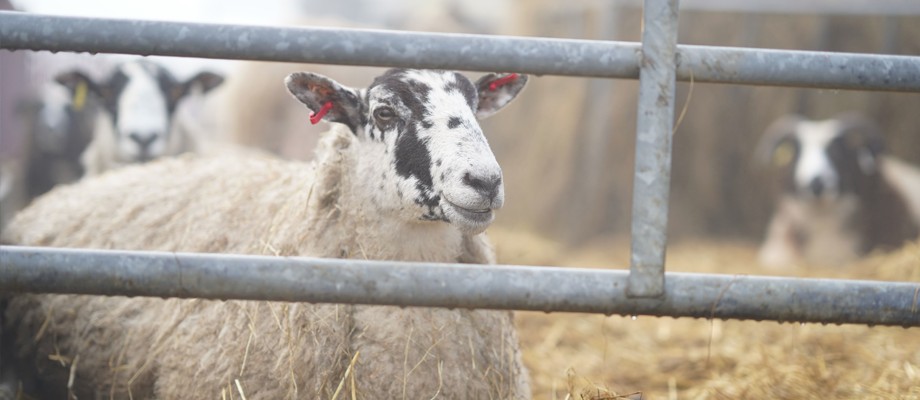
Liver fluke has a significant impact on beef, sheep and dairy sectors. The threat of resistance to some of the available products has started to loom large and a whole farm approach is necessary to avoid parasite challenge and make correct treatment decisions rather than dosing routinely and potentially unnecessarily.
Routine fluke treatment is not only an unnecessary expense but also a waste of flukicide which has impacts on the development of resistance and the environment. The fluke situation will be different on each individual farm and vary from year-to-year dependant on the grazing conditions and weather. Fluke can be identified as a potential risk via post mortem of fallen stock, abattoir feedback or blood testing of first season grazing stock to check exposure. At the start of the grazing season a pooled faecal egg count test is a practical way to assess the presence of fluke carried over winter from the previous grazing season. If infection is identified a product targeted at just adult fluke can be used. Into the autumn/winter treatment should still only be targeted in response to exposure/active infection diagnosed by faecal coproantigen testing or blood tests – if these show early exposure a product that targets early immature fluke would be indicated.

New Medicine Requirements
Due to new medicine regulations coming into force this summer 2023, as part of Red Tractor reviews and veterinary visits we will be agreeing a list of drugs used on farm and what they are used for. This will enable us to continue to prescribe without visiting the farm every time. We will also require anyone requesting drugs to let us know of their intended use to ensure medicines are being used appropriately.
Please be aware that this may now mean certain drugs cannot be given out routinely. The classification of Pen and Strep has now changed making this unsuitable as a first line drug on farm. We are also required to use licensed products first unless there is a clinical need. Ultrapen is not licensed for use in sheep so this may change how and when we prescribe this. If you would like to discuss alternatives, please do give us a call.
We are legally not able to give out antibiotics if animals have not been seen recently or a visit is not scheduled. Please do respect our reception staff if they inform you of this as they will be able to advise on the best way to proceed.

Vet Visit Documentation (reminder)
Changes to EU Animal Health Regulations mean that from 13 December 2023 UK producers sending animals to slaughter directly or via marker must be able to demonstrate that a veterinary visit has taken place in the past 12 months. Previously farmers could self-declare. This is an EU requirement and as at least some portion of most carcases is exported it means that most farm businesses will need to ensure compliance. Farms that are Red Tractor assured or when a visit has taken place as part of the Animal Health and Welfare Pathway for England do not need to complete the declaration however non-assured farms will need to ensure that a declaration has been signed. Declarations will be valid for a year after the date of the visit and will need to be renewed annually.
For cattle units, this visit will be covered by annual TB tests unless the farm is in a 4 year testing area. For cattle units with other enterprises, we will be asking to see the rest of the livestock at the TB test to ensure the declaration can be signed for all species. For sheep and commercial pigs and goats, it is likely that a visit will need to be arranged for us to complete this document. This visit will also cover the requirements for a medicine check. Please be aware that all sites registered under the CPH number will need to be assessed.
Please be aware the you will need a completed declaration in time for 13th December 2023 so if we are unlikely to be on the farm before this time and have not been out recently, please contact the surgery to arrange a visit.

5 common canine conditions we treat in winter at Towcester Vets
Our veterinary team at Towcester Vets will often see recurring cases of a handful of winter dog health conditions, once the temperature starts to drop in Northamptonshire. To educate owners and help them spot the symptoms of these winter health conditions in their dogs, our team have listed the five most common ailments we treat and how best to avoid them.
Share this article with other dog owners and download our Winter Warmer Guide for Dogs – a useful reference to keep on your phone this winter.
Download our Winter Warmer Guide for Dogs
Five common health conditions we treat in winter
1. Respiratory infections
Over winter, many dogs in the UK will be spending more time in indoor locations due to the uncertain weather. This increase of indoor time and proximity to other dogs can lead to a spread of respiratory infections. Typical symptoms to look out for include sneezing, coughing and laboured breathing. The team at Towcester Vets wants owners to know that respiratory infections will often require a course of antibiotic treatment and other supportive management to resolve the infection.
Kennel Cough (Canine infectious respiratory disease) is one of the most common types of respiratory infections that affects all breeds and all ages, but can be particularly nasty for young, old, and unwell dogs. Kennel cough can be picked up anywhere that is frequented by other dogs, not just in kennels, and the best form of protection is an annual kennel cough vaccination.
Contact us to book a kennel cough vaccination at our Paulerspury or Weedon surgery.
2. Salt and chemical exposure
When the temperature drops enough for it to become icy, it is important owners understand that exposure to the salt or antifreeze used to melt both ice and snow can be toxic to dogs.
At Towcester Vets we often see cases where a dog has walked on a path which has been thawed using salt. They will then lick their paws, ingesting the salt and can become very sick. Look out for vomiting, diarrhoea and skin irritation and get into the habit of washing your dog’s paws and tummy with warm water following a walk. Also, maybe try to stick with the old-fashioned ice scraping method when it comes to defrosting your car as antifreeze is extremely poisonous for dogs (and cats).
3. Hypothermia
Many dog breeds have adapted to winter weather. For example, winter in Northamptonshire is usually child’s play for huskies and Alaskan malamutes. But the finer breeds, and those bred typically for hotter climates, will struggle in the colder temperatures. Hypothermia often occurs in dogs when their fur becomes wet, or they are exposed to cold temperatures for a long period of time. Symptoms of hypothermia in dogs include shivering, lethargy, and difficulty walking.
Hypothermia is extremely dangerous for dogs; if it isn’t treated promptly, it can cause the whole body to shut down, which is life-threatening.
If you notice any of the symptoms above, bring your dog inside and wrap them in a blanket – dry them first if they are wet. Contact us on 01327 350239 and then start to warm your dog up slowly, perhaps near a fire or using a heating pad. Our experienced team of vets will be able to triage whilst a plan is put in place.
Get our Winter Warmer Guide for Dogs
4. Frostbite
Frostbite occurs on dogs when they are exposed to cold temperatures for too long and the skin and tissue layers underneath can freeze. This is particularly common during winter in dogs with thin fur and exposed skin; symptoms include swelling and discolouration of the skin. Areas to monitor are the tips of the ears, tip of the tail and their paws. Our veterinary team will treat frostbite by slowly warming the affected area but care must be taken to not further damage the tissue.
If you suspect your dog may have frostbite, contact us straight away on 01327 350239.
5. Foreign body ingestion and toxicity
With winter comes the Christmas and New Year festivities. This is a common time for alcohol and chocolate to be readily available in homes but urges owners to keep this out of reach of dogs (and other pets). Both chocolate and alcohol are toxic to dogs and cause severe poisoning. Look out for symptoms such as vomiting, diarrhoea, increased thirst, panting, restlessness, excessive urination, and a very high heart rate. Contact us immediately if you suspect your dog has ingested a toxic substance.
Christmas decorations can also be tempting for dogs to play with, often accidentally swallowing them. This may lead to emergency surgery so take extra care to only use appropriate decorations and monitor your dog to keep them safe.
Pre-winter health check
We recommend booking your dog in with our team for a thorough health check ahead of the colder weather so we can rule out any new underlying health conditions that could become painful for your pet.
The cold can often exacerbate a dog’s suffering caused by arthritis and joint pain. This will make exercising uncomfortable for your dog. Icy paths and muddy/snowy walks can be difficult for any dog to navigate, especially if they are struggling with a joint condition, and can result in injuries. The temperature can also increase viral infections so it’s worth ensuring your dog is up to date with their booster vaccinations – book now.
This pre-winter health check can help to ensure your pet is going into the cold festive season fighting fit and may help to identify health conditions that need treatment sooner rather than later. Contact us on 01327 350239 to book a health check for your dog, or book online, and don’t forget to download our helpful guide below.
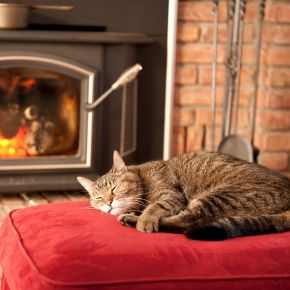
A guide from Towcester Vets on your cat’s happiness this winter
Keeping our feline friends happy this winter can seem a little tricky. Our experienced team at Towcester Vets have pulled together the best advice on all the things your cat needs to be happy in the colder months – keep reading below.
Towcester Vets also have a bonus ‘Festive Happy Cat Guide’ for you to download! As well as winter weather related issues that can affect your cat’s mood, Christmas can be a time of hazards and stress for them too.
Take a look at this guide below:
How to keep your cat happy and safe at Christmas time
Top tips for keeping your cat happy this winter
The team wants owners to know that their cat’s behaviour may be affected once the weather starts to get colder. This often comes hand-in-hand with changes in routine which can leave your cat feeling a little down in the dumps. The 3 main aspects to provide are warmth, stimulation, and comfort. The clinical team at Towcester Vets have collated their advice below – contact us on 01327 350239 if you would like to discuss your cat’s health and behaviour with us.
Ask us advice or book an appointment for your cat.
Providing warmth
Indoor temperature
Keep your house at a comfortable temperature and use a safe method of heating if leaving your cat unattended. Open fires and gas fires can be very dangerous for pets home alone.
Sunlight exposure
Letting in sunlight through the windows will improve your cat’s mood! Catharina often hears stories of how the windowsills of your home are your cat’s favourite napping spots!
Avoid cold draughts
If your cat has a resting spot, make sure they’re away from draughty areas. If there is a cold draught, try investing in a draught excluder or seal for your door/window to keep the heat in.
Providing stimulation
Indoor playtime
Invest in some toys for your cat that mimic prey movement to keep their brain active. Catharina emphasises the importance of making sure you put aside time to play with your cat this winter.
Engage their senses
Puzzle toys, scratching posts, and interactive feeders will help to keep your cat entertained.
Regular grooming
Making time to groom your cat over winter can help them feel pampered and act as a distraction to spending more time indoors. It also allows you to remove excess fur and debris to prevent matting and keep them happy.
Provide climbing spaces
Cats often defy gravity when it comes to climbing, so indoors it shouldn’t be any different! Catharina recommends installing high-up shelves near windows so they can watch the world go by from above!
Toy rotation
Rotating their toys will help to prevent boredom this winter.
Providing comfort
Cosy sleeping spots
In your cat’s usual sleeping spot, when temperatures drop think about adding in a soft blanket and maybe a heat pad. This will keep them toasty and happy.
Maintain litter box hygiene
You may need to increase your litter box cleaning routine if your cat is spending more time indoors. Make it clean and comfortable for them to help keep them healthy.
Ensure your feline friend always has access to fresh water and monitoring their food intake over winter – you can ask our team about seasonal changes to nutrition needs for cats.
Plus, regular vet check-ups throughout the year will help to make sure they are not developing any underlying health conditions that could be more prevalent in the colder months.
Share these top tips with other cat owners in Northamptonshire and don’t forget to download our Festive Happy Cat Guide too!