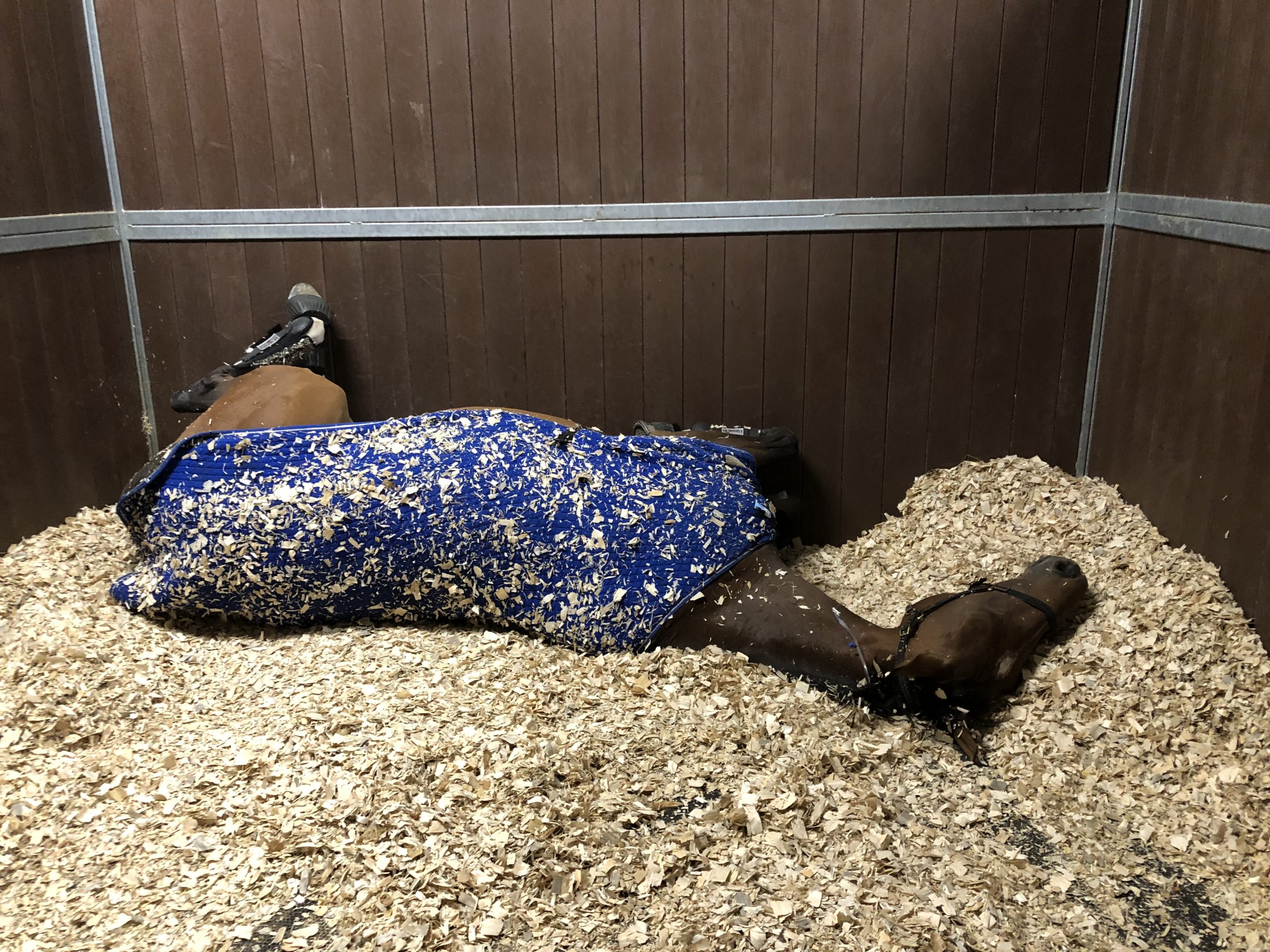
Towcester Vets shares a simple home check for overweight rabbits
Just like in humans, an unhealthy weight and body composition in rabbits can lead to range of health problems. Our team of vets share a simple test you can do at home to check whether your rabbit could be carrying more body fat than is healthy.
Book a rabbit weight review with a nurse
Why excess body fat is a problem for rabbits
Towcester Vets nursing team explain why it’s important to make sure your rabbit isn’t carrying too much body fat as this can cause health problems, such as:
- Behavioural changes
- Dental issues
- Digestive disorders
- Heart & respiratory issues
- Heat stress in hot weather
- Increased risk of flystrike (from not being able to reach their bottom to clean it)
- Lethargy
- Mobility issues, joint strain and arthritis
- Reduced quality of life and a decreased lifespan
- Reproductive complications
- Skin conditions
- Splayed legs
- Urinary problems
Try this simple test on your rabbit
You could try the below if your rabbit is happy for you to do it:
- Spine: Run your fingers lightly along the spine; if it feels softly rounded, that’s ideal. If the bones are too prominent or sharp, your rabbit could be under-weight. If the spine is difficult to feel, there is probably too much body fat.
- Ribs: Feel along your rabbit’s sides with both hands; being able to feel their ribs under a slight layer of fat is ideal. If the ribs are difficult to feel, your rabbit may be overweight.
- From Above: A pear-shaped body with a slimmer waist and shoulders is ideal. A rectangular or boxy shape suggests excess fat.
- From The Side: A gentle upward curve towards the chest and shoulders is ideal. A straight line from the belly to the chest indicates excess fat.
If you think your rabbit could be carrying too much body fat, book a weight review with Towcester Vets nursing team soon.
How Towcester Vets nurses can help
Our veterinary team are highly experienced in caring for rabbits and helping owners manage their pet’s weight. Our nurses will first confirm if your rabbit is overweight and what their ideal weight and body composition should be. Then, from tailored diet and exercise plans to regular weigh-ins and support, you can count on our veterinary nurses to help you help your rabbit reach new goals.
By addressing these issues sooner rather than later, you can help prevent and manage obesity in your rabbit, and promote better health and longevity.

Towcester Vets talk trauma, poisoning and more cat emergencies
As the weather warms up this spring in Northamptonshire, pet owners will want to be aware of potential emergencies that can arise for their beloved feline companions. Cats can be curious creatures, and sometimes their adventures can lead to unforeseen accidents or health issues. In this article, our team at Towcester Vets highlight some common cat emergencies to watch out for this month and what you should do if you encounter them.
Call us on 01327 350239 in an emergency.
See all our contact information
Five common cat emergencies
1. Traumatic Injuries
With the arrival of spring, some cats may spend more time exploring the great outdoors. Unfortunately, this can increase their risk of traumatic injuries, such as being hit by a car, falling from heights, or getting into fights with other animals. Signs of trauma in cats can include limping, difficulty breathing, bleeding, or visible wounds.
2. Poisoning
Springtime brings with it a variety of new plants and flowers blooming in gardens and parks. Some of these plants may be toxic to cats if ingested, including tulips, daffodils, lilies and crocus. Common signs of plant poisoning in cats include vomiting, diarrhoea, lethargy, drooling, and seizures.
3. Heatstroke
As temperatures rise, cats can be susceptible to heatstroke, especially if they are left in hot cars, are shut inside hot rooms, porches and conservatories, or get trapped in greenhouses without access to shade and water. Signs of heatstroke in cats include excessive panting, drooling, lethargy, vomiting, and collapse. If you suspect your cat is suffering from heatstroke, move them to a cool, shaded area, offer water to drink, and contact your nearest clinic immediately.
4. Urinary Blockages
Male cats, in particular, are prone to developing urinary blockages, especially if they have underlying urinary tract issues such as bladder stones or urinary tract infections. Signs of a urinary blockage in cats include straining to urinate, frequent trips to the litter box with little or no urine produced, vocalising while urinating, and signs of discomfort. A urinary blockage is a medical emergency that requires immediate veterinary attention to prevent serious complications.
5. Respiratory Distress
Cats can develop respiratory issues due to allergies, infections, or underlying health conditions such as asthma. Signs of respiratory distress in cats include laboured breathing, wheezing, coughing, nasal discharge, and blue-tinged gums or tongue. If your cat is having difficulty breathing, call us immediately.
Call Towcester Vets in an emergency
In any emergency situation involving your cat, it’s crucial to act quickly and seek veterinary attention ASAP. Our experienced team at Towcester Vets are here to help. If you encounter any of the emergencies mentioned above or have concerns about your cat’s health, don’t hesitate to call us immediately on 01327 350239.
We’re available to provide emergency care and support for you and your feline companion, ensuring they receive the timely treatment they need to stay happy and healthy. Your cat’s wellbeing is our top priority.

Towcester Vets answer FAQs on ticks and the health threat to dogs and humans
It’s that time of year again, when spring sunshine and warmer temperatures mean ticks become more of a problem. Whether you’re out and about in Northamptonshire or taking your dog on trips further afield, now is the time to be vigilant. Take a look at our article below in which our veterinary team answers some commonly asked questions about ticks and the danger they pose to dogs and humans.
Guide to removing a tick safely
Towcester Vets Tick FAQs
What are ticks?
Ticks are tiny arachnids that feed on the blood of mammals, including our beloved canine companions. While they may be small in size, ticks can pose significant health risks to dogs and their owners.
Why are ticks on dogs such a problem?
Our highly experienced Veterinary Surgeons explain that ticks are more than just a nuisance – they’re vectors for a variety of diseases that can affect both dogs and humans. When a tick attaches to a dog and feeds on their blood, it can transmit pathogens such as bacteria, viruses, and parasites. Some of the most common tick-borne diseases in dogs include Lyme disease, babesiosis, and anaplasmosis. Dogs travelling abroad may also be at risk of contracting ehrlichiosis from ticks, a bacterial infection that affects the white blood cells. It is rare in the UK, but could be transmitted by ticks if your dog is travelling to Europe, the USA and Africa.
Ticks are also highly adaptable creatures, capable of thriving in a wide range of environments, from wooded areas to urban parks. This makes it challenging to avoid exposure to ticks, especially for dogs who enjoy spending time outdoors. Additionally, ticks can be difficult to detect, as they often attach themselves to areas of the dog’s body that are hard to see, such as between the toes, inside the ears, or under the tail.
What are the health implications of tick infestations?
Our vets want dog owners to be aware that tick infestations can have serious health implications for dogs. In addition to transmitting diseases, ticks can cause local irritation and inflammation at the site of attachment. Some dogs may develop allergic reactions to tick saliva, leading to symptoms such as itching, redness, and swelling.
If left untreated, tick-borne diseases can cause a range of symptoms in dogs, including fever, lethargy, lameness, joint pain, and organ damage. In severe cases, untreated tick-borne diseases can be fatal. Moreover, certain tick-borne pathogens, such as those that cause Lyme disease, can also affect humans, posing a risk to pet owners and their families.
Ask our team to explain the specific symptoms of Lyme disease, babesiosis, anaplasmosis, and also ehrlichiosis if you’re taking your dog abroad.
Can you prevent dogs getting ticks?
Fortunately, there are several steps you can take to protect your dog from ticks and the diseases they carry:
- Use tick preventatives: Our vets can advise you about the best tick prevention products for your dog’s individual needs. There are many safe and effective options available, including topical treatments, oral medications, and tick collars.
- Perform regular tick checks: After spending time outdoors, it is wise to thoroughly check your dog for ticks, paying close attention to areas where ticks are likely to hide such as between the toes, inside the ears, or under the tail. If you find a tick, it’s essential to remove it promptly and safely to reduce the risk of disease transmission – download our guide on removing a tick safely here.
- Avoid tick-infested areas: When possible, avoid areas where ticks are typically prevalent, such as tall grass, wooded areas, and brushy vegetation. Stick to well-maintained trails and keep your dog on a lead to minimise exposure to ticks.
- Maintain a clean environment: Keep your garden free from tall grass, leaf litter, and other debris where ticks may thrive. Regularly mow the lawn, trim vegetation, and remove potential tick habitats to reduce the risk of infestation.
Download our guide on removing a tick safely
If you find a tick on your dog, it’s crucial to remove it properly to minimise the risk of infection. Download our guide on removing a tick safely for step-by-step instructions and helpful tips. With our guide, you’ll have the knowledge and confidence to handle tick removal quickly and effectively, helping to protect your dog’s health and wellbeing. We’re here to help if you have any difficulties with this – call us on 01327 350239.
Get our guide to removing a tick safely
By taking proactive measures to prevent tick infestations and promptly remove any ticks that may attach to your dog, you can help keep your furry friend safe from the dangers of tick-borne diseases. If you have any concerns about ticks or tick prevention, don’t hesitate to get in touch with our helpful team at Towcester Veterinary Centre.
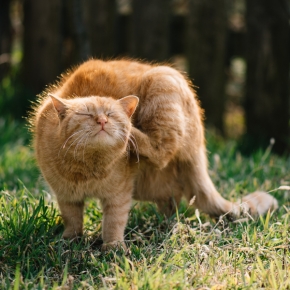
Towcester Vets share common signs of cat fleas
When it comes to our pet’s wellbeing, as owners we always want the best for our feline friends and that includes the best protection against fleas. These tiny parasites can quickly become a nuisance for both cats and their human companions and they can be a nightmare to get rid of in your home.
Towcester Vets have put together this article to help you spot the common signs of cat fleas so that you can act quickly and minimise the level of harm they can cause.
Get in touch to order your cat’s flea treatment
Common indicators of cat fleas:
- Increased grooming & scratching: Our veterinary team at Towcester wish to emphasise the importance of paying close attention to your cat’s behaviour as one of the ways they communicate discomfort is through excessive scratching, biting, or licking of their delicate skin. Should you notice your cat engaging in frequent grooming sessions or showing signs of distress by scratching at specific areas of their body, especially around their neck, head, or the base of their tail, this may indicate the unwelcome presence of fleas.
- Irritated and red skin: Flea bites can cause irritation and sometimes an allergic reactions in cats. If you notice redness and inflammation of your cat’s skin, and perhaps hair loss (in severe cases), we advise that you should consider fleas as a potential cause.
- Restlessness and irritability: Felines experiencing a flea infestation might display signs of restlessness, irritability, or discomfort, particularly when the infestation is severe. They may exhibit heightened agitation and struggle to find their usual calm, making it challenging for them to relax or enjoy restful sleep.
- You can see fleas or flea dirt: Fleas are tiny, dark brown, fast-moving insects that can be challenging to spot, especially if your cat has dense fur. However, if you part your cat’s fur in several places, you may be able to see them crawling close to the skin. You may also notice small dark specks, known as flea dirt, on your cat’s fur or bedding. Not the nicest description we know, but flea dirt is actually flea faeces composed of digested blood and is a telltale sign of flea infestation. Talk to our cat-loving team at Towcester Veterinary Centre about the best cat flea comb to help you with this task.
- Tapeworms are present: Worringly, fleas can transmit tapeworm eggs to cats, leading to the development of tapeworm infections. If you notice small, rice-like segments around your cat’s bottom or in their faeces, it could indicate a tapeworm infestation secondary to flea exposure.
Order flea treatment from us
Towcester Vets advise that if you suspect your cat has fleas, swift action is important to alleviate their discomfort. Order vet recommended prescription-only flea treatment from us to effectively eliminate fleas from your cat’s environment and thwart future infestations. We offer a variety of safe and effective flea control products designed specifically for cats.
Our team can provide personalised recommendations for flea treatment based on your cat’s individual needs and lifestyle.
Don’t let fleas disrupt your cat’s comfort and wellbeing. Order flea treatment from us today and take the first step towards a happier, healthier life for your feline companion. If you have any questions or concerns about fleas or flea control, don’t hesitate to talk to us. We’re here to help you keep your cat flea-free and thriving.

Before spring cleaning read our advice on seasonal dog allergies
Anyone who suffers from hay fever will know that spring and summer can be a miserable time. Did you know that dogs can get hay fever too? It’s true. But, did you also know that the symptoms of hay fever in dogs are very similar to the symptoms of dust allergies in dogs?
With many UK residents preparing for a big spring clean of their home, our veterinary team wants dog owners to know the symptoms of these two allergies to look out for.
Get our Spring Cleaning Tips for Pets with Allergies
Could my dog have hay fever
Hay fever, also known as allergic rhinitis, refers to allergic reactions to pollen from trees, grasses, weeds, or other plants. It can be more common in certain geographical areas and dependant on your dog’s local environment. Book a dog check-up if you are concerned.
Symptoms of hay fever in dogs may include:
- Itching around their face, ears, paws, and belly – they may scratch, rub their face against furniture or the ground, or lick excessively.
- Sneezing repeatedly in response to pollen exposure.
- Runny or congested nose, leading to nasal discharge.
- A dry or moist cough
- Watery or teary eyes which can appear red or inflamed.
- Skin irritations manifesting as redness, rash, hives, or hot spots.
Could my dog have a dust allergy
Dust allergies are relatively common in dogs too. Dust mites, along with other particles found in household dust, can trigger allergic reactions in dogs, leading to a condition known as atopic dermatitis or environmental allergies. Dogs may inhale or come into contact with dust particles, leading to skin irritation and other allergy symptoms.
Symptoms of dust allergies in dogs may include:
- Itching, particularly around the face, ears, paws, belly & groin – dogs may scratch, lick, or chew at their skin.
- Respiratory issues such as sneezing, coughing, wheezing, or difficulty breathing in response to inhaling dust particles.
- Skin irritations manifesting as redness, rash, hives, or inflamed skin in affected areas – the skin may appear irritated, scaly, or crusty.
- Hair loss from excessive scratching/licking, resulting in hair loss/bald patches on the skin.
- Ear infections characterised by itching, redness, discharge, or odour in the ears.
When treating allergy cases at either of our small animal clinics our vets often hear owners say “my dog can’t be allergic as they don’t have all the symptoms”.
Dogs, like humans, may react differently to allergens, and their immune responses can manifest in various ways i.e. not all dogs will have all the symptoms at once. In some cases, it is possible for dogs to experience respiratory issues as a result of dust allergies without exhibiting the other typical symptoms of skin irritation or itching.
Additionally, the severity of symptoms can vary among individual dogs, with some experiencing mild symptoms while others may have more severe respiratory issues. Get our guide to Spring Cleaning when you have pets with allergies.
Other dog allergies to consider
In some cases, dogs may be affected by both hay fever and dust allergies concurrently, especially if they have a predisposition to allergic sensitivities or are exposed to multiple allergens in their environment. It is also important to note that while pollen and dust allergies are common in dogs, they may also be affected by other types of allergies, such as flea allergies, food allergies, or mould allergies.
Treating your dog’s allergies
If you are witnessing any of the symptoms above and suspect your dog has a dust allergy or is experiencing allergic reactions to something, it’s best to act fast to help them feel better. Our Vet recommends getting them booked in with one of our vets for proper diagnosis and treatment.
As well as performing the necessary tests, our vets will recommend options to alleviate any respiratory discomfort and manage allergy symptoms effectively. Appropriate management strategies may include medication, dietary changes, or environmental modifications to reduce allergen exposure. Book a vet check today.

Competition and Markets Authority Report
This week the Competition and Markets Authority (CMA) has announced it’s provisional intention to launch a formal market investigation into the veterinary sector. Their initial review has highlighted some concerns within the industry, particularly with the huge increase in the number of veterinary practices owned by six major corporate groups.
At Towcester Vets we would like to take this opportunity to say that we fully support the investigation, with many of our staff contributing to the initial information gathering from the CMA, and are hopeful that some positive changes can come from it.
We are a proudly independent practice, with the practice owners seeing clients and pets every day. Although we have strong professional relationships with a number of referral centres, there are no financial incentives for us to choose one over another.
Some of the other concerns raised included the transparency of pricing and the pricing of medication. At Towcester Vets we are always happy to provide an estimate of costs upon request and do have the prices of common procedures available on our website and included within our welcome information when clients join the practice. We understand that financial situations differ and endeavour to provide a range of options to find the best solution for the individual circumstances.
We stock a wide range of medications at our surgeries as we know our clients appreciate the convenience, speed and reliability of being able to obtain medications at the time of a consultation or procedure. However, we are also happy to provide a written prescription upon request to clients who wish to source medications from an alternative supplier.
The CMA has indicated that costs of veterinary medicines may be negatively impacted by the strict regulations that veterinary practices have to adhere to. This includes veterinary practices only being able to obtain medicines from certain licensed suppliers even if the medications are available elsewhere and not being able to prescribe generic versions of medications when a licensed veterinary product is available. We strongly encourage an investigation into whether these regulations are in the best interest of clients and their pets.
At Towcester Vets we are extremely grateful for our lovely clients who have remained supportive and polite this week at a time when sadly many of our colleagues around the country cannot say the same, thank you. If you should have any concerns arising from the CMA report or any other issue regarding the care of your pet please feel free to contact us.

Our Towcester Vets team share vital vaccination advice for dog owners
Ensuring the health and wellbeing of our canine companions is a top priority. In this article, our vets are emphasising how vaccination plays a crucial role in preventing the spread of infectious diseases and safeguarding the health of dogs everywhere.
So, let’s delve straight into essential information about canine infectious diseases below and our vets’ guidelines on which dog vaccinations are recommended for your furry friend.
Ready to take the first step in protecting your dog?
Book a Dog vaccination appointment today
Why vaccinate your dog
Our veterinary team know that vaccination is a cornerstone of preventive veterinary care, offering numerous benefits for your dog’s health:
- Disease Prevention: Vaccination helps protect your dog from potentially life-threatening infectious diseases.
- Community Health: By vaccinating your dog, you contribute to the overall health of the canine community in Towcester and far beyond, helping to prevent the spread of diseases.
- Cost-Effective: Preventing diseases through vaccination is typically more cost-effective than treating illnesses and their complications.
- Peace of Mind: Knowing your dog is protected against common infectious diseases provides peace of mind for you as a pet owner.
Common canine infectious diseases and recommended vaccinations:
When our vets in Towcester meet a new puppy or adult dog, they want to help them thrive. This includes talking to their owner about the importance of preventative vaccinations that cover the following diseases:
- Canine Distemper: A highly contagious viral disease affecting a dog’s respiratory, gastrointestinal, and nervous systems. Vaccination against distemper is a core vaccination for all dogs.
- Canine Parvovirus: A severe and often fatal disease that primarily affects the gastrointestinal tract. Puppies and unvaccinated dogs are particularly susceptible, making vaccination essential.
- Canine Adenovirus (Hepatitis): A viral infection that targets the liver, causing severe damage. Vaccination against adenovirus is part of the core vaccination protocol for dogs.
- Canine Parainfluenza: This respiratory virus contributes to kennel cough and is often included in the core vaccines, especially for dogs in group settings.
- Kennel Cough (Bordetella): Kennel cough is a contagious respiratory disease, particularly common in dogs who spend time in close quarters, such as boarding facilities, doggy day care, or at dog parks. Vaccination is recommended for at-risk dogs so you should discuss this with one of our vets – book an appointment.
- Leptospirosis: A bacterial infection that can affect the liver and kidneys. The vaccine is often recommended, especially for dogs with outdoor exposure or those in regions with a higher risk.
Tailored vaccination plans:
The specific vaccinations your dog requires can depend on various factors, including:
- Lifestyle: Dogs with active outdoor lifestyles or those frequently in contact with other dogs may require additional vaccinations.
- Age: Puppies require a series of vaccinations to build immunity, and core vaccination booster shots are necessary throughout their lives.
- Medical History: Some dogs may have individual health considerations that impact their vaccination needs. Our vets at either clinics will consider your dog’s health history when creating a vaccination plan.
- Location: Geographic location can influence the prevalence of certain diseases. Discuss your dog’s environment with our vets to determine the appropriate vaccinations.
Book a Dog Vaccination appointment:
To ensure your dog is protected against common canine infectious diseases, we recommend booking a dog vaccination appointment at one one of our clinics. Our experienced team are dedicated to providing personalised care tailored to your dog’s individual needs.
Don’t wait – take the proactive step in safeguarding your dog’s health now.

Towcester Vets essential facts about cat leukaemia
As responsible cat owners, it’s crucial to stay informed about potential health threats that could impact our feline companions. One such concern is Feline Leukaemia Virus (FeLV), a serious and contagious disease that can affect cats of all ages. In this article we explore essential facts about cat leukaemia, discusses common symptoms, and emphasises the importance of prevention through vaccination. To ensure your cat’s wellbeing, we encourage you to take the proactive step of booking a cat vaccination appointment at any of our clinics in Northamptonshire.
Facts about Feline Leukaemia:
What is Feline Leukaemia?
- Viral Infection: Feline Leukaemia Virus is a retrovirus that can affect cats worldwide. It primarily spreads through close contact with an infected cat, such as mutual grooming, shared food and water bowls, or bite wounds.
- Highly Contagious: FeLV is highly contagious among cats, making it crucial for owners of multiple cats or those whose cats interact with outdoor felines in and around Northamptonshire to be especially vigilant.
- Various Strains: FeLV comes in different strains, each affecting cats differently. Some cats may effectively fight off the infection and become immune, while others may succumb to the disease.
Common symptoms of Cat Leukaemia:
- Lethargy: Cats infected with FeLV often exhibit increased fatigue and a lack of interest in activities they once enjoyed.
- Weight Loss: Unexplained weight loss can be a sign of various health issues, including FeLV. Our vets advise to monitor your cat’s weight and contact us if you notice significant changes.
- Recurrent & Secondary Infections: FeLV suppresses the cat’s immune system. Cats with FeLV may experience frequent respiratory or gastrointestinal infections. They are also more susceptible to secondary infections and diseases such as leukaemia (cancer of the white blood cells), lymphoma, and anaemia.
- Swollen Lymph Nodes: Enlarged lymph nodes are a common symptom of FeLV. If you notice any unusual lumps or bumps on your cat you should contact us as soon as possible.
- Pale Gums and Mucous Membranes: FeLV can cause anaemia, leading to pale gums and mucous membranes. Our vets can perform blood tests to check for anaemia and assess overall health.
Prognosis, treatment & management:
Feline leukaemia virus (FeLV) is potentially life-threatening. The prognosis for a cat diagnosed with feline leukaemia can vary depending on several factors, including the cat’s overall health, age, immune system status, and any concurrent medical conditions.
Cats can be classified into three main categories based on their FeLV infection status:
- FeLV Negative (no infection): Cats testing negative for FeLV typically have a good prognosis, as they are not infected with the virus.
- FeLV Positive (persistent infection): Cats testing positive for FeLV are infected with the virus. The prognosis for FeLV-positive cats varies depending on the stage of infection and the presence of associated health problems.
- FeLV Exposure (transient infection): Some cats may initially test positive for FeLV due to exposure to the virus but may clear the infection over time. These cats may have a better prognosis compared to persistently infected cats.
Sadly, while there is no cure for FeLV, our team wants owners to know that supportive care and management can help improve the quality of life and extend survival in affected cats. This may include addressing secondary infections with antibiotics, managing symptoms such as anaemia or dehydration, providing a balanced diet, and minimising stressors. Regular veterinary check-ups available at any of our clinics are essential for monitoring health and so your vet can adjust treatment as needed.
Preventing Cat Leukaemia:
- Vaccination: Vaccination is by far the most effective way to prevent Feline Leukaemia Virus. Our veterinary clinics can offers safe and reliable vaccines that can significantly reduce the risk of infection. Book a cat vaccination appointment to ensure your feline friend is protected.
- Testing and Isolation: If you’re introducing a new cat to your household or have concerns about an outdoor cat’s health, it’s essential to conduct Feline Leukaemia testing and isolate any infected cats to prevent the spread of the virus. Contact Towcester Vets for more information.
- Indoor Living: Keeping your cat indoors can significantly reduce their exposure to potential sources of infection in Northamptonshire. If your cat enjoys the outdoors, you might want to consider creating a secure and enclosed outdoor space.
- Regular Veterinary Check-ups: Routine examinations allow our vets to monitor your cat’s health and detect any potential issues early on so be sure to schedule regular check-ups.
Book a Cat Vaccination appointment:
Our experienced team are dedicated to providing the best care for your feline friends, and vaccinations play a crucial role in preventing and managing infectious diseases.
Don’t wait until it’s too late – take the proactive step of safeguarding your cat’s health.

What good pet nutrition looks like and why it’s important
As responsible pet owners, we take on the duty of caring for our furry companions in the best possible way. A significant part of this responsibility is ensuring that our pets receive proper nutrition.
Good pet nutrition for dogs and cats is the foundation of their health, happiness, and longevity. In celebration of Responsible Pet Ownership Month, our team at Towcester Veterinary Centre have some helpful advice for you below, so let’s explore what good pet nutrition looks like and why it’s of paramount importance.
Book a nutrition appointment with a vet nurse
A protein rich diet & adequate hydration
Protein is a vital component of a pet’s diet, helping to build and repair tissues. Look for pet food with a high-quality protein source, such as meat, poultry, or fish. Fresh, clean water is just as crucial as food. Ensure your pet has constant access to water, especially in warm weather or if they are on a dry kibble diet. Our vet’s top tip is to add a splash of water to your pet’s bowl of food to increase their hydration levels.
Properly Balanced Nutrients
Good pet nutrition means a diet that is well-balanced in macronutrients (proteins, fats, carbohydrates) and micronutrients (vitamins and minerals). A balance of these nutrients supports overall health and prevents deficiencies or excesses. One of the most convenient and reliable ways to provide balanced nutrition is through high-quality complete pet food for dogs or cats. Our team can advise on the most suitable pet food brands, call us on 01327 350239.
Age-appropriate food and feeding routine
Pets have different nutritional needs at different stages of life. Choose complete pet food specifically formulated for your pet’s life stage, whether they are a kitten, puppy, adult, or senior. These formulas are designed to provide the right balance of nutrients, so follow the feeding instructions to work out how much food your pet needs and how often.
Depending on your dog or cat’s lifestyle, they may need an increase or decrease in the amount of food they consume to ensure they stay at a healthy weight. Towcester Veterinary Centre’s nurses can help you work this out and give your pet regular weight checks – book a nurse appointment for your pet.
The importance of good pet nutrition
- Health and longevity: Proper nutrition can prevent or manage various health issues, including obesity, allergies, and digestive problems.
- Energy and vitality: Pets with balanced diets are more active, playful, and enthusiastic about life – prepare for some exciting adventures in and around Northamptonshire with your dog!
- Weight management: Maintaining an ideal body weight is essential for your pet’s overall health. Good nutrition, combined with portion control, helps prevent obesity and related health problems. Come and see our nurses if you’d like help with this.
- Strong immune system: Proper nutrition supports a robust immune system, helping your pet resist illness and recover faster when they do get sick.
- Shiny coat and healthy skin: A well-balanced diet enhances the appearance of your pet’s coat and keeps their skin healthy, reducing the risk of dryness, itching, and allergies.
- Improved digestion: Good pet nutrition promotes healthy digestion, reducing the likelihood of stomach upset, diarrhoea, or constipation.
Good pet nutrition is at the core of responsible pet ownership, and it plays a pivotal role in our pets’ health and wellbeing. By selecting high-quality complete pet food, considering their life stage, and monitoring their diet, we can help our furry friends to thrive and enjoy happy, healthy lives by our sides.
Join us in celebrating Responsible Pet Ownership Month and book a consult with our nurses to ensure your pet’s diet is the best it can be.

Why neutering is the responsible choice for cat owners in Northamptonshire
Cat owners cherish the companionship and love their feline friends bring into their lives. However, with the joy of having a cat comes the responsibility of ensuring their wellbeing and contributing to the welfare of the feline community.
One of the most responsible choices cat owners in Northamptonshire can make is to opt for neutering their cats. In this article, the team at Towcester Veterinary Centre will explore why and how it benefits both individual cats and the larger feline population.
Cat neutering – why it’s the responsible choice
1. Preventing unplanned litters & curbing overpopulation
Perhaps the most compelling reason to neuter your cat is to prevent unplanned litters of kittens, not just for your home, but for the wider cat population. Cats are prolific breeders, and one unspayed female cat and her offspring can produce hundreds of kittens in just a few years. Overpopulation is a serious issue in the cat world and so by neutering your cat, you are actively contributing to controlling the feline population and reducing the number of homeless kittens in and around Northamptonshire.
2. Promoting health and longevity
According to our Vet, cat neutering offers several health benefits. It significantly reduces the risk of uterine infections and certain cancers in females and eliminates the risk of testicular cancer in males. Neutered cats are also generally healthier and live longer lives.
3. Behavioural improvements
Neutering can lead to positive changes in a cat’s behaviour. Male cats tend to be less aggressive and territorial, while females are less likely to yowl or exhibit restlessness during their heat cycles. Neutered cats often make for more pleasant and well-adjusted pets.
4. Reducing roaming tendencies
Unneutered male cats have a strong instinct to roam in search of mates. This behaviour puts them at risk of accidents, injuries, and encounters with other animals. Neutering can reduce this desire to roam, keeping your cat safer.
5. A more peaceful home
Unspayed female cats can exhibit vocalisations and behaviours that can be disruptive during their heat cycles. Neutering can create a more peaceful and harmonious living environment for both cats and their owners! If you have a multi-cat household, our team can advise you of more ways to keep the peace.
6. Responsible Ownership
Being a responsible pet owner means taking steps to ensure the health and wellbeing of your cat, as well as being considerate of the broader feline community. Neutering is a responsible choice that aligns with these principles.
The take-away message from our article is that neutering your cat is about more than controlling the feline population; it’s also about promoting the health, happiness, and longevity of your beloved pet. It’s a choice that reflects your commitment to responsible pet ownership and compassion for the welfare of cats in Northamptonshire and beyond. Thanks for reading!
If you found our article informative, why not share it with your cat-loving friends?