Should cats eat wet or dry food?
Ensuring your cat has the correct diet is an essential part of keeping them happy and healthy. There are many factors involved when it comes to choosing the correct diet, such as age, lifestyle, their health status and also their individual preferences. One of the most frequently asked questions our Vets receive, relating to cat nutrition, is whether cats should eat wet or dry food. To help you decide what’s best for your pet, we’ve put together the following advice.
Advantages of wet food
- Wet cat food can help keep your cat hydrated as it has a high moisture content. This can be useful if your cat is a fussy drinker.
- It generally is easier to chew and digest – making wet food a good option for young and senior cats, or those suffering from dental issues.
- Picky eaters tend to prefer wet food due to its strong smell and flavour.
Wet food – things to consider
- Your cat could need a higher amount of food to meet their calorific needs if they are on a wet food diet.
- Wet food has a shorter lifespan and needs to be discarded only a few hours after being served.
- Wet food tends to be more expensive and needs to be refrigerated.
Advantages of dry food
- Storing and serving dry food is often easier as it does not need refrigerating and can be left out without spoiling.
- Dry food tends to be more calorie dense so your cat may require a smaller portion to meet their nutritional needs. We recommend that you weigh out your cat’s food portions daily to ensure they are getting the right amount for their needs.
- You can purchase brands of food that are designed to help clean your cat’s teeth as they feed – reducing tartar build-up.
Dry food – things to consider
- If you plan on feeding your cat a dry food diet, it is essential they are good drinkers. They will need to drink plenty to stay hydrated – whereas wet food can be better suited to fussy drinkers.
- It may not be as appealing to your cat and it can be difficult to transfer a cat from wet food to dry food.
Can you mix wet and dry food?
Many owners choose to mix wet and dry food to provide their cat with benefits from both types of diet. The team at Towcester Vets recommend you chat to our experienced nursing team who will be able to advise on your cat’s ideal diet depending on their specific needs. Contact us today on 01327 350239 to book a nurse consultation or for more advice about feeding your cat.

Towcester Vets helps owners understand firework-driven noise phobias in dogs
With firework season well underway, this often-stressful time may be useful in working out if your dog could have a noise phobia. Our team of vets at Towcester want owners to be aware that there is a fine line between a normal fear response and a noise phobia, that can vary between animals. Read our advice and talk to us about your dog’s reaction to fireworks.
How do I know if my dog has a noise phobia?
It is perfectly natural, if unsettling, for your dog to be scared of fireworks due to the sudden loud noises they create. However, your dog may have an actual phobia of noise if their fear response becomes excessive. Some signs to look for are:
- Physical signs of stress, such as pacing, trembling or drooling
- Attempting to hide or seek out a safe space during the event
- Changes in habits – such as a change in appetite or going to the toilet in the house
- Persistent fear and anxiety long after the event has ended
- Destructive behaviour
- Attempting to escape – this could lead to injury
- Extreme fear and panic during firework displays, even if they are barely audible and distant
Help your pet cope with their noise phobia
Whilst firework displays are usually limited to certain times of year, if your dog’s noise phobia starts to affect them in their everyday life it is essential you contact Towcester Veterinary Centre for help. If household noises or television noises starts to worry them, it can impact their quality of life. Early intervention and appropriate management strategies can help to keep them happy and feeling safe.

Do you need to bring small furry pets indoors during firework season?
As firework season gets underway, it’s important we help our small furry pets to get through as stress-free as possible. If you have a small furry pet that normally lives outside, then read on to understand what Towcester Veterinary Centre’s nursing team advise owners to organise ahead of firework displays in Northamptonshire.
If you have any questions then do not hesitate to ask us on our Facebook page, and please share this article to help other small furry pet owners in Northamptonshire.
Why does my small furry pet need to come inside during firework season?
There are a number of reasons why our Towcester veterinary nurses recommend bringing your outdoor kept small furry pets inside when you know there will be firework displays. Once indoors, remember it is advised that you keep the curtains closed to shut out the bright lights and play soft background music or white noise to help drown out the sound of the fireworks.
1. Noise sensitivity
Small furry pets have highly sensitive hearing which helps them to avoid predators in the wild. Due to the loud, sudden noises produced by fireworks, it can be extremely distressing. Our vet nurses want Northamptonshire pet owners to understand that exposure to loud noises can lead to anxiety and panic in small pets, which in turn then increases the risk of many life-threatening health conditions.
2. Your pet’s flight response
Your pet could be at risk of injury due to their natural ‘flight’ response. If your pet feels threatened or stressed, they could try to escape their cage/enclosure. Not only may they hurt themselves, but they could also become lost, becoming prey for other household pets or external animals, or potentially become involved in a road traffic accident.
3. Potential for injury
Fireworks can also cause physical harm to small animals. According our Towcester veterinary nurses, if they are near the launch area or somewhere where debris could potentially land in their enclosure, so it is essential you move them indoors. With the risk of fire, injury, smoke inhalation and more, it is safer to bring your pets inside and reduce the risk of firework related injuries.
4. Risk of predators
Large firework displays often involve food, which can attract predators to the area. With scraps of food, bright lights and noises drawing them closer, this poses a threat to small furry pets living outdoors in close proximity to Northamptonshire firework displays.
5. Reduced comfort and security
Small pets rely on their own familiar environment for comfort and security – fireworks change this environment and disrupt their sense of safety. Making them safe and comfortable in an indoor cage would help keep them happy. If their current cage is too big to bring indoors, use familiar bedding, toys, and blankets so their indoor enclosure is like a home from home.
To discuss your own small furry pet with our team this firework season, contact Towcester Veterinary Centre on 01327 350239.
Why not share this article to help other small furry pets in Northamptonshire?

Help your pets sail through autumn in Northamptonshire with these tips
As autumn approaches, Towcester Veterinary Centre recommends that Towcester pet owners should be concerned about several factors that can affect their pets’ health and wellbeing. Our pet-loving team have put together a list of the most common concerns to keep in mind.
Before we dig in…to combat seasonal changes and make sure your pet is in tip top condition before winter arrives, September/October is the ideal time to get your pet checked over by one our of friendly vets.
11 Autumn Concerns for your Pets
And what to do about them!
- Weather changes: Autumn in Northamptonshire can bring cooler temperatures, rain, and wind. Make sure your pets have a warm and dry place to rest, especially if they spend time outdoors. Consider providing cats with an outdoor shelter containing cosy blankets or beds to keep them comfortable. For outdoor small furries, start planning their winter indoor break.
- Falling leaves and plants: Besides strong autumn winds bringing down tree branches, some plants and trees shed leaves, seeds, or berries that can be toxic to pets if ingested. Be aware of any hazardous plants in your garden or nearby parks and prevent your pets from chewing or consuming them. Toxic berry varieties include:
- Deadly Nightshade – glossy black berries
- Bittersweet Nightshade – red when unripe and turn shiny black when mature
- European Spindle – bright pink or orange berries
- Mistletoe – white berries
- Antifreeze and chemicals: As the weather gets colder, people tend to use antifreeze in their vehicles. Our team of vets can’t stress this enough – antifreeze contains ethylene glycol, which is highly toxic to pets. Ensure that any chemicals or substances harmful to pets are securely stored out of their reach.
- Seasonal allergies: Just like humans, pets can suffer from seasonal allergies in the autumn. We recommend keeping an eye out for signs such as excessive scratching, licking, or sneezing. If you suspect your pet has allergies, make an appointment at Towcester Veterinary Centre for a diagnosis and treatment.
- Decreased daylight hours: With the days getting shorter, it may be more challenging to find time to walk or exercise your dog during daylight hours. Ensure your pets are visible and wear reflective gear if walking them in the dark to enhance their safety. Cats are particularly at higher risk of accidents on dark nights; try to get them to wear a reflective collar or encourage them indoors with earlier mealtimes.
- Wildlife encounters: Autumn in Northamptonshire is a time when some wild animals, like hedgehogs, may be preparing for hibernation or seeking food before winter. Keep an eye on your pets during outdoor activities to prevent any unwanted interactions with wildlife.
- Halloween hazards: During Halloween, be mindful of potential hazards such as chocolate, sweets, and decorations. Chocolate, in particular, is toxic to pets, and decorations may pose choking or ingestion risks. There’s also the risk of pets getting scared and bolting due to trick-or-treaters in costumes, so be sure to keep your pets indoors around Halloween night.
- Joint problems: Older pets or those with joint issues may experience increased discomfort in colder weather. Owners may consider providing their pets with extra padding or support to help alleviate any pain. It’s also wise to book your pet in for a pre-winter health check if they are having joint problems so our team can help them cope with the colder months ahead.
- Changes in routines: The back-to-school season and upcoming late summer/autumn holidays can disrupt your pet’s routine, leading to stress or anxiety. Try to maintain a consistent schedule for feeding, playtime, and exercise, even if they are being looked after by someone else.
- Grooming needs: Some pets may experience excessive shedding as they transition from summer to winter coats. Regular grooming can help manage shedding and keep their coat in good condition. If you are unsure how to groom your pet, book a nurse appointment at our Burcote Road surgery and they will be happy to show you how.
- Behaviour: Always pay attention to your pet’s behaviour and health during autumn, and if you notice any unusual symptoms or concerns, don’t hesitate to contact us for advice.
So, there you have it, eleven top tips from our vets to help you ensure your pet sails through autumn 2023 unscathed. Before the winter cold snap arrives though, make sure to bring your pet to see us for their pre-winter check-up.
You can book a check-up online, or call us on 01327 350239.

Our veterinary team share vital care tips for senior cats
The needs of a senior cat are much different to those of their younger counterparts. Not only does their diet and exercise regime need to reflect their age, but their veterinary treatments and their daily care must also adapt to ensure they are kept comfortable and healthy during their twilight years.
For Pet Pain Awareness Month, our Towcester Vets team have highlighted below the main health concerns that start to affect older felines, along with ways that owners can help them to age well. To ensure your cat is in good condition, book an appointment with our experienced veterinary team. This will help to establish a baseline to work from as your cat ages.
Senior cats – how to know when they need extra help
As a general rule, our team at Towcester Veterinary Centre recognise cats as geriatric/senior when they reach 7 years of age. Depending on their breed and lifestyle, this number can fluctuate but it is usual that at this stage in a cat’s life, we start to see a number of physical and behavioural changes day-to-day:
- Muscle loss – If your senior cat loses muscle mass, it may make them weak and less agile.
- Weight gain – Your cat’s metabolism slows down the older they get. Pair this with a less active lifestyle and your cat’s weight will start to increase.
- Joint pain – Cats suffering from joint pain will be reluctant to move around, meaning they will also experience muscle loss and weight gain as a direct result of this.
- Sensory changes – Vision and hearing loss become more common the older your cat becomes. This makes it difficult to assess their surroundings and continue their usual daily activities.
- Cognitive decline – Your senior cat may start to become confused or restless, both signs of feline cognitive dysfunction. This feline dementia can then add to the behavioural changes.
- Changes in habits – As an owner, it is important you recognise the changes your cat requires as they age. They may need more sleep than they used to and more/less food depending on their lifestyle. As well as becoming less active, they may also become less sociable, becoming withdrawn in situations their younger selves would have been inquisitive in.
The above changes can often be signs that your senior cat may be starting to develop underlying health conditions. Booking them in for a senior cat consultation allows us to examine them for things like dental disease, obesity, diabetes, heart disease, and kidney problems.
A vet health check will also help you tailor your cat’s daily routine, nutrition, and lifestyle for a healthy but slower lifestyle.
Updating your cat’s environment
It’s good practice as your cat becomes stiffer and less agile, you should adjust their living environment to increase their comfort levels. Depending on what your cat is used to, as they’re all different, you may need to consider:
- Litter trays with lower sides will allow your cat to comfortably get in and out.
- Putting food & water bowls on a slightly raised platform means less strain on their neck.
- Beds and hidey places at lower levels reduces the need for climbing & jumping.
- Radiator beds and beds by a fire (away from draughts) will be kinder on your cat’s joints.
- Baby gates may deter your cat from going up and down flights of stairs.
- Keeping windows closed or locked open slightly reduce the risk of your cat falling out.
- Replace any hard/sharp grooming tools with a soft brush for a gentler experience.
Book your senior cat an appointment with any of our experienced cat vets today and we can get your ageing cat the specific care they need.

Canine arthritis – age, causes, symptoms and treatment for Northamptonshire dogs
Although most common in senior dogs, did you know that canine arthritis can affect dogs of all ages?
Towcester Veterinary Centre’s team of experienced veterinary surgeons treat pets with arthritis every week and have put together this guide to help pet owners understand when they should intervene with veterinary attention.
Take our canine health assessment to see if your dog may be suffering from arthritis.
Could your dog have arthritis? Find out here
We’re also highlighting that September is Pet Pain Awareness Month and the ideal time to start monitoring your pet’s comfort levels.
What is canine arthritis?
Canine osteoarthritis, commonly known as arthritis, is a degenerative condition that unfortunately has no cure. It causes the cartilage within your dog’s joints to deteriorate – this cartilage acts as cushioning between their bones so, when this cushioning becomes worn, it causes them pain as their joints move.
Canine arthritis is known to affect mostly older dogs; however, some younger dogs can suffer too. It is worth noting that most dog breeds become senior between the ages of 5 and 9 years old so you may start to notice signs of arthritis earlier than you may expect.
Spotting signs of arthritis in your dog
Some of the common signs of arthritis you may notice in your dog include limping, stiffness, and changes in mobility, demeanour and behaviour.
Download our health assessment quiz to work out if your dog may be showing signs of arthritis.
If it appears so, book an appointment with any of our experienced vets as soon as possible. Your vet will perform a physical examination, discuss what symptoms you have seen your dog exhibit, review their medical history and then possibly organise further diagnostic testing to ascertain how advanced the arthritis has become.
Book an appointment for your dog at https://www.towcester-vets.co.uk/ online.
How will the vet treat your dog’s arthritis?
- Physical therapy – your vet may prescribe complementary therapies to help alleviate your dog’s pain. Hydrotherapy, acupuncture, laser therapy, gentle massage and different range-of-motion exercises can all help to improve your pet’s mobility and comfort levels.
- Medications – these will help to control your dog’s pain. Our vets may prescribe non-steroidal anti-inflammatory drugs.
- Weight management – a balanced diet and regular exercise tailored to your dog’s needs will help to maintain a healthy weight, in turn reducing the stress on their joints. Low-impact exercises can help maintain muscle strength and joint flexibility.
- Supplements – your vet may recommend certain supplements to help support your pet’s joint health. Book an appointment to chat to them about what to look for in a supplement and how it could benefit your dog.
- Home management – ensuring your dog has a supportive bed and ramps to access rooms with stairs can help to relieve their joint pressure. Non-slip rugs and flooring can also help, as can mobility aids. Talk to our vets for more advice.
Booking your dog in at Towcester Veterinary Centre regularly as they get older will help to keep on top of their healthcare and provide the support they need for their twilight years. With just a few changes, you could help your arthritic dog maintain a healthy lifestyle and remain comfortable.
Download our health assessment quiz today and help your dog battle arthritis.

The ultimate test for your cat from our team at Towcester Veterinary Centre
Cats are incredibly intelligent – fact. They may not always follow commands like their canine counterparts, but they have a unique way of demonstrating their cognitive capabilities.
Take a look at the five cognitive tests below from the team at Towcester Veterinary Centre to see how clever your own cat is and share videos of how your cat gets on, on our Facebook page.
Visit our Facebook page and share your videos
1. Social intelligence
Cats who are able to communicate with other cats and humans using appropriate behaviour, demonstrate strong social intelligence. Observe your cat and see if they excel in this skill.
2. Playtime
Toys can help you figure out just how intelligent your cat may be. Feather wands require cats to develop a strategy to catch them, and laser pointers encourage your cat to anticipate movements. Both of these can help your cat develop good spatial awareness and agility.
3. Puzzle toys
Puzzle solving toys help your cat to develop their problem-solving skills. Use toys that require your cat’s interaction to release treats or access their favourite toy – Towcester Veterinary Centre would love to know how quickly your cat can solve your puzzles!
4. Novelty responses
Cats who are curious when it comes to new experiences demonstrate strong cognitive flexibility. If they are confident when introduced to new sounds, environments, or objects, it is highly likely your cat is intelligent and adaptable.
5. Try training your cat
Attempt to teach your cat simple tricks, such as high-five or to come when they called. While cats may not respond to obedience commands like dogs, they can still learn simple commands and demonstrate their ability to understand and execute them. Examples to teach them are:
- High-five: Hold a treat above your cat’s head, and when they raise their paw to reach for it, say “high-five” and give them the treat. Repeat this until your cat raises their paw on their own when you say “high-five”.
- Come when called: Use your cat’s name and a specific call (such as shaking a treat bag) to signal to your cat that it’s time to come to you. Reward them with a treat or playtime when they come to you. Towcester Veterinary Centre think this trick is particularly useful, especially when it comes to catching your cat to put them in the carrier to come and see our vets!
- Spin: Hold a treat in front of your cat’s nose, and slowly move it in a circle. Your cat should follow the treat with their head and eventually turn their body in a circle. When they complete the circle, give them the treat.
- Fetch: Choose a small toy that your cat likes to play with and throw it a short distance away, whilst you say “Fetch”. When your cat brings the toy back to you, reward them with a treat or playtime.
- Sit: Hold a treat above your cat’s head, and slowly move it towards their back whilst saying “sit”. Your cat will naturally lower their head and sit down. When they sit, give them the treat. Repeat this until your cat sits on their own when you say “sit”.
Remember, patience and consistency are key when teaching your cat new tricks or testing their intelligence. Use lots of positive reinforcement and rewards to encourage your cat. Our team at Towcester Veterinary Centre always recommend ending your training sessions on a positive note.
Don’t forget to share videos of your cat on our Facebook page and contact Towcester Veterinary Centre to book your cat in for a health check to get them ready for autumnal changes ahead.

Do you agree with Towcester Vets favourite famous felines!
This month, we spoke to our nursing team at Towcester Veterinary Centre to find out their favourite famous cats! Dominating films, television adverts and cartoons, the following kitties are firm winners in the eyes of Towcester Veterinary Centre’s nurses.
Can you think of any other famous felines that didn’t make Towcester Veterinary Centre’s list? Why not share your own favourite famous cats on our Facebook page?
Share your favourite famous feline
- Garfield – A comic strip and cartoon character who is known for his love of lasagne and sarcastic humour.
- Tom – A cartoon cat who is the main antagonist in the Tom and Jerry cartoon series.
- Grumpy Cat – A cat who became famous on the internet for her permanently grumpy expression.
- Felix the Cat – A cartoon character who was first created in the 1910s and has since appeared in various forms of media.
- Lil Bub – A cat who became famous on the internet for her unique appearance and charming personality.
- Cheshire Cat – A character from Lewis Carroll’s ‘Alice’s Adventures in Wonderland’ known for his mischievous grin.
- Hello Kitty – A Japanese character created by Sanrio, known for her cute appearance and merchandise.
- Simba – A lion cub who is the main character in Disney’s ‘The Lion King.’
- Bagheera – A black panther who appears in Rudyard Kipling’s ‘The Jungle Book’ and various adaptations.
- Salem – A talking cat who appears in the television series ‘Sabrina the Teenage Witch. ’
Famous cats are fantastic and fun, and we hope they make you smile too!
Now, back to the most special feline of all… your cat! Remember to ensure their preventative healthcare is up to date and they are a healthy weight.
We can help with this so why not book an appointment for your cat with our team at Towcester Veterinary Centre or contact us today for more advice? .
Did we miss any off the list? Share who your favourite famous cat is on our Facebook page and make our nursing team’s day!

How clever is your dog? Towcester Vets can help you find out
September is a busy time for many parents as they get their kids ready for another term of school homework and tests. But what about pet parents? Do you regularly ‘school’ your canine companions and test their intelligence?
Here at Towcester Veterinary Centre, we understand just how smart dogs can be and not only that, most dogs are eager to learn and enjoy a challenge!
Our team have created the ultimate tests to really see just how clever your dogs are. Download our dog tests below:
Why not let us know how your dog gets on? Share some photos or a video on our Facebook page – our favourites will be shared with other pet owners in Northamptonshire!
Learning is fun!
Teaching your dog new tricks isn’t just good for boosting their cognitive skills, it’s also good for enrichment and fun. Dogs enjoy new challenges and pleasing their owners, especially for treats!
As well as our ‘not to be missed’ downloadable Clever Dog Tests, you might also like to spend quality time with your dog seeing how they get on with these skills:
- Basic obedience: Test your dog’s ability to follow commands such as sit, stay, come, and roll over. Dogs that are quick to learn and execute these basic commands are often more intelligent and trainable.
- Puzzle toys: Provide your dog with interactive puzzle toys that require problem-solving skills to access the treats or toys inside. Dogs that are able to figure out these toys quickly demonstrate good spatial awareness and cognitive flexibility.
- Social intelligence: Observe how your dog interacts with other dogs, animals and humans. Dogs that are able to communicate effectively and appropriately with others demonstrate strong social intelligence.
- Novelty response: Introduce your dog to new objects, sounds, or situations and observe how they react. Dogs that are curious and confident in new situations demonstrate strong cognitive flexibility and adaptability.
Remember that every dog is different. Some may excel with these tests whilst some may struggle – your dog’s uniqueness means that their intelligence can show in many different ways.
Use these tests as a fun way to play with your dog – don’t forget to download the PDF to share with other dog owners!
Sheep Abortion Vaccine – supply update
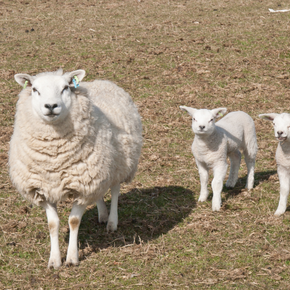
September and October are the peak months for abortion vaccination and both MSD Animal Health, the makers of Toxovax and Ceva, the makers of Cevac Chlamydia, are likely to reach maximum capacity in these months and may not be able to supply 100% of product required. As these diseases cause the majority of abortions that we see, it’s important to consider how to ensure your flock is protected. We are advising, where possible, to bring vaccination forward into August.
Breeding ewes should be vaccinated between 4 months and 4 weeks prior to tupping, ewe lambs must be over 5 months of age for their first vaccination prior to tupping.
We understand that this regime will not suit everyone but for those that can, helping reduce the demand at peak time will help secure supply for everyone. Towcester Farm Vets have a promotion running on Toxovax for vaccine ordered and delivered in August – please contact the surgery for more details.