When Behaviour Changes: What It May Mean for Your Dog’s Health
Dogs are incredibly expressive, but they don’t always show discomfort in obvious ways. Unlike humans, they can’t tell us when something feels wrong, so behaviour often becomes one of the clearest indicators of their physical and emotional wellbeing.
In this article, our vets at Towcester Vets explain how learning to notice small changes can help you spot potential problems early and ensure your dog stays comfortable and happy.
If your canine friend is displaying unusual behaviour, book an appointment straight away and our vets in Towcester will give them a thorough top-to-tail check.
What your dog’s behaviour reveals about their health
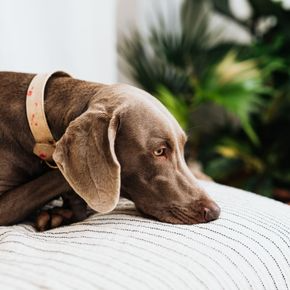
A change in behaviour doesn’t always mean something serious, but it’s worth paying attention. Our veterinary team at Towcester Vets advise that dogs experiencing discomfort may become quieter, more withdrawn or less interested in activities they once enjoyed, such as walks or playtime. Others may show the opposite reaction, becoming more restless, clingy or irritable. Even subtle shifts in temperament can be your dog’s way of communicating that they’re not feeling quite right.
Physical discomfort
Physical discomfort often shows up in everyday routines. You might notice changes in how your dog sits, lies down or moves around the house. Stiffness after rest, reluctance to jump or hesitating on stairs can all suggest joint or muscle discomfort. Changes in sleep patterns, such as pacing at night or struggling to settle, may also be linked to pain or unease.
Our vets in Towcester explain that eating and grooming habits can offer important clues too. A reduced appetite, slower eating or avoiding certain foods may indicate dental pain or nausea. Dogs that suddenly resist being touched or brushed could be experiencing discomfort in specific areas.
The signs of stress
Stress and anxiety can also affect behaviour. Excessive panting, yawning, lip licking or avoiding eye contact are common signs that a dog is feeling overwhelmed. Some dogs may start chewing furniture, barking more than usual or seeking constant reassurance. These behaviours are often misunderstood as ‘bad behaviour’ when they are actually signs your dog needs support.
When to seek help
Trust your instincts as an owner. You know your dog’s normal habits better than anyone and even small changes can be significant. If a behaviour change lasts more than a few days, appears suddenly or is accompanied by signs such as lameness, weight loss or lethargy, it’s a good idea to seek advice from Towcester Veterinary Centre’s team. Call us on 01327 350239.
By listening to your dog’s behaviour and responding early, you play a vital role in protecting their comfort, wellbeing and quality of life. If you do need urgent help, contact us at Towcester Vets straight away and we’ll arrange to see your pet as quickly as possible.
Looking for more pet care news? Be sure to check our news articles for tips from our vets in Towcester on all areas of responsible pet care.
Why Prioritising Your Pet’s Health Is the Ultimate Act of Love
The bond we share with our pets is built on trust, consistency and care. While cuddles, playtime and treats all play their part, one of the most meaningful ways to show love to your dog or cat is by protecting their health. Thoughtful, proactive healthcare with our team at Towcester Vets supports not only physical wellbeing, but also the emotional connection you share.
Routine health checks with our vets in Towcester are a cornerstone of this relationship. Regular visits allow us to monitor your pet’s weight, teeth, joints, skin and internal health over time – if your pet is due a health check then book an appointment today.
The quiet ways health care brings you closer to your pet
Many illnesses develop slowly and quietly, especially in cats, and early changes are often subtle. Spotting potential problems early means treatment can begin sooner, helping to reduce discomfort and avoid more serious issues later on.
For your pet, this gentle, preventative approach helps build confidence and familiarity with veterinary care, making future visits to see our vets in Towcester far less stressful.
Preventative care
Preventive care is another important way owners support long-term wellbeing. Our pet services like vaccinations, parasite control, dental care and nutritional advice are all designed to protect your pet from avoidable illness and discomfort.
These small, regular actions provide reassurance and stability, allowing your pet to enjoy life with fewer interruptions from ill health. Over time, this consistency strengthens trust as your pet learns that their needs are understood and met.
Continuing the good work at home
Caring for your pet’s health also means paying attention at home. Changes in behaviour, appetite, energy levels or grooming habits can be early indicators that something is not quite right. Responding promptly to these signs shows your pet that they are safe and supported. Early intervention by our vets at Towcester Vets often leads to simpler treatments and better outcomes, helping your pet feel comfortable and secure.
Perhaps most importantly, prioritising health reinforces the idea that your pet is a valued member of the family. Dogs and cats thrive when they feel protected and understood. By committing to their ongoing care, you create a partnership built on trust, reliability and compassion.
Looking after your pet’s health is not just about preventing illness. It is an ongoing expression of love, responsibility and connection. Through regular care and attention, you help your pet enjoy a happier, healthier life while strengthening the bond that makes your relationship so special.
Our veterinary practice in Towcester is here to support you with pet care and treatment whenever you need us – book an appointment anytime for advice, routine check-ups or a closer look at pet health concerns.
Looking for more pet care news? Be sure to check our other seasonal articles for tips from our vets in Towcester and everything you need to know about responsible pet care.
Towcester Vets on Gentler Care for Older Pets
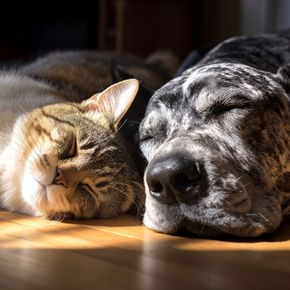
As pets grow older, their needs can change in ways that aren’t always obvious. Many senior cats and dogs continue to enjoy their daily activities, but the same routines that once thrilled them may start to become challenging or uncomfortable. In the article below, our team at Towcester Vets explain how observing your older companion carefully and adapting their routine can make a real difference to their wellbeing, comfort and confidence.
For support with your senior pet’s changing needs, book an appointment and our vets in Towcester will give you tailored advice and a nose-to-tail check-up for your furry friend.
Is your senior pet struggling? How to adjust their routine
Physical ‘slowing-down’
Our vets share how one of the first things to notice is a change in how your pet moves. Slower walks, hesitancy when climbing stairs or reluctance to jump onto favourite furniture may indicate that joints or muscles are feeling the effects of age. Even if your pet still seems happy to go outside, they may benefit from shorter, gentler outings around Northamptonshire with more frequent rest breaks.
Observing changes in your pet’s behaviour
According to our vets in Towcester, behavioural changes can also signal that a routine needs adjusting. An older pet might be less eager to play, show signs of anxiety during previously familiar activities, or appear withdrawn. These subtle cues are important: they may not always indicate illness, but they do suggest that comfort and reassurance should be a priority.
Dietary indicators
Diet and feeding routines are another area to consider. Senior pets often benefit from meals timed to their energy levels, softer food if dental issues are present and careful portion control to support a healthy weight. Maintaining hydration is equally important, particularly if exercise levels have changed.
Introducing new routines
Gentle modifications can make a huge difference. Incorporating low-impact play, providing supportive bedding and creating easy-access spaces helps your pet continue to enjoy favourite activities without strain. Maintaining mental stimulation through interactive toys or short training sessions also supports wellbeing and keeps them engaged.
Routine veterinary care from our team at Towcester Vets becomes even more essential as pets age. Regular check-ups allow us to assess mobility, detect early signs of discomfort or illness and provide guidance on exercise, diet and environmental adjustments tailored to your pet.
By recognising when an older pet needs a gentler approach, you’re not reducing their quality of life – you’re enhancing it. Small changes to routines, combined with ongoing attention and care, help ensure that your senior companion stays happy, comfortable, and confident, enjoying each day to the fullest.
If you’d like guidance on caring for an older pet, book an appointment and our vets in Towcester can offer personalised advice alongside a thorough health check.
Nose Work Training for Dogs: Get Towcester Vets’ Tips
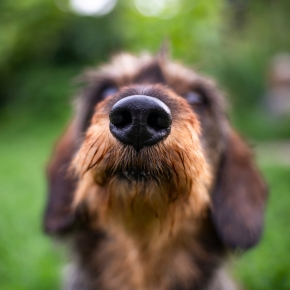
Wherever you are, and whatever treat you’re trying to sneakily eat away from twitching noses, your pooch will come running—that’s just one of the many charming perks of being a pet parent. But there’s a science behind the sniffing—our loyal canine companions have up to 300 million olfactory sensors in their snouts compared to about six million in humans!
Nose work training is an enriching way to harness this sensory superpower, and our vets at Towcester Vets have a few ideas that will help keep your favourite scent sleuth on the case.
Want tailored advice on your dog’s capabilities or to explore more ways to keep your dog mentally stimulated this winter? Pop in and chat to our vets in Towcester.
Contact us for tailored dog enrichment advice
The Nose Knows: How to train your dog’s sense of smell
Follow the nose to the prize
Towcester Veterinary Centre’s team share that any new training works best when you start slow. Place a treat in a box for your dog to discover and reward them for finding it. As you progress, add more boxes and switch the location of the treat, leaving it up to your sniffing superhero to find. This keeps their busy nose and mind working.
Mysterious munchies
We’ve already established they simply love nosing about your food, so turn this into a game. Our team advise hiding dog-safe treats around your home when they’re out of sight and leaving it up to your four-legged detective to find. If your pooch has a skilled snout, change things up and make it progressively harder by hiding them in places that are difficult to find!
Operation: Find the food
Transform mealtimes into a scent training session by scattering your dog’s food across wipe-clean mats in different locations or hiding it in a snuffle rug. This encourages them to use their nose to seek out every morsel, turning dinner into a rewarding game. Our vets in Towcester suggest sprinkling in a few extra treats occasionally for bonus sniffing motivation—it may not be the same as heading out to a fancy restaurant, but they’ll love it just as much!
Want to see a magic trick?
Get ready to perform some magic for the furriest audience member. Start simple: hide a treat under one cup and let your dog tip it over to claim their prize. Once they’ve got the hang of it, add two more cups and shuffle them around. If they sniff out the right one, you’ve got yourself a magician’s assistant! Why not make our team’s day by showing off your dog’s new skills next time you pop into our vet practice in Towcester?
The vanishing act
This is hide-and-seek with a twist—you’re the prize! Slip into another room and wait for your dog to track you down using their powerful sense of smell. When they find you, reward them with praise and plenty of fuss. As they get better, make it trickier by hiding further away or behind furniture, or even outside behind trees. We bet they’ll still sniff you out!
Ready to explore more enrichment ideas for your dog? Our team in Towcester would love to help you create a tailored plan that keeps your pup’s nose—and mind—engaged all winter long
Contact us for tailored dog enrichment ideas
How to Bond with Rabbits and Guinea Pigs
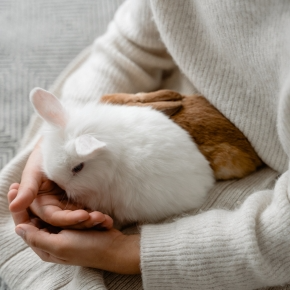
Winter can be a quiet time at home in Northamptonshire, making January and February the perfect months to focus on building a stronger bond with your small pets. Rabbits and guinea pigs are social, intelligent animals that thrive on routine, gentle interaction and mental stimulation. Spending quality time with them not only strengthens your relationship but can also enhance their overall wellbeing.
Our team at Towcester Vets have compiled some great tips on how to build trust and encourage play.
If you’re experiencing any difficult behaviours and need help, just contact our vets in Towcester for advice on how to build a positive relationship, as well as a health check to ensure your pet is well.
Contact us for tailored advice
Bonding with your rabbit or guinea pig: building trust with gentle activities
Start with a calm environment
According to our vets in Towcester, small pets can be easily startled by loud noises or sudden movements. Create a calm and safe space by dimming harsh lights, moving slowly and speaking softly. This encourages your rabbit or guinea pig to approach you willingly, rather than feeling anxious or threatened.
Gentle handling and patience
Rabbits and guinea pigs need to feel secure in your hands. Begin with short handling sessions, letting them sniff and explore your hands while you pet them gently. Avoid sudden lifts; instead, support their body properly, keeping one hand under the chest and the other supporting the hindquarters. Over time, these gentle interactions will build trust.
Interactive play and foraging
Mental stimulation is essential for small pets. Towcester Veterinary Centre’s team recommend setting up indoor foraging activities using toilet paper rolls, cardboard boxes or puzzle feeders. Hide a few of their favourite treats inside to encourage natural digging and exploring behaviours. These activities provide enrichment, satisfy curiosity and allow you to observe your pet’s personality in a relaxed setting.
Bonding through routine
Rabbits and guinea pigs appreciate consistency. Daily routines, such as regular feeding times, gentle play sessions, and safe handling, help them feel secure and more willing to interact. Incorporating bonding activities into your usual care routine strengthens trust over time.
Speak their language
Pay attention to your pet’s body language. Our vets in Towcester share that a relaxed rabbit may flop onto their side, while a content guinea pig may purr or make soft chirping sounds. Recognising these cues helps you respond appropriately and build a positive, trusting relationship.
When to seek advice
If your rabbit or guinea pig shows persistent fear, aggression or unusual behaviours, it’s a good idea to speak with our team at Towcester Vets. Call us on 01327 350239 and we can book an appointment in which our team can provide guidance on safe handling techniques and enrichment strategies to ensure your pet is happy and thriving.
By investing a little time each day in gentle interactions, now can be the start of a stronger, more rewarding bond with your rabbit or guinea pig. Small, consistent efforts now can lead to a lifetime of trust and companionship!
Why not start with a new year health check for your small pet? Just contact our vets in Towcester to book an appointment.
Why Do Cats Knock Things Over? Insights from Towcester Vets
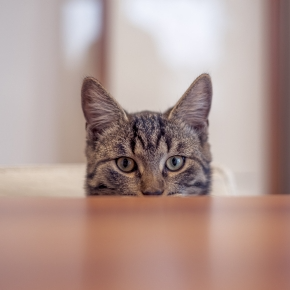
If you’re a cat owner in Northamptonshire, you’ve probably experienced it: you leave your morning coffee on the kitchen counter, turn around and your cat has sent it tumbling to the floor. While it can be frustrating (and sometimes messy!), this behaviour is completely normal, and understanding why cats do it can help you manage it better.
In this article, Towcester Veterinary Centre’s team reveal the reasons your cat may be displaying some frustrating behaviours and what you can do to avoid it in the first place. If you need more tailored advice for your feline friend, book an appointment and we’ll be happy to help and advise.
Why does my cat knock things off tables? Understanding feline behaviour
Curiosity and Exploration
Our vets in Towcester explain that cats are naturally inquisitive animals. Knocking objects over allows them to explore their environment and investigate unfamiliar items. Your cat may be testing what an object is, how it moves or whether it can be played with. Think of it as their way of ‘researching’ their surroundings.
Hunting instincts
Domestic cats still retain their ancestral hunting instincts. Small objects on tables or shelves can trigger their predatory behaviour, prompting them to bat, swipe or push items. Even though your cat isn’t hunting for food, the action of knocking items over mimics stalking and pouncing behaviour from the wild.
Attention-seeking
Cats are smart and quickly learn which behaviours get a reaction. Towcester Vets’ team reveal that if knocking your mug or phone off a table leads to a reaction – whether it’s laughter, scolding, or even being picked up – your cat may repeat the behaviour to get your attention.
Boredom and energy release
Indoor cats in Northamptonshire especially may have excess energy to burn. Knocking items off surfaces can be an outlet for this pent-up energy. Ensuring your cat has plenty of playtime, toys and mental stimulation can help reduce unwanted ‘tabletop adventures’.
Communication and territory
Cats use movement and scent to communicate. By pushing objects off tables, your cat may be marking territory or expressing a message, especially in multi-cat households where hierarchy plays a role.
Tips to reduce “knock-off” behaviour
- Provide Enrichment: Use toys, scratching posts, and puzzle feeders to keep your cat engaged.
- Vertical Space: Offer cat trees or shelves as safe climbing areas to satisfy their curiosity and climbing instincts.
- Limit Access: Keep fragile or valuable items out of reach.
- Positive Reinforcement: Reward your cat for playing with toys instead of objects on counters.
- Interactive Play: Daily interactive play sessions can help burn off excess energy and reduce mischief.
When to seek advice
Our vets in Towcester share that while knocking objects off tables is normal, sudden changes in behaviour, aggression or signs of stress may indicate an underlying health or behavioural issue.
Understanding why your cat behaves the way they do can strengthen the bond between you and your feline friend and might save a few mugs in the process! If you’re concerned about your cat’s behaviour, book a consultation with our team at Towcester Vets.

Camelid Blood Drive
We will be holding our annual Camelid Blood Drive @ Onley Grounds Farm CV23 8AJ on Monday 26th January 2026.
On this day we take blood from donor alpacas which is then transported to the Pet Blood Bank for processing to produce plasma. Plasma is a vital part of treating crias who don’t get enough colostrum at birth. At risk crias should be blood sampled at 36-48 hours old to assess whether they have had enough colostrum and if not, plasma can be given to boost antibody levels and try to prevent infections. Plasma is also an important part of treating any crias who do get sick.
At risk crias include those who are: low birth weight, premature, dysmature, those born to maiden girls who may not have as much colostrum and assisted births who may take time to suckle due to stress.
Plasma is not commercially available so this is our only way of producing this product and as we want to pass on antibodies that are specific to your farm, it’s important that each farm has its own supply. There is a disease risk in using plasma from other herds.
If you would like to register your interest in attending this day or for more information, please call the surgery.
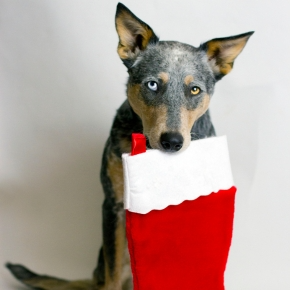
Affordable Pet Gifts Ideas for Christmas
New research reveals that pet owners in Northamptonshire are set to spend up to £1.1 billion on their pets this Christmas.
Over two-thirds of pet owners (68%) are prepared to spend up to £50 to make sure their furry friends have a special day. From treats to toys and cosy accessories, it is clear pets are very much part of the family. But Christmas can also stretch budgets and you don’t need to spend a fortune to bring joy to your pets this festive season in Northamptonshire.
Our reception team at Towcester Vets have put together some budget-friendly gift ideas to keep tails wagging and whiskers twitching – all without breaking the bank.
Got some ideas you’d like to run by us? Contact our team and let’s chat about gifts!
Christmas pet gifts on a budget
Festive fun for dogs
Dogs don’t need expensive toys to enjoy Christmas – tasty treats and your company are what really matter.
- Frozen treat: Fill a rubber toy with plain yoghurt and a few blueberries, then freeze for a refreshing snack.
- DIY treat jar or stocking: Create a personalised gift filled with small, affordable treats.
- Affordable festive goodies: Check out our reception area at Towcester Vets for a selection of budget-friendly dog treats perfect for the holiday season.
Festive treats for cats
Cats love small surprises and cosy spots more than wrapped gifts.
- Cardboard castle: Transform delivery boxes into a multi-level hideout. Also a fun craft to do with the kids.
- Simple teaser toy: Tie a feather or scrunched foil ball to a string for endless play.
- Tuna topper: Add a spoonful of tuna in spring water to their dinner for a special Christmas meal.
Festive delights for rabbits & guinea pigs
Small pets appreciate enrichment and interactive play over expensive presents.
- Foraging roll: Hide hay and pellets inside a cardboard tube for a fun hunt.
- Natural chews: Twigs from untreated apple or willow trees are ideal for nibbling.
- Seasonal snacks: Offer a slice of carrot or a few fresh herbs like parsley or coriander.
Even on a tight budget, your pets can have a joyful, festive Christmas. With a little creativity, some recycled materials, and a sprinkle of love, you can make their holiday season special.
Our veterinary team in Towcester are always happy to help with ideas and festive treats for dogs, cats and rabbits—just drop us a line.
From all of us at Towcester Vets, we wish you a Merry Christmas filled with wagging tails, purrs and happy hops!
Festive Feasting: What’s on the Menu for Furry Friends?
We all love a Christmas treat, and it’s only natural to want our pets to share in the fun. But while some festive foods are safe, many traditional dishes can be harmful to dogs and cats.
Our team at Towcester Vets have put together two simple menus of safe Christmas food so cats and dogs can enjoy the celebrations safely. If you’re wondering what your pet can and must not eat at Christmas, ask our vets in Towcester for tailored nutritional guidance.
Contact us for nutrition advice
Planning a Christmas dinner for pets
Paws…to read this disclaimer: Changing a pet diets suddenly can cause upset tummies and anything new should always be given in small portions. Ensure any extras form part of your pet’s normal daily diet and adjust portion sizes to avoid overeating.
Now, to the good stuff!
Christmas Menu for Dogs
Towcester Vets’ team explain that dogs can enjoy small portions of plain, cooked foods – just keep things simple and skip the seasoning.
- Starters: A few slices of cooked carrot, green beans or broccoli make crunchy, low-calorie snacks.
- Main course: Lean white turkey or chicken (boneless, skinless and unseasoned) with a spoonful of plain mashed or boiled potato. Avoid gravy, onions and stuffing.
- Dessert: A few blueberries or apple slices (no cores or seeds) are packed with antioxidants and fibre.
- Festive extras: A spoonful of plain pumpkin purée or natural yoghurt can help digestion, but only in moderation.
Want more nutrition advice for your dog? Pop in to see us at Towcester Vets or call us on 01327 350239 – we’re happy to help plan a satisfying and healthy menu for your pet.
Christmas Menu for Cats
Cats are true carnivores, so their festive feast should be high in protein and free from seasoning or sauces.
- Starters: A little plain, cooked white fish such as cod or pollock.
- Main course: Small pieces of cooked turkey, chicken, or beef with no skin, bones, or gravy.
- Festive extras: Offer a spoonful of cooked pumpkin or a catnip toy for a fun, safe indulgence.
Remember, a festive meal should always be small and simple as too many rich treats can upset sensitive stomachs. If you’re unsure whether something is safe, call our vets in Towcester for advice.
Contact us for nutrition advice

How to Help Pets Stay Calm This Holiday Season
The festive season is a time of joy for families, but for pets, the sudden changes and excitement can sometimes be overwhelming.
Whether it’s dogs reacting to noisy gatherings, cats unsettled by visitors or small furries startled by new scents and sounds, the holiday season can easily unsettle our animal companions. If you have a busy household, a nervous pet or one who hasn’t encountered a festive period yet, contact our vets in Towcester for advice on how to keep them calm and happy.
Contact us for tailored advice
Veterinary tips for stress-free pets in the holidays
Dogs and the festive season
Dogs are typically creatures of routine, and all the extra commotion during the holiday season—from visiting relatives to fireworks around Northamptonshire and parties—can cause anxiety. Look out for signs such as trembling, pacing, excessive panting or hiding.
Our team at Towcester Vets recommend giving your dog a quiet, safe space away from the bustle and avoid forcing them to join in when they’d rather not. Simple steps can reduce pet stress during the holidays, such as using pheromone diffusers, playing gentle background music or working on calm behaviour training in advance.
Cats and Christmas chaos
Cats thrive on predictability and personal space. Rearranged furniture, new decorations or guests can leave them feeling insecure. If your cat starts hiding more often, toileting outside the tray or over-grooming, these are likely signs of stress. Keep food, water and litter trays in their usual places and provide quiet hideaways where they can retreat undisturbed.
Our vets at Towcester Vets advise slow introductions to visitors and helping anxious pets at Christmas with pheromone diffusers or calming sprays can make a big difference.
Caring for rabbits, guinea pigs and other small pets
Small furries are particularly sensitive to noise and handling. Frequent disruptions, loud music or over-enthusiastic visitors can cause distress. Keep their enclosures in a calm, quiet area of the house, maintain normal feeding and cleaning routines and handle them gently and minimally during busy periods.
A peaceful season for everyone
By creating peaceful spaces and maintaining familiar routines, you can help your pets feel safe and secure during the festivities. If you notice changes in behaviour or appetite, talk to our veterinary team at Towcester Vets and they’ll help you find the best ways to keep your pets calm and happy over the holiday season.
Talk to us for tailored advice