Home care tips for arthritic dogs from Towcester Vets
Just like in humans, a dog’s joints can stiffen and cause discomfort as they get older. Osteoarthritis affects over 80% of dogs over the age of 8 years (and some younger dogs too). To support Animal Pain Awareness Month, the Veterinary Surgeons at Towcester Vets are helping dog owners in Northamptonshire understand how to spot signs of pain and support their dog’s journey with this disease at home.
Adaptations for Arthritic Dogs
Signs and symptoms of canine arthritic pain can be difficult to see, especially when it is often subtle and intermittent. Dogs cannot tell us how they feel and are good at hiding pain and just ‘carrying on’. Therefore, it is no wonder that such a huge percentage are overlooked until they are at the latter stages of this debilitating disease.
Some of the symptoms of Osteoarthritis in dogs include:
- Licking, biting, or overgrooming an area
- Lameness or subtle shifting
- Gait changes in how they walk and run
- Struggling to get up from lying down
- Unable to jump on and off things
- Struggling with stairs
- No longer wanting to play
- Behaviour changes
- Reluctance to exercise
If you notice any of these signs in your pet, it is best to get them looked at sooner rather than later – contact us to book a pain appointment. Arthritis can be very painful for pets and will affect their quality of life on a daily basis.
If your Vet is concerned, your vet may advise X-rays of the affected joints to confirm diagnosis and then a treatment plan put in place. It is important to understand with arthritis that it is often a ‘multimodal’ treatment approach as there are many aspects that need to be considered. Part of this approach may include:
- Drug therapy pain management
- Physiotherapy
- Hydrotherapy
- Regenerative medicine
- Supplements
- Diet adaptations
- Home adaptations
It may be that 1 or 2 of these treatments are implemented initially and more built in as the disease progresses, but every patient is different and so will be their treatment programme.
As well as the treatments available there are also some simple home and exercise adaptations and that can be made to improve your arthritic dog’s quality of life. The Vets at our Burcote Road clinic have pooled their best advice in a downloadable guide – get this here.
Get our Dog Arthritis Home Guide
There are many fantastic resources available to owners to help manage their arthritic pet’s condition at home. Speak to our team at Towcester Vets about the support we can offer to your pet and you – get in touch.
You may also find the Canine Arthritis Management website helpful as it has advice and products for arthritic dogs – visit it now.
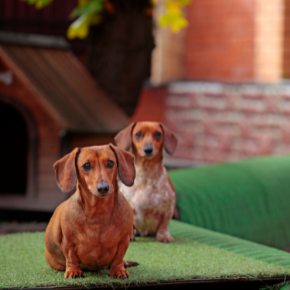
Choosing boarding kennels for your dog
Since 2018, people in who run dog boarding kennels, a home boarding business, and even doggy day care must follow rules that focus on meeting the welfare needs of dogs.
Get the detail of what the law requires by reading our article below and download our ‘Ten questions’ to ask your kennel before booking your dog’s next stay.
Ask Kennels these 10 questions before you book
Dog boarding kennels
Kennels must provide a suitable environment, monitor behaviour, and keep a record of your dog’s stay – ask to see all of these.
As a minimum your dog must have:
- Their own kennel unit and sleeping area, accessible at all times.
- Sufficient space in that area for them to sit, stand at full height, lie down fully stretched out, wag their tail, walk, and turn around.
- One daily 20-minute walk outside, ideally more.
- If appropriate, room to share with another dog from your household.
- Access to enrichment through toys and games.
The better kennels will offer more and longer walks, additional enrichment facilities, and more staff interaction.
Home boarding services
Like Kennels, home boarding businesses must provide a suitable environment, monitor behaviour, and keep a record of your dog’s stay – ask to see all of these.
Your dog must be:
- Accommodated within the home.
- They should have their own room where they can get away from other dogs.
- Things that do not count as rooms include… conservatories, garages, cellars, outside building/sheds, balconies, or outside structures.
- They should get exercise that is appropriate for their age and health, with the opportunity for at least one 20-minute outdoor walk a day.
As with boarding kennels, the better the home boarding facility, the more exercise, enrichment, and interaction will be available.
Doggy day care
For a dog day care business to be fully licensed, your dog must be:
- Assessed before they can go to the day care provider to make sure they are not scared, anxious, or stressed around other dogs and people.
- Able to access an area where they can go to the toilet when they want to.
- Able to access an area where they can avoid seeing people or other dogs if they choose to.
- Have their behaviour monitored
Day care providers aspiring to even higher standards will also document the interactions your dog has with people throughout the day.
Get the ten questions you should ask every kennel
Do download our ten questions PDF and use it, along with the information above, to assess your care provider. If you feel these conditions are not being met, then we would urge you to walk away (taking your dog with you) and look for alternative dog boarding in Northamptonshire or further afield.

Why myxomatosis isn’t just a wild rabbit problem in Northamptonshire
Myxomatosis is often thought of as a ‘wild rabbit problem’ as the disease can be spread rapidly by summer’s ubiquitous supply of biting insects. However, domestic rabbits across the Northamptonshire area and beyond can contract this deadly disease too after being bitten by the same parasites.
Rabbit vaccinations are the only viable protection for your rabbits against diseases like Myxomatosis, and the two strains of Rabbit Viral Haemorrhagic Disease (RVHD), all of which are nearly always fatal. So, it’s vital that every domestic rabbit’s jabs are kept up to date annually.
Myxomatosis
How to reduce the chance of your rabbit contracting Myxomatosis
Apart from vaccination, other ways to reduce the chances of infection include:
- Protecting your pet rabbits from biting insects by putting mosquito netting around the hutch. This will help to prevent flystrike as well.
- If your rabbits are allowed to exercise outside avoid letting them out in the early morning or late afternoon when mosquitoes are more prevalent.
- Talk to our team about flea prevention for your rabbit. Our team can talk you through the most effective treatments.
A few words on RVHD
Like Myxomatosis, the two strains of Rabbit Viral Haemorrhagic Disease (RVHD-1 & RVHD-2) are nearly always fatal if contracted by un-vaccinated rabbits. RVHD can be spread on inanimate objects that have been contaminated with the virus including shoes, clothing, car tyres, rabbit hutches, and even your hands. Rabbits that have contact with an infected rabbit or their faeces, fur, or meat, are also likely to contract it.
How to reduce the chance of your rabbit contracting RVHD
The RVHD virus can survive on surfaces for up to 6 months, especially in colder climates. Given that your rabbit can contract the disease from everything from human clothes and hands to the wind, this virus is pretty much impossible to avoid. So there really is only one practical method of protection and that is vaccination.
We hope you are getting the clear message that rabbit vaccinations are vital for the ongoing health of all domestic rabbit populations in Northamptonshire and beyond. If your rabbit has not been vaccinated or you are not sure when their last jabs were, then please contact us for immediate advice.

Vets in Towcester share vital dog vaccination advice
This month is immunisation month, so what better time to discover why vaccinating your pet is so important? Our veterinary team in Towcester have some advice to help dog owners understand more on this topic below.
Vaccinations are key to preventing the spread of disease in your pet as well the wider canine population. They improve the immune response your pet would have after being exposed to a specific disease, drastically increasing their likelihood of survival.
Core dog vaccines
The core canine vaccination protects dogs against 4 harmful diseases that can stay in the environment for months and spread between healthy dogs:
- Canine distemper virus – attacks brain, lungs & intestines
- Infectious canine hepatitis – causes severe liver disease, including jaundice, vomiting & diarrhoea
- Canine parvovirus – attacks bone marrow and gut lining, weakens immune system, causes bloody vomiting & diarrhoea, puppies can die from dehydration and sepsis
- Leptospirosis – hard to diagnose, transmitted by rat’s urine, usually picked up from farms, puddles, or watercourse – causes kidney & liver failure
According to our veterinary team, this vaccine would be administered whilst your puppy is 6-10 weeks of age and consists of 2 injections 2-4 weeks apart. If you are purchasing a puppy from a breeder or a rescue centre, always check their vaccination status. Most of the time, your puppy will have received their primary injections before you take them home.
Our experienced Vets advise that in some circumstances, puppies may need to restart their initial vaccination course. If your puppy’s first vaccine is not compatible with the vaccines stocked at your vet practice, or if the second vaccine is not given in time, the initial course may need to be restarted.
Being immunised gives your pet a high level of protection against diseases whilst preventing the spread of infection from animal to animal. Annual health checks and booster vaccinations are highly recommended for optimal ongoing protection.
Kennel cough
The Kennel Cough vaccine is technically considered a non-core vaccine. The team at our Burcote Road practice will recommend based on a dog’s level of risk. It is administered via a spray up the nostrils and protects dogs against this highly contagious disease.
Kennel cough doesn’t typically cause a serious illness in healthy dogs, but it can make your dog feel very uncomfortable with a dry honking cough, and can expose some dogs to secondary infections. Kennel cough not only affects dogs in kennels, but unvaccinated dogs are at risk at the park, doggy day care, training classes, dog shows, and anywhere else they mix socially.
It is important to remember that all vaccines on the UK market are meticulously checked for safety, efficacy, and quality; serious adverse reactions to vaccines are rare and the benefits of vaccination continue to outweigh this small risk.
The take home message is that puppy and dog vaccinations are vital for the health and wellbeing of your dog and the wider canine population.
If you have any questions or want to book a dog vaccination in Towcester, get in touch with our team.

How to spot common cat health problems at home
Cats are notorious for being able to hide pain and illness very well. As cats ages faster than humans, a lot can happen in a short space of time but by monitoring your cat closely, you can help to identify any changes sooner and get them the help they need.
The team at Towcester Vets have some advice for cat owners on how to spot common cat health concerns at home in between annual and 6-monthly vet checks.
Common cat health problems
Our veterinary team have listed common ailments that affect cats below:
- Dental disease
- Skin problems
- Obesity
- Diabetes
- Joint disease/Osteoarthritis
- Heart disease
- Kidney disease
- Urinary problems
- Cancer
Many of these ailments can affect cats at any stage in life, and some are more likely to affect them in their older years. Equally, you should not overlook any symptoms whatever age your pet is. Some of the most common symptoms of something changing can be:
- Behaviour changes
- Toileting changes
- Appetite changes
- Water intake changes
- Weight loss/gain
- Skin/coat changes
By regularly checking over your cat at home, you can help monitor for changes but also learn what is normal for them. Our team advises performing this 6-point cat checklist regularly at home to spot any irregularities:
6-point cat checklist
- Nose – clean, clear, and subtly moist
- Eyes – bright and clear; no discharge or redness around the eyes
- Mouth – healthy looking teeth with no breakages or tartar build up, and healthy pink gums
- Ears – clean and clear with no discharge, swelling, nasty smells, or constantly scratching
- Coat/skin – shiny healthy coat with no dandruff, parasites, bald patches, lumps, or bumps
- Weight – healthy lean weight; can feel rib cage but not see it; can see a defined waist
If you spot any changes on your cat that you are concerned about, it is best to get them checked by one of the Vets at our Burcote Road surgery. The chances are it is something simple, but it is better to get it looked at and get your cat the treatment they need.

Vital hot weather advice for Northamptonshire owners of small furry pets
Even though they are small animals, the risk that hot temperatures pose to rabbits, guinea pigs, and hamsters is big. In fact, for most small pets, their ideal temperature range tops-out at 23-25°C and anything above can quickly become life-threatening. Some bunnies can tolerate temperatures as high as 30°C but it is a risk not worth taking.
As rabbits, guinea pigs, and hamsters cannot sweat like humans do, and have limited options to cool themselves down, it’s up to their owners to help them survive summer heatwaves.
You can help other pet owners by sharing this article on Facebook – just copy the URL and share away!
Symptoms of heatstroke in small furry pets
If your rabbit, guinea pig, or hamster starts to exhibit any of the following symptoms of heatstroke you should get them somewhere cool and call your Vet for emergency advice.
- Shallow, accelerated breathing (panting)
- Excessive drooling (thick saliva)
- Hot ears
- Wet nose
- Bright red or blue tongue and gums
- Less urine output due to dehydration
- Lethargy and weakness
- Confusion
- Convulsions
- Cardiac arrest
How to help small furries cope in summer
When the mercury is rising, there are some steps you should take to make sure your small furry pets stay safe. Towcester Vets’ team of experienced Vets have the following advice:
- Rabbits regulate their temperature through their ears so one way to boost their natural cooling system is to spray their ears with water – it will evaporate as it warms up. Avoid soaking your bunnies as this could put them at risk of respiratory illnesses.
- During hot weather in Northamptonshire, move their hutch or cage out of direct sunlight and into the coolest spot that is practical.
- Keep water bottles and bowls topped up and if there is access to power nearby, think about setting up a fan (not pointed directly at the cage) to keep the air moving.
- Make a ‘cold water bottle’ and wrap it in a cloth for your pets to lounge against or set up frozen water bottles around their housing.
- Place a cooling mat or pop some cold tiles in the cage or hutch for your pets to lie on.
- Rabbits and guinea pigs can be more prone to flystrike in warm weather so make sure your pets are clean and dry (check for urine stains) and keep their bedding and housing impeccably clean.
All these little tricks should ensure your small furry pets do not succumb to the heat.
Remember to share our article on your favourite social media account and help other owners of small furry pets this summer.
Just copy the article URL and head over to Facebook.

Ensure a cool and carefree summer for cats in Northamptonshire
Long, hot summer days spent sunbathing and going on new adventures… sounds divine. We are sure most cats in Northamptonshire would agree! Unfortunately, there are a few summer dangers such as heatstroke, burnt paws, and accidents that could scupper your cat’s plans.
The nursing team at Towcester Vets have pulled together their top tips to help you ensure your cat has a cool and carefree summer.
The first action on your checklist is to get your cat microchipped. Besides the new law due to come into force this year making it compulsory, cat microchipping is one of the most helpful things you can do for your cat this summer. Keep reading to discover why and get more cool cat summer tips from Towcester Vets’ nursing team.
Get your cat microchipped for summer
1. Why microchip your cat
With longer daylight hours, more sunshine, and more adventuring to do, summer can heighten certain dangers for cats – these include:
- Pet theft
- Wandering off too far and getting lost
- Looking lost close to home and being taken to a vet practice or animal shelter
- Road traffic accidents and other injuries from summer adventures
By microchipping your cat, you are giving them the best chance of being reunited with you should the unthinkable happen. Book a cat microchipping appointment today.
2. Think ‘hot weather cat safety’
Cats are big sun worshippers but too much can be detrimental to their health. The heat can get to indoor and outdoor cats so it is important to take steps to avoid heatstroke, which can be fatal.
Follow these tips from Towcester Vets’ nursing team and make sure your cat enjoys a safe summer:
- Provide plenty of water in multiple locations so your cat avoids getting dehydrated
- Set up some shady areas where your cat likes to lay even if your cat lives indoors – get into the habit of pulling down the blinds or drawing the curtains against the midday sun
- If your cat likes to sunbathe, apply pet-specific sunscreen to delicate areas such as paws and noses to avoid sunburn – especially if they are lighter in colour
- Your cat’s paws are especially sensitive so be aware of the temperature of pavements before letting them outside in hot sun – check for signs of blisters when they come in
- Heat leads to cats tiring out more quickly – avoid letting your pet play too much in the heat or it might lead to exhaustion
- Be wary around paddling and swimming pools – while cats are not known for jumping into water voluntarily, accidents happen, and cats are not great swimmers
3. Avoid fleas, worms & ticks
Like cats, many parasites will become more active in the warmer weather and who better to hitch a ride with? Your cat of course! As well as being very annoying for your cat, fleas, worms, and ticks can create a whole host of health issues for your cat, as well as your human family.
Ask any of our Burcote Road, Weedon, or Paulerspury Vet Nurses and they will tell you that ongoing preventative treatments are the best course of action to avoid parasite problems in cats. Contact our team on 01325 350239 to order your cat’s next treatment, or to discuss the best products for your pet.
We hope you can use our advice to help your cat have a cool and carefree summer. If you have questions after reading this or want to book an appointment for microchipping, simply contact us.

Towcester Vets shares 7 summer dangers dogs should avoid
We might seem like the ‘fun police’ when we say this, but did you know there are many summer dangers lurking in the great outdoors when you have dogs? The nursing team at Towcester Vets have created this guide on heatstroke, burns, lungworm, poisons, accidents, GDV, and stings to help Northamptonshire dog owners enjoy a safe summer with their pets.
You can help other pet owners by emailing our article to your friends and family or by sharing it on social media – just copy the URL and share away!
You might also like to read more stories like this link on our news page.
Summer Dog Dangers Guide
1. Heatstroke
Heatstroke is extremely common and can become life-threatening very quickly. Causes of heatstroke in dogs include spending too much time in the sun, exercising too much in the heat (includes walking), being stuck in a parked car or another sun trap, left without access to shade and water, and a cooling coat that has dried out. You can avoid heatstroke in dogs by avoiding these situations.
Symptoms of heatstroke in dogs include: laboured panting, dull gums (not bright pink if they are usually), drooling, lethargy, and seizures.
If your dog displays any of the above symptoms call your Vet right away. In the meantime, remove your dog from the heat source and cool them down using tepid (not cold) water on their coat and a cool air fan, and give them a drink.
2. Burnt paws
Dogs can easily burn their paws by walking on surfaces that are too hot – tarmac, paving stones, and concrete especially can get hot enough to burn in the summer sun. The nursing team at Towcester Vets have a quick & easy way for you to tell if it is too hot. Put your hand on the surface for 5 seconds and if it is too hot for you, it is too hot for your dog.
3. Bloat/GDV
Gastric Dilatation-Volvulus (GDV) or Bloat is a life-threatening condition that can occur when dogs do rigorous exercise too close to a large meal – it can happen to any dog but is more common in larger and taller breeds with big chest cavities. Bloat can also happen any time of the year, but is one to be aware of if you are planning some extra fun and games this season. Reduce the risk by leaving 1 hour before and 2 hours after exercise for big meals.
4. Lungworm
Left untreated, a lungworm infection can be fatal. Lungworm is spread through the slime of infected slugs and snails. Dogs typically become infected by eating these creatures or by coming into contact with contaminated dog bowls, toys, and beds that have usually been left outside. Thankfully, lungworm can be prevented through regular worming treatments.
5. Poisons & harmful items
Besides fun & rain, a British Summer can mean gardens awash with poisonous plants & pesticides, vegetable patches growing onions & garlic, fallen fruit with pips & stones, harmful leftovers from BBQs & picnics, rotting food in compost heaps, and access to poisons through open sheds & garages.
Towcester Vet’s nursing team recommend that owners should be extra vigilant when it comes to summer pet poisons and either remove them or prevent access. If you have any suspicions that your dog has dabbled, do not delay – call your Vet for emergency advice.
6. Accidents
Can you avoid accidents? Some, yes, by thinking ahead. Our Nurses suggest walking around your garden to try and spot as many potential accidents ‘waiting to happen’, and create a to-do-list – e.g. “remove broken glass from behind shed” and “fix hole in fence”.
You can think ahead when you are out with your dog too; look at roads, parked cars, potential escape routes, bodies of water, and the activities of nearby people. Just by being consciously aware of your surroundings you can avoid many problems.
7. Insect stings & animal bites
With the great outdoors comes many biting & stinging insects, and the odd snake. Keep an eye on your dog as they investigate nose-first and have a first aid kit and your vet’s number at the ready.
You can also help your dog have a safe and happy summer by:
- Always having water and a bowl with you
- Considering your dog’s wellbeing in each situation and surroundings
- Using preventative measures to help avoid many summer dangers
Before you go, please remember to share our safety guide on social media to help other dog owners like you.

Towcester Vets summer dog holiday recommendations
The UK is full of dog friendly holiday parks and destinations that your whole family can enjoy. However, with a huge increase in tourists expected to land in popular UK hotspots this summer instead of going abroad, it could be time to head somewhere a little different.
The Towcester Vets team has come up with their 5 best holiday destinations to go with dogs in summer 2022, that aren’t in Cornwall or Devon.
Why not share your favourite dog friendly holiday destinations with other owners on our Facebook page?
- Dog Friendly Anglesey
Right on the tip of North Wales, Anglesey is a real treat. You and your pup will have over 125 miles of coastal paths to explore. Set your dog’s senses alight with walks through fishing villages, woodlands, over cliff tops, and head down to the many dog friendly beaches. Here are even more things to do in Anglesey with your dog: Dog Friendly Anglesey
- Dog Friendly Northumberland
The northeast coast has it all – stunning scenery, long stretches of golden beaches, and an abundance of unique walking trails. You and your dog will be spoilt for choice. Northumberland’s all-year-round dog friendly beaches include Alnmouth beach, Boulmer beach, Beadnell Bay, and Embleton Bay. Further reading: Dog Friendly Days Out in Northumberland
- Dog Friendly Peak District
The Peak District has so much to offer, including over 100 dog friendly pubs with refreshing drinks and hearty meals for after your adventures. Visit the Peak District National Park with your dog for a fantastic choice of walks. There’s the Monsal Trail between Chee Dale and Bakewell, and the challenging Kinder Scout, with Mermaid’s Pool and Pym’s Chair along the way. Check out these Dog Friendly Pubs in the Peak District
- Dog Friendly Galloway & Dumfries
Southern Scotland is a beautiful yet often overlooked destination to take your dog on holiday. Choose from acres of forest, sandy beaches, river walks, and plenty of castles to explore. Dumfries & Galloway is an ideal place to stay, as it gives easy access to the surrounding areas. Read this guide on top things to do in Dog Friendly Dumfries & Galloway
- Dog Friendly Brecon Beacons
This might not seem like your typical summer holiday destination, but the Brecon Beacons National Park is a hidden gem with so many dog friendly attractions and walks. Plus, it’s the perfect base to explore the Welsh countryside and places like Rhossili Bay on the south coast. There’s lots of dog friendly accommodation in the Brecon Beacons too. For something extra special, our team suggests looking at Sugar & Loaf Cottages
We’d love to know your favourite UK holiday destinations to take to your dog in summer. Why not pop over to our Facebook page and share them with our followers?
The importance of insurance for pets in Towcester
The importance of insurance for pets in Towcester
Veterinary medicine and what we can do to keep your pet fit and well advances year on year. Yet our increasingly sophisticated emergency tests and treatments can be expensive. In fact, even providing basic care for your pet when they become ill or have an accident can prove costly.
That’s why having the right pet insurance is so important and why the veterinary team at Towcester vets want to make sure you have cover that’s up to date & appropriate for you.
The main benefits of pet insurance
- Peace of mind –Having the right insurance for your pet helps you relax, safe in the knowledge that you will be able to get them the best care, as opposed to the care you can afford.
- Financial benefits – Depending on the cover you choose you can protect yourself against many of the bills that tend to accrue for emergency treatment.
- If you don’t have insurance, or if you do but would like to discuss whether the cover you have is appropriate, please call the Towcester Veterinary surgery on 01327 350239 or talk to us at your next visit.
Whist we can’t recommend a specific insurance product, the Towcester Vets team know which insurance features are important, and they also know you and your pet. We are ideally placed to guide you towards the policy features that will best suit your pet and your pocket.
Insuring unusual pets
Most people have heard of insurance for dogs and insurance for cats. But what about other animals? Don’t worry, as you can now insure almost any species, including birds and reptiles, plus small furries such as chinchillas, chipmunks and even hedgehogs.
Look before you buy
Before buying pet insurance, make sure you understand exactly what the policy covers. Here are some things you need to pay attention to:
- Maximum payment – What is the maximum amount that the policy will pay?
- Exclusions – What exclusions apply to your pet?
- Excess – What is the policy excess?
- Time limit – How long will the insurance company continue to pay for a problem that your animal develops? Some policies only provide coverage for 12 months after development of a new condition. Others offer lifetime cover, so as long as you renew your policy every year, your pet is covered for life for treatment of chronic conditions.
It’s never too early to take action to protect your pet
If you don’t currently have insurance, come and talk to us and we can answer your questions. Even if you’re already insured, it’s still worth checking with us here at Towcester Vets that your policy is up to date and appropriate for your current circumstances.
Ask Towcester Vets about insurance