TBAS – the TB ADVISORY SERVICE – is back!
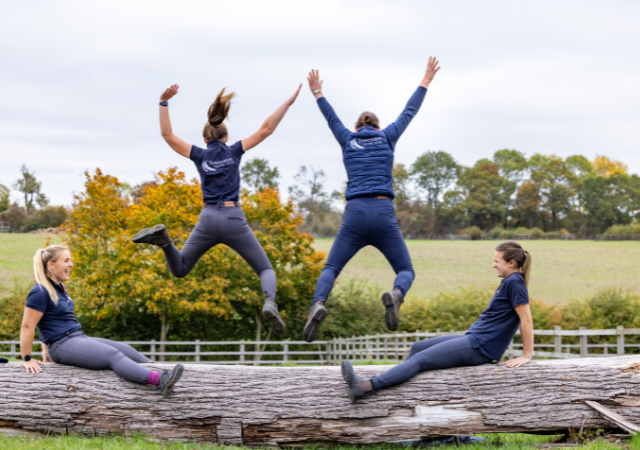
We are delighted to confirm that the TB Advisory Service is back in action with a new round of funding for on farm advice visits. Katie G, Nikki, and newly TBAS trained Katie P will be available for FREE visits to help pinpoint the best ways to prevent TB impacting your business.
For the first time TBAS visits will be open to all species affected by TB but will continue to focus on the 5 main control points:
- Restrict contact with badgers
- Manage feed and water to prevent contamination
- Stop infected animals entering the farm
- Reduce the risk from neighbouring stock
- Minimise the risk from slurry
The TBAS ethos, one which we fully support, is that TB is an infectious disease and risk can and should be managed in the same way as with any other disease – every farm is capable of making changes that will improve resilience to TB.
If you are interested in a visit, then please get in touch.

7 signs your dog needs a dental check-up
Many owners simply accept that their dogs have stinky ‘dog breath’, it is just part of owning a dog, right? As February is Pet Dental Health Month, Our Head Vet is here to tell you why bad breath is the most common sign that things are not as they should be inside your dog’s mouth.
Caring for your dog’s teeth
You should ideally care for your dog’s teeth daily, as you would your own, to help maintain healthy teeth and gums. We recommend checking your dog’s teeth regularly for any issues too, as with any health problem it is always better to start treatment early.
Pet Dental Health Month in February shines a spotlight on oral healthcare. At Towcester Vets, we strongly believe that the key to good oral health is owner education, as most of a dog’s dental needs will be taken care of at home. That is why our Vets are sharing the seven signs that your dog needs to see a Vet about dental care, so you know what to look out for:
- Bad smelling dog breath
- Red gums that may be swollen or bleeding
- Build-up of plaque around the gum line (clear/yellow soft substance)
- Tartar deposits (hard yellow/brown coating on teeth)
- Discoloured, misaligned, or broken teeth
- Your dog shows reluctance or aggression when you go near their mouth
- Reduced appetite and possible weight loss – this could be related to many other conditions, so it is always important to get your dog checked by one of our Vets.
Poor dental health can be painful for your dog and can make it difficult for them to eat and drink. It can also affect their general wellbeing, so it is best not to wait if you notice a problem.
Why dogs get dental problems
The most common root cause of many dental issues is a build-up of plaque and tartar deposits. Left untreated, they can lead to painful periodontal disease (the name given to any disease of the teeth and surrounding supports i.e., gums, ligaments, and bone.)
Some dogs are predisposed to dental problems. Tooth misalignment is a major issue, as it causes food, dirt, and bacteria to get trapped, making it hard to remove through natural means and home care. Factors for this include short-nosed dog breeds, congenital abnormalities (such as overbite/underbite), trauma, and adult teeth at odd angles due to baby teeth not falling out.
Another predisposing factor to dental issues in dogs is an unsuitable diet. Good quality dry food will help to remove plaque. You can also buy specific dental-care dog foods.
Can you improve dog breath smells at home?
Cleaning your dog’s teeth daily is the best action you can take towards achieving good oral health. Combine this with regular dental check-ups, the right food, and dental aids for even better care. However, when there is an underlying problem causing your dog’s bad breath, veterinary intervention is important to help your dog feel and smell better.
Our Vets suggest these 5 dental aids:
So, now you have read our advice, it is time to get up close and personal with your dog and their smelly breath to see if you can spot any of the signs above.
Limited supplies of Spectam this year
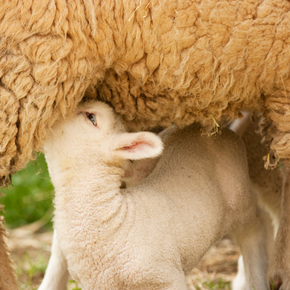
As many of you will be aware from the farming press, there is a limited supply of Spectam available this year. This is the only licensed product available for the prevention of watery mouth in lambs. Firstly, DON’T PANIC. We do have some stocks of Spectam available and we are able to use other products licensed in farm animals if these stocks run out. Spectam will be being allocated proportionally based on your use in previous years, with any requirements above this being met by other products.
This will not, however, include the antibiotic tablets licensed in small animals which were historically used. These do not have food residue data for all the ingredients contained within them and therefore cannot be used safely in farm animals. But don’t fear, there are other oral solutions available which can be!
Whatever the product, it is important to be aware that we should only be using these products in a targeted manner and treating every single lamb at birth is not acceptable. It is therefore really important to address the following points on farm to reduce the need for antibiotics in lambs.
Colostrum
Lambs are born with no antibodies and the only way to gain protection from infections is by absorbing these antibodies from good quality colostrum as soon as possible after birth.
Lambs should receive colostrum within 4-6 hours of birth and should receive 50ml/kg per feed and 200ml/kg within the first 24hrs of life. Be aware that lambs that have assisted births or are of low body weight are more likely to struggle and should be more carefully monitored. These lambs might be targeted for antibiotic treatment as they are more at risk.
The antibodies that colostrum contains can only be absorbed from the gut in newborn lambs so it is essential that they receive enough during this period. This ability starts to reduce from 6 hours after birth and is gone by 24 hours. The colostrum from the ewe will always contain a lot more antibodies than any powdered colostrum supplement so always try to milk out the ewe first. If this isn’t possible, try other freshly lambed ewes (by 24 hours after lambing, there are very few of the important antibodies left in the colostrum) or use any reserves of frozen colostrum you have available. Always remember to carefully defrost frozen stores, never use a microwave as you’ll destroy the antibodies we’re working hard to provide!
Colostrum can be kept in the fridge for up to 7 days and frozen for up to 6 months. Always remember to milk out ewes with clean hands or wearing gloves and into clean containers.
Hygiene
Ensuring lambs are born into a clean environment and aren’t challenged by lots of bugs soon after birth makes bacterial infections such as watery mouth much less likely.
As well as mucking out and disinfecting lambing pens between ewes, also consider the cleanliness of bottle feeding/tubing equipment and ensure they are cleaned and sterilised between lambs. Ensure ewes have clean fleeces and udders by providing plenty of bedding to ensure lambs don’t ingest bacteria when suckling. Often cases of watery mouth don’t appear till later on in the lambing period when the disease challenge is higher and it is likely that most farms won’t need to use antibiotics for the first lot of lambs born.
Ewe nutrition
For ewes to produce good quality colostrum, they need to be in a good body condition score and be receiving good nutrition. Body condition scoring during pregnancy is therefore vitally important. Separating ewes according to scanning results will help manage condition and you should aim for ewes to maintain body condition score 3-3.5 from around 6 weeks before lambing. Blood sampling for nutritional profiles in the 2-3 weeks before lambing starts can be a very useful way of ‘asking the ewes’ what they think of the diet and how well it is preparing them for lambing and colostrum production.
Please do get in touch if you’d like to discuss any of these points further. We are always happy to discuss individual circumstances and advise on the best way to target antibiotic use on your farm.
Worming (or not!) ewes at lambing
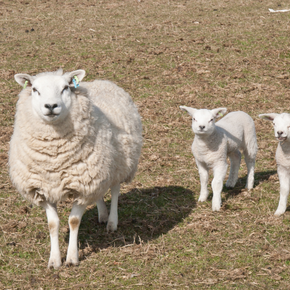
Traditionally, most flocks have wormed ewes at lambing. This practice is designed to combat the drop in immunity to worms that ewes experience from around 2 weeks before lambing to 6 weeks afterwards. By worming during this time, when ewes may be shedding more eggs onto pasture, we were aiming to reduce the levels of pasture contamination for new, susceptible lambs.
Only target thin or immature ewes for worming
HOWEVER! Recent studies have shown that this practice has limited effect on egg output onto pasture in adult ewes, especially those in good body condition score. It is therefore recommended that worming treatments are targeted only to thinner ewes or immature ewes (ewe lambs and shearlings). Previous advice was that 10-20% of ewes should be left untreated around lambing. While this is still a good target for a number of flocks, within the practice we are aware of a number of flocks now only treating a small number of ewes and some none at all! As treatment is targeted around body condition score, good grazing and nutritional management is key to reducing the need to worm.
When leaving a number of ewes untreated, make sure these are spread throughout grazing groups to reduce the selection for resistance. Selection for resistance will be increased if, for example, all single bearing ewes are left untreated but then all graze together in one group. Faecal egg counts can be used to assess the need to treat in flocks and these should be carried out very close to lambing or just after ewes have lambed to ensure we are testing during the drop in immunity.
Avoid using Cydectin products
Cydectin products should be avoided for ewes at lambing. Due to the persistent nature of these products, they are highly selective for resistance. If being used, they should never be used in repeated years for ewes at lambing, nor used again that year in any sheep on the farm. If they are used for worming then 10-20% ewes must be left untreated to reduce the selection for resistance and if sheep scab treatment is required later in the year, then dipping should be used rather than repeat use of Cydectin.
Red Tractor Standards Update
Red Tractor introduced a number of changes in November 2021 for Beef and Lamb standards which we would like to make our clients aware of.
In addition to the antibiotic and health and performance reviews we have already been completing, all farms must now have a farm health plan in place that is reviewed, signed and dated by their vet annually.
BVD control plans will be required from October 2022
For all cattle farms, this health plan must include details of how BVD is managed on farm. This is currently a recommendation but will be a full requirement in October 2022. For finishing units, it may be that you only buy cattle from farms that are testing for BVD. For any breeding herds, BVD testing of calves will need to be undertaken. There are a range of options to suit all units so please do give us a call to discuss this.
All Red Tractor farms must also now receive a visit from a vet at their vet practice at least once during the year. If a vet hasn’t been on your farm during the year, please let Debbie know when booking in a review session as it may be best to carry this out on farm rather than over the phone.
Medicine administration training requirement
At least one person who is responsible for administering medicines on farm must have a certificate of competence/attendance from training undertaken since October 2016. We are currently taking names of anyone who needs to complete this training and will be looking to run a course in the New Year. Please let Debbie know if you would like to be added to this list.
There are additional recommendations around pain relief for disbudding and castrating calves. The need for these procedures should reviewed and reduced where possible. Guidelines now state:
- In addition to local anaesthetic, additional pain relief (such as meloxidyl or pyroflam) is required when carrying out any disbudding or dehorning. Dehorning is only permitted by a stockperson up to 5 months of age.
- Cauterising paste is only allowed for calves under 1 week of age and the use of pain relief is recommended for beef calves and required for dairy calves.
- Pain relief (such as meloxidyl or pyroflam) is required if castrating calves using burdizzo techniques up to 2 months of age. Over 2 months of age, a vet is legally required to castrate calves.
There is also an updated appendix on what is and is not acceptable in livestock handling. Electric goads are not permitted and it is not permitted to:
- Strike or kick any animal
- Apply pressure to any particularly sensitive part of the body in such a way as to cause pain or suffering
- Lift or drag in any way that may cause pain or suffering
- Use prods or other implements with pointed ends
- Twist, crush or break the tails of animals or grasp the eyes of any animal
- Throw or drop animal
Please book a Red Tractor review session
As there are now additional requirements for documents to be produced before inspections, please do book in Red Tractor review sessions in plenty of time before your inspection and be prepared with completed health plans and health and performance reviews (templates can be sent out to be completed before your appointment). Please also remember that these are meant to be annual reviews, not ‘just before your inspection’ reviews! It is much better to review data at the same time annually to be able to compare data….and it means one less thing to worry about when the letter informing you of an inspection arrives!

Eco-friendly treats for overweight dogs
We are all for new year resolutions that will help pets and planet. Our dog-loving Veterinary team in Towcester have some thought-challenging ideas to share with you on the topic of dog treats.
Before we dig in, if you think your dog could be overweight, our nursing team can help. Book a weight check and get a body condition score, advice, and support for your dog’s weight-loss journey ahead.
What are overweight dog problems
Carrying excess weight will affect your dog’s health and quality of life. Overweight dogs can struggle with mobility, sore joints, and injuries. They are also at risk of developing diabetes and other serious health complications. A large contributing factor to weight gain is treats – to be more accurate, people giving dogs treats.
As January is a common time for new year weight-loss resolutions, we thought we would encourage pet owners to focus on their dog’s weight too… whilst trying to live more sustainably of course. Read our team’s top tips below for better treat options.
Seven dog treat ideas for 2022
- Dogs do not ‘need’ treats; there is an interesting thought! Here is another – your dog will not love you any less if you do not give them a treat. Be more purposeful with them i.e., use treats in training and to reward positive behaviour, such as recall on walks. Keep an eye on how many you are giving as they quickly add up when you are having fun.
- Your dog will still enjoy a treat if it is not of the high-calorie, artificially coloured variety. Choose a low-fat dry kibble to use as treats, or, switch to carrots, cucumber, apple (not the core), and other healthy fruit and vegetables that are not toxic to dogs. Here is a guide on fruit & veg your dog can eat from the PDSA.
- When buying dog food and treats from a shop check for eco-friendly packaging. Is it recyclable? Is there a better option? Also ask yourself, “does my overweight dog need it?”
- Avoid the pick & mix stand in your local pet shop as you cannot always check the ingredients and fat/sugar content and it is easy to get carried away. If you do use it, take your own tubs.
- If you are switching to carrots and other healthy veg & fruit treats, buy loose items without plastic packaging. Alternatively, why not buy some seeds and grow your own in Northamptonshire?
- Can you walk to the shop for treats? Lower your carbon footprint and give your overweight dog some exercise. You could also take a backpack to avoid plastic shopping bags.
- Have you thought about making dog treats at home? You would be in control of the ingredients and baking goods often come in recyclable packaging (flour, eggs, etc.). Search for ‘healthy dog treat recipes’ and grab your apron.
If you have any more tips for switching to healthier and more sustainable dog treats, we would love you to share them on our Facebook page to help other dog owners. Share on Facebook.
Not sure if your dog is overweight? Book a weight check with our Towcester nursing team and let us help you make 2022 a healthier year for your dog.
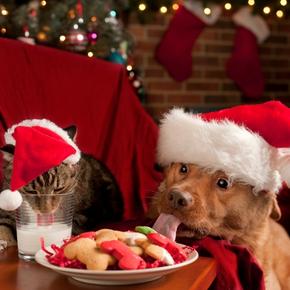
Pet-proof your home this Christmas to avoid these hazards
One of the best things about Christmas is the volume of yummy and exciting things around the house – and our pets tend to agree. Towcester Vets’ team of experienced veterinary nurses have pulled together a list of festive pet hazards to be aware of this Christmas. We also have a handy tick list to help you pet-proof your home and avoid these dangers.
Download our pet-proofing tick list
Just in case your cat, dog, or rabbit does get into trouble, we have included the symptoms to look out for below too. You can always call us in an emergency on 01327 350239.
13 Festive Pet Hazards
- Chocolate – This much-loved treat contains theobromine, which is poisonous to pets. Symptoms of ingestion include vomiting, diarrhoea, restlessness, hyperactivity, and seizures, which can be seen 4-24 hours after ingestion and in extreme cases can be fatal.
- Onions, Garlic & Chives – These contain thiosulphate, which is poisonous to cats, dogs, and rabbits whether eaten raw or cooked into meals. Signs of poisoning are seen 2-4 days after ingestion and include lethargy, breathlessness, vomiting, and diarrhoea.
- Alcohol – This is much more toxic to animals than humans. Ingestion of food or drink containing even small amounts of alcohol can cause vomiting, diarrhoea, co-ordination issues, depression, tremors, coma, and death.
- Raisins, Currants & Grapes – These fruits are toxic whether eaten alone or in cakes, mince pies, and other foods. They can cause kidney failure so do not give your pet any. Symptoms can take several days to appear and include loss of appetite, vomiting, diarrhoea, lethargy, and excessive drinking.
- Nuts – The fat in nuts can make them difficult for pets to digest. Swallowing nuts whole can cause internal obstructions and serious clinical problems. Macadamia nuts are toxic to pets and can cause weakness, depression, tremors, vomiting, and a high temperature. Signs develop within 12 hours of ingestion and can last 12-48 hours, but should be treated immediately.
- Fats, Spices & Seasoning – Poultry skin, pigs in blankets, roast potatoes, and gravy are usually high in fat (and some contain onion and garlic) and can cause pancreatitis in cats and dogs. Anything heavily spiced or seasoned can also cause problems, as your pet’s stomach is not used to it. Stuffing typically contains several harmful ingredients.
- Cooked poultry bones – Chicken and turkey bones especially become brittle during cooking and can splinter. This can cause injuries to your pet’s mouth, tongue, oesophagus, windpipe, stomach, or intestines.
- Poinsettia – The leaves of this plant contain a sap that is irritating to the mouth and oesophagus tissues. Ingestion causes nausea and vomiting. Poisoning would only occur if large amounts are ingested, which is unlikely due to the irritation.
- Holly – Another festive favourite, holly leaves and berries are toxic and if ingested will cause severe intestinal upset, resulting in vomiting and diarrhoea.
- Mistletoe – Ingesting the leaves or berries can cause mild signs of digestive irritation, such as drooling, vomiting, and abdominal pain. Large amounts can lead to more severe issues, including low blood pressure, abnormal heart rate, collapse, and seizures.
- Christmas trees – The oils produced by fir trees can cause irritation to your pet’s mouth and stomach, leading to excessive drooling or vomiting. The needles alone can cause great pain to your pet if eaten. The water your Christmas tree is sitting in contains bacteria, mould, and fertilisers from the tree that can make pets very sick.
- Christmas decorations & gifts – Anything your pet can break and step on, get stuck in, eat or drink (if not for them), or choke on is a hazard. Eating string and socks can cause severe stomach issues, and tinsel consumption can lead to dehydration, diarrhoea, lethargy, appetite loss, abdomen pain, pawing at the mouth, vomiting, and weakness.
- Essential oils – It is important to do your research as many oils are toxic to pets. If your pet has ingested, inhaled, or got essential oils on their paws or coat, they might appear depressed, unsteady, and have a low body temperature. In severe cases there may be vomiting and diarrhoea as well.
With all of these hazards in the home this time of year, our nursing team at Towcester Vets advise that it is best to be prepared. As well as keeping the above list to hand, be sure to grab our Festive Pet-Proofing Tick List for your home. By having everything covered now, you and your pets can safely enjoy the rest of the holidays.
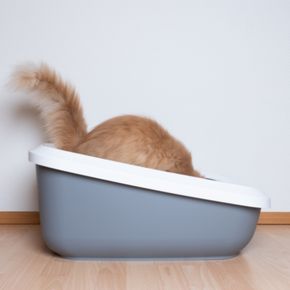
How to become a more sustainable cat owner
UK pet owners spend £7.9million a year on their pets according to the most recent figures published by the Office for National Statistics (2020). As we move into 2022, there has never been a better time to think about spending some of those pounds on more sustainable cat products. The team at Towcester Veterinary Centre have some ideas for you below.
If you are a cat owner in Northamptonshire, you can help others in your area by sharing your top eco-friendly cat products and tips on our Facebook page.
Share eco-friendly cat tips on Facebook
Our Burcote Road team have created two lists of helpful ideas to get you started.
Eco-friendly cat products
You can find a wide range of eco-friendly cat products on Amazon, and in pet shops and other online retailers. Here are three our team picked out:
-
Biodegradable cat litter
These contain natural raw and recycled materials that are biodegradable and much better for the environment. As well as being more sustainable, they also produce less waste, less dust, and have a good natural odour. You may have to do a bit of trial and error to see which your cat prefers though: biodegradable cat litter
-
Biodegradable litter tray liners
If you cannot do without your no-hassle-no-mess cat litter tray liners, then try switching to biodegradable ones. These liners come in recyclable packaging too: litter tray liners
-
Eco-friendly cat bowls
Bamboo cat bowls will last for years and are made without plastics and lacquers, meaning the materials used in manufacturing are much less harmful to the environment. Try these out for size: bamboo cat bowls. You can also get bamboo litter trays and poop scoops!
Eco-friendly cat owner tips
-
Recycle cat food pouches
We bet a lot of people throw cat food pouches away as they are not glass, plastic, paper, or metal. Check the back as many are now recyclable – remember to empty them first!
-
Make your own cat toys out of unwanted household items
String, toilet roll tubes and cardboard boxes will give your cat hours of fun! Why not get super creative and build your cat a home gym? You can still recycle this ‘rubbish’ when your cat is done with them.
-
Give your cat’s unloved toys away
If your cat has too many toys and no longer plays with them, ask a fellow cat owner if their cat might like them, or donate to a cat rescue centre.
We hope our article on how to be a sustainable cat owner has inspired you to do more research on the topic. If you have your own tips and eco-friendly products you use, remember to,

Dog owners need Towcester Veterinary Centre’s eco-friendly new year fitness ideas
“New year get fit” and “live more sustainably” – if these are your new year resolutions, our team at Towcester Vets have just the thing for you. Keep reading to discover some exercise ideas you can do with your dog, ways to stay motivated, and tips on being more sustainable at the same time.
If your dog is overweight, very young, a senior, or just not used to doing much physical activity, it is best not to do too much too quickly. Email us for advice on the right type of exercise for your dog.
New year fitness motivation tips
Sticking with a new year fitness challenge is much easier if you do not do it alone. Who better to motivate you than your dog? Dogs are almost always up for exercising with their humans!
Finding an activity that you enjoy together will also help with motivation. Why stick at just one? You will both benefit from a varied exercise routine as it gives overused muscles, joints, and ligaments a chance to rest and recover. It will also make your fitness journey more interesting and more likely to continue past the end of January for longer term benefits.
Six ways to get fit with your dog
- Upgrade your daily walk – A one-hour walk can burn up to 200 calories and can be very rewarding for you both. Warm up in winter months by exploring new routes that you and your dog can enjoy together. Have less time? You can also upgrade shorter walks by changing the speed, adding hills, using obstacles, and incorporating some play time.
- Doggy jogging – It might take a bit of training to get the pacing right and make sure you avoid tripping over each other, but dog jogs are a great bonding activity and exercise.
- Dog agility classes – Agility training is fun, energetic, and stimulating for both you and your dog. You can buy (or make) equipment for your garden, or start visiting a dog club or training centre with all the right gear. Search dog agility classes near Towcester, Weedon or Paulerspury or in Northamptonshire.
- CaniX (Canicross) – If you have not heard of this, CaniX involves running with your dog attached to a harness around your waist. There are running events countrywide, starting at 2K. Find out more about this activity and find a CaniX weekend event near you.
- Bikejoring – Also new to you? Bikejoring means you get on your bike and cycle while your dog runs ahead, pulling you in a harness. It is typically geared towards medium to large dogs, and is a high-intensity workout. Discover more about bikejoring.
- Doga – Doing yoga with your dog can benefit body and mind, for you both. Dogs pick up on human emotions and can suffer the same stress. Doga lets you spend quality bonding time being calm and reassuring your dog. Plus, yoga has been proven to be good for heart health in humans, so why not dogs too? Learn more about the practice of doga.
Six ways to make your dog activities more sustainable
- Can you walk to your activity location? Save on carbon emissions and get a warm-up.
- Use eco-friendly dog poop bags – biodegradable poop bags will help reduce plastic pollution, as will compostable ones (just don’t put these on compost used for food crops!)
- Did you know you can get eco-friendly dog collars, leads, and harnesses?
- Take a re-usable water bottle with you. Here are some eco-friendly options our Towcester team found at Ocean Bottle and wearthlondon.com
- Need new gear? Search for ‘sustainable sportswear UK’ and find a range of active brands.
- Instead of throwing away your old sportswear and dog leads, try donating them instead.
Why not invite friends and local dog owners to join you on your 2022 fitness journey? Just hit the share button in this article or copy the link to your Facebook page.
Remember, we are here if you want any further advice on this topic.

Why you need dog friendly days out in Northamptonshire this December
The run-up to Christmas is usually a busy time spent out and about shopping for gifts & decorations and seeing friends & family. But does this mean your dog has to spend more time home alone? Dogs thrive on attention and time with their favourite human companions. A bored and lonely dog can develop behavioural issues like destroying your belongings, excessive barking, and soiling indoors.
The solution? Dog friendly days out!
This way, you can spend time with your dog AND tick off your pre-Christmas to-do-list at the same time. Our Burcote Road team have listed some ideas for dog friendly places below; it’s a good idea to check the website and reviews to ensure they are dog friendly before setting off.
Share dog friendly places on Facebook
You can help other dog owners in and around Weedon, Paulersbury, and Stony Stratford, by sharing your favourite dog friendly days out on on our Facebook page.
Towcester Veterinary Centre’s top ideas for places you can take your dog:
- Cafés, restaurants & pubs – With so many dog-friendly options in Northamptonshire, why not persuade your friends to meet you at one of them so your dog can hang out too? Remember though, six hours sat under a table in a rowdy pub while you drink and talk with your friends isn’t ideal either. We suggest reading some reviews first to see if the establishment is a good fit for you all.
- Pet shops – Pottering around your local pet shop is a great way to make both you and your dog happy. While you’re buying pet products for your dog and as presents for your pet-loving friends, your dog can be basking in the heavenly smells a pet shop has to offer.
- Garden centres – Many garden centres these days are dog friendly and of course free to visit. You can often get some lovely Christmas gifts there and enjoy some tea & cake. Your dog will enjoy wandering around, taking in the interesting sights and smells.
- Markets & shops – Some fantastic Christmas gifts can be purchased at outdoor markets. Dogs are normally welcome but be careful if they are wary of large crowds. Plus, we bet there are more dog-friendly shops in Northamptonshire than you might think, where you can take your pal for a walk while you shop.
- Dog parks & countryside walks – Catch up with friends and family by going for a dog walk. Everyone gets some fresh air and exercise, and your dog gets to be by your side.
- Dog friendly attractions – You may be surprised how many places you can find to take your dog by searching for ‘dog friendly days out near me’. Perfect for that festive fix!
- Dog friendly holidays – If you’re planning a Christmas break, check out the wide variety of dog friendly accommodation on websites like Airbnb and dogfriendlycottages.co.uk research local dog friendly attractions before you visit too.
To ensure you are welcomed back to these places time and time again, our team recommends:
- Cleaning up and disposing of your dog’s poops.
- Keeping your dog on a lead (unless you see a sign saying otherwise) and under control.
- Being courteous to business owners and other visitors by not letting your dog eat or urinate on any goods, furniture, or decorations.
We hope you enjoy some fun times with your canine companion this Christmas. Don’t forget to share your favourite dog friendly places on our Facebook page.
Share your favourites on Facebook
If your dog has been spending more time home alone lately and you notice any unusual behaviours, book a Vet appointment with our team.