Help, my cat is having kittens! Read our pregnancy advice
Morning sickness, increased appetite, nesting…a growing abdomen…surely not? Indeed, your cat could be having kittens! Towcester Veterinary Centre’s head nurse Katy, has some helpful advice for unprepared owners of cat-mums-to-be.
What to do if you suspect your cat is pregnant
First, don’t panic. Look for other cat pregnancy signs: red and enlarged nipples, 1-2kg of extra weight, and changes in behaviour such as wanting more fuss. Weight gain can also be associated with other conditions so a health check would be sensible.
If you have your suspicions, or your cat doesn’t seem herself, it’s advisable to book a check-up with one of our vets. They will do an all-over health check, and may be able to confirm a pregnancy just 15 days into her term using ultrasound. By day 40, our vets should be able to tell you the number of kittens your cat is carrying. Cat pregnancies can vary from 61 – 72 days in total.
How to make your cat’s pregnancy comfortable
Be sure to ask us what to expect when your cat is expecting. From a cat pregnancy timeline, to safe flea & worm treatments and the birthing process, our experienced vets can help you get prepared. You will also need:
- More food: Pregnant cats eat around 25% more food especially in the last 3-4 weeks. Regular meals will help keep her and her unborn kittens healthy.
- More water: She should also have access to more fresh water whilst pregnant, birthing, and lactating. Keep this out of reach of the kittens during and post-birth to avoid drowning.
- A kittening box: Create a safe space in a quiet corner, away from family members and other pets. Line a large box or cat bed with clean blankets and sheets (have extra ready too). Introduce her to it at least 2 weeks before the impending due date.
- Loving homes: ‘Lucy’s Law’ means kittens can no longer be purchased from anyone other than a breeder, or animal shelter. It’s a good idea to start looking for suitable homes early in the process.
How could this have happened?
Many cat pregnancies are unplanned; think unneutered cats in the wrong place at the ‘right’ time. Until your female cat has been neutered, she is at risk of becoming pregnant from just 4 months old. Typically, between February and October, cats have multiple short ‘heat’ cycles and are ready to mate.
You wouldn’t think this, but cats can get pregnant whilst pregnant! Some cats continue to have heat cycles during their pregnancy, so they are at risk of being ‘successfully mated’ multiple times.
Neutering is the only sure-fire way to avoid your cat having kittens, and it can be done from around 6 months of age. Stopping your cat going outdoors and mixing with unneutered male cats is recommended too.
Is it dangerous for a kitten to get pregnant?
Cats should ideally be fully grown and healthy before they get pregnant – around 18-24 months of age. Any younger and there is a risk to your pet’s health as she has not fully developed herself. Carrying kittens will use up valuable nutrients needed for her own growth and development.
At Towcester Veterinary Centre in Towcester, we’re highly experienced when it comes to cat pregnancy and kittens. Our team is happy to help if you have any questions.
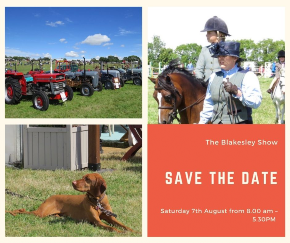
Blakesley Show – Save the date
Towcester Vets are delighted to be returning to the Blakesley Show on Sat 2nd August 2025 with our usual stand, in our usual spot, overlooking the main arena. We’d like to extend a warm welcome to clients old and new to come onto our stand for a chat and tasty refreshments.
SAVE THE DATE
Towcester Vets at the Blakesley Show
Blakesley Heath Farm
Saturday 2nd August 2025
Within our main stand we’re planning to have vets and nurses from our Small Animal, Farm Animal & Equine departments. The show opens at 8.00 and closes at 5.30 so please do make some time during your visit to pop over and say hello.
We’ll release details nearer the time of exactly what’s going on, on our stand. Meanwhile, as well as the delights of the Towcester Vets stand, the 3-4,000 visitors that are expected will be able to enjoy around 70 equestrian classes and a gymkhana as well as cattle and sheep classes (including an increasingly popular Young Shepherd section).
Our small animal team support the Dog Show on the day so there is plenty of entertainment to keep your canine friends happy!
We look forward to seeing you on the day.

Use Towcester Veterinary Centre’s list to beat the Guinea Pig Holiday Blues
Your accommodation is booked and you’re excitedly counting down the weeks until your summer holiday. Your guinea pig might not be quite as thrilled, however, about your upcoming trip…
Guinea pigs can become easily stressed by sudden changes to their environment or routine, which can present as irritability, aggression, depression, reduced activity, and self-mutilation. Our Burcote Road nurses have come up with a list of things guinea pig owners should consider when planning time away.
Share your pet’s holiday prep on Facebook
How to prevent Guinea Pig Holiday Blues
You can minimise stress by asking someone you trust to provide daily care for your guinea pig at your home while you’re away. Live-in care would be ideal, or at least two daily visits.
It’s helpful to think about whether your chosen pet sitter knows how to take care of guinea pigs if they’ve not done so before. Our list below covers what care guinea pigs need and will help you create a personalised ‘how to guide’ for their holiday carer.
10 things guinea pigs need while you’re on holiday
- Routine – Consistency can reduce potential stress so write down your guinea pig’s routine, including feeding times, exercise, and grooming. Any changes should be introduced gradually.
- A meal plan – Stock up on your guinea pig’s food and create a meal plan for the time you’re away, including treats. Ask your pet sitter to stick to the plan to keep your pet happy & healthy.
- Fresh water – Your pet’s water bowl/bottle will need changing daily so they always have access to fresh water. Bottles should also be checked daily for blockages.
- Summer care – If it’s going to be hot in Northamptonshire while you’re away, move the hutch somewhere cool, safe and well ventilated, away from direct sunlight. Guinea pigs need some carefully monitored time in natural sunlight (or under a UV lamp) to help them get the vitamin D they need. An outdoor playpen can be useful.
- Grooming – We can check if your pet’s teeth need filing and nails need clipping before you go, just ask our team. Long-haired guinea pigs especially need daily grooming to remove tangles, mats, and bedding from their hair – show your pet sitter how.
- Daily/weekly cleaning – To avoid harmful health conditions, your guinea pig and their hutch should be kept clean, dry, and free of excess dust. Replace soiled bedding daily. Gently clean & dry your pet’s bottom if needed with pet shampoo. Hutches should have a thorough clean weekly.
- Boredom busters – Boredom can affect your guinea pig’s health. Keep them occupied with enriching toys and challenges that enable them to mimic wild behaviours. Try hanging treat balls, tubes/tunnels, foraging trays, and digging boxes. Remember though, they’re not great climbers!
- Handle with care – Falls are a risk for small furry pets, particularly when being handled by someone new. Show your pet sitter how, keeping your pet close to the chest or lap for safety.
- Keep unneutered girls and boys apart – Ensure your sitter knows to keep ‘intact’ males and females apart unless you want to come home to expectant parents!
- Know the signs – Common guinea pig illnesses needing urgent veterinary care include:
- Flystrike – look for wet fur patches (incontinence), flies & maggots particularly on the rear.
- Not eating or drinking for 6+ hours – look for appetite/thirst loss, less stools/urination.
- Bacterial pneumonia – Look for respiratory distress, eye/nose discharge, sneezing, weight loss, depression.
We hope our list above helps your guinea pig have an enjoyable time when you go on holiday. Just in case there are any issues, see our contact and emergency pet care information here.
You could help other guinea pig owners by sharing your pet’s holiday preparation plans on our Facebook page.

Spotting & avoiding heat stress in cows in Towcester
As the environment in which we farm warms, our Northamptonshire farm vets thought they would write a brief article about the effects this has on cattle. Read about how a relatively moderate increase in temperature can combine with rising humidity to significantly impact the productivity, health and fertility of your herd; a condition we call ‘Heat Stress’.
If you’re worried about heat stress now, please contact Towcester farm vets for specific advice and guidance.
What causes heat stress in cows and what are the symptoms?
Heat stress kicks in when temperatures rise above 22oC and humidity rises. Under these conditions, cows are unable to dissipate their body heat effectively resulting in; reduced feed intake, reduced milk production in dairy cows, decreased immunity, and poor fertility.
Heat stress can occur in herds that are kept both indoors and outdoors. The good news is, there are some easy ways to recognise warning signs; these include cows panting, standing in the shade, or collecting around drinking troughs. The effects of hot and humid weather can be exacerbated by poor ventilation in cattle sheds, a lack of shade in grazing pastures, and insufficient access to fresh water.
Learn to predict the chances of heat stress
You can predict the onset of heat stress by keeping an eye on the local weather forecast in your area using the met office website. Compare your local conditions to The Temperature Humidity Index that you can see below. This table accounts for the combined effects of temperature and humidity and is a useful and easy way of assessing the likely risk of heat stress.

Heat stress prevention
Whilst you can’t do much about the weather, you can take some of the following measures to improve your herd’s chances of staying cool in warmer months.
For all herds:
- Make sure cows can easily access plenty of fresh, clean, drinking water.
- Feed your cows more often, and during cooler parts of the day.
- Talk to our farm vets about adjusting your herd’s diet.
Actions to take indoors:
- Ensure cattle sheds are well-ventilated.
- Lower the temperature in cattle sheds by installing fans and/or sprinklers.
Actions to take outdoors:
- Ensure grazing cows have access to shade.
- Consider bringing grazing herds inside during the hottest parts of the day.
If you think your herd may be suffering from heat stress, you can always call us. A member of our farm team can attend to give you specific advice and guidance.
You can contact our team on 01327 350239.

Causes of car travel sickness in dogs and remedies
Not all cases of travel sickness in dogs result in car seats being redecorated. There are other symptoms that show your dog is feeling unwell on your journey, and even before you start. Our experienced head vet, Catharina Arthurs, explains what to look out for, and how you can help your dog cope with car travel.
Visit our Vet Nurses for advice
Causes and symptoms of travel sickness in dogs
Travel, or motion sickness in dogs is more commonly seen in puppies and young dogs because the ear structures used for balance aren’t fully developed yet. Most puppies should outgrow motion sickness by the time they are about 12 months old.
Some older dogs, however, will start to fret as soon as you open the car door. A common reason for this is stress. If your dog is only ever in the car for a trip to somewhere they have associated with a negative experience, anxiety can lead to nausea and vomiting.
When it comes to the symptoms of motion sickness, Catharina advises dog owners to watch for any signs of inactivity, yawning, whining, excessive drooling, smacking or licking lips, and vomiting.
10 steps to treating motion sickness in dogs
If your dog suffers from sickness while travelling, don’t panic. There are plenty of steps you can take to minimise suffering.
- Take your pet back to basics to build up their tolerance level. Try just sitting in your car with them for a while, before embarking on a trip to the end of the road and back. Gradually progress a little further each time and give them extra praise after each session, so they associate car travel with a positive experience.
- Make the car journey as comfortable as possible; ensure your dog is facing forwards while travelling rather than looking out of side windows. Buy a dog seatbelt to keep them secure.
- Keep your vehicle cool and well ventilated. Lower windows slightly when the car is moving to balance air pressure in the car.
- Limit their food consumption before travelling.
- Give them their blanket and favourite toy in the car to try and pacify them.
- A natural remedy you can try for dog car sickness is placing a cotton ball with a few drops of lavender or chamomile oil on, inside your car 30 minutes before you set off. This fills the car with a soothing aroma. Be sure to remove the cotton ball so your dog doesn’t eat it.
- Spray a small amount of Dog Appeasing Pheromone inside the car. Ask us about this.
- Vary destinations so your dog doesn’t just associate car travel with vet visits, or wherever else they are uncomfortable. Why not throw in some trips to an exciting new park?
- Try using desentisation techniques at the places where your dog seems nervous (if it’s safe for them). For example, you can bring your dog to our Burcote Road clinic just to get a treat and some fuss from our team. Weigh-ins make good interim visits too. Several positive experiences in a row will help your dog learn that not all vet visits involve a thermometer up their…
- If your dog’s travel sickness isn’t improving, talk to Catharina or one of our vets about whether a prescription tablet could help. Never give your dog human travel sickness tablets.
Good luck, and we hope you enjoy an incident-free journey with your dog soon. If you need any further advice or support, we recommend making an appointment with one of our friendly Vet Nurses by calling 01327 350239.

How to find the right cat sitter in Northamptonshire
If you’ve booked a summer holiday but haven’t made arrangements for your cat yet, our head nurse has some advice for you.
Read all about homecare options below and download our handy checklist to help you remember what you need to do before you depart.
Download our cat holiday checklist
There are some excellent catteries in Northamptonshire but not all cats do well away from home. Stay-at-home cat care is an increasingly popular option but it’s important to get the details right for your cat. These are your homecare options:
- Daily visits can be carried out by a friend, neighbour or professional cat sitter. They’ll need to take care of your cat’s basic needs and ideally spend time with them too. Family members are a great option as your cat will likely be comfortable in their presence.
- Live-in care is a more focussed version of daily visits. It may be the better option if you have an anxious cat, they’re on medication, or you have several pets. Your pet(s) will have company at various times of the day and their routine can remain relatively unchanged.
You’ll feel better while you’re away if someone trustworthy and knowledgeable is looking after your cat and is checking your home is secure.
Top tip – Our head nurse recommends getting your cat microchipped before you go away (if they’re not already), in case they go missing. Add your cat sitter’s details to your microchip account online so they can talk to animal care professionals on your behalf. Book a microchip appointment.
What your cat needs when you’re on holiday
When looking for a cat sitter, we advise that you should check they’re able and willing to take care of the following:
- Regular visits at least twice daily.
- Your cat’s food & routine should be the same as if you were at home.
- An abundant supply of fresh water must always be available.
- Litter trays should be cleaned twice daily, especially during warm weather.
- Quality time spent playing or simply being with your cat.
- Flea & worm products applying or medication administering if required, and a trip to our vet practice if there’s a problem…
Common cat health issues that need a vet’s attention: male cats having issues urinating, deep scratches or animal bites, vomiting & diarrhoea for over 24 hours, heatstroke, breathing difficulties, not eating, swelling on the face or throat, eye injuries, severe or uncontrollable bleeding, poisoning, severe pain or a suspected fracture, seizure or collapse. You may want to print this for your sitter.
If it isn’t someone you know personally and you’re choosing a professional cat sitter, we recommend asking them about:
- References – Are they able to provide details of a few other people they have sat for?
- Insurance – Professional cat sitters should be insured – ask to check their documents.
- First Aid – Do they know pet first aid and the signs to look out for if your cat is unwell?
Now that you know what to look for in a cat holiday sitter, all that’s left to do is make sure you and your cat are ready for when you go away. Our cat holiday checklist can help you with this – download now.
If you have any tips of your own, you can always post a comment on our Facebook page to help other cat owners too.
Failure of Passive Transfer (FPT) in camelids
Crias are born with no antibodies, making them extremely susceptible to infection. Young camelids get important antibodies from the colostrum of their dam so ensuring they get their first drink is really important.
If your cria is standing within the first 30-60 minutes and nursing within 2-4 hours, then they should consume 10-20% of their body weight in the first 24 hours of life (equating to 700-1400ml for a 7kg cria)
Crias can fail to absorb antibodies for a variety of reasons but certain situations put them at higher risk. If any of the situations on the list below apply, then we recommend checking your new arrival for failure to absorb enough antibodies, called Failure of Passive Transfer (FPT).
- Low birth weight (<6KG in alpacas and <7kg in llamas )
- Evidence of prematurity (curled ears, unerupted incisors, socks on feet)
- Difficult birthing or caesarean
- Congenital defects (e.g. cleft palate)
- Maternal issues (first time mum, no bond between mum and baby, no milk, mastitis)
Crias should be weighed daily during the first few weeks of life and crias that aren’t thriving or aren’t putting on weight should also be assessed.
Crias with FPT are at risk of life threatening infections so it’s important we check early enough that we can correct the problem before this happens. We recommend checking when the cria is around 24-48 hrs old. The check is a quick and easy blood test that can be performed at the surgery. Crias who are shown not to have enough antibodies can then receive a plasma transfusion to boost antibody levels before infections can set in. If your herd does not currently have any plasma available then do let us know and register your interest for our next Blood Drive Day.
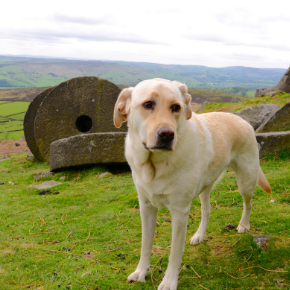
Towcester Veterinary Centre’s summer dog holiday recommendations
The UK is full of dog friendly holiday parks and destinations that your whole family can enjoy. However, with a huge increase in tourists expected to land in popular UK hotspots this summer instead of going abroad, it could be time to head somewhere a little different.
Towcester Veterinary Centre’s Burcote Road team has come up with their 5 best holiday destinations to go with dogs in summer 2021, that aren’t in Cornwall or Devon.
Why not share your favourite dog friendly holiday destinations with other owners on our Facebook page?
1. Dog Friendly Anglesey
Right on the tip of North Wales, Anglesey is a real treat. You and your pup will have over 125 miles of coastal paths to explore. Set your dog’s senses alight with walks through fishing villages, woodlands, over cliff tops, and head down to the many dog friendly beaches. Here are even more things to do in Anglesey with your dog: Dog Friendly Anglesey
2. Dog Friendly Northumberland
The northeast coast has it all – stunning scenery, long stretches of golden beaches, and an abundance of unique walking trails. You and your dog will be spoilt for choice. Northumberland’s all-year-round dog friendly beaches include Alnmouth beach, Boulmer beach, Beadnell Bay, and Embleton Bay. Further reading: Dog Friendly Days Out in Northumberland
3. Dog Friendly Peak District
The Peak District has so much to offer, including over 100 dog friendly pubs with refreshing drinks and hearty meals for after your adventures. Visit the Peak District National Park with your dog for a fantastic choice of walks. There’s the Monsal Trail between Chee Dale and Bakewell, and the challenging Kinder Scout, with Mermaid’s Pool and Pym’s Chair along the way. Check out these Dog Friendly Pubs in the Peak District
4. Dog Friendly Galloway & Dumfries
Southern Scotland is a beautiful yet often overlooked destination to take your dog on holiday. Choose from acres of forest, sandy beaches, river walks, and plenty of castles to explore. Dumfries & Galloway is an ideal place to stay, as it gives easy access to the surrounding areas. Read this guide on top things to do in Dog Friendly Dumfries & Galloway
5. Dog Friendly Brecon Beacons
This might not seem like your typical summer holiday destination, but the Brecon Beacons National Park is a hidden gem with so many dog friendly attractions and walks. Plus, it’s the perfect base to explore the Welsh countryside and places like Rhossili Bay on the south coast. There’s lots of dog friendly accommodation in the Brecon Beacons too. For something extra special, our team suggests looking at Sugar & Loaf Cottages
We’d love to know your favourite UK holiday destinations to take to your dog in summer. Why not pop over to our Facebook page and share them with our followers?
Post about your dog holidays on our Facebook page
Beware of five common summer dog diseases
Canine infectious diseases can be hard to avoid during summer as they spread where there are large concentrations of dogs. This could be at the park, on dog-friendly holidays, in boarding kennels, day care, and at dog shows.
Our head vet Catharina Arthurs, recommends that pet owners should know how to spot the symptoms of common canine diseases, but also how to prevent them. Vaccinating your dog annually reduces the risk of contracting most harmful diseases not only for your dog, but for other dogs as well. That’s why Catharina always explains the importance of vaccinations to pet owners in Northamptonshire.
If you’re not sure when your dog was last vaccinated, and you’re registered with Towcester Veterinary Centre, give us a call on 01327 350239 and we can check and book them in.
The facts about five dog diseases that are common in summer:
Kennel cough (canine tracheobronchitis)
- Airborne, highly contagious and infectious.
- Can be picked up anywhere infected dogs have been, not just in kennels.
- Symptoms of kennel cough: a dry hacking/honking cough, retching, nasal discharge, and lack of appetite in some dogs.
- Can progress to secondary pneumonia with a high temperature and lethargy – can be fatal.
Canine parainfluenza:
- Contagious respiratory virus in dogs that often leads to kennel cough.
- Spread via contact with an infected dog, shared food and water bowls, and bedding.
- Symptoms of canine parainfluenza: a cough, temperature/fever, nasal discharge, appetite loss, lacking energy.
- Sometimes mistaken for canine influenza, which is a different virus and less common.
Parvovirus:
- Unvaccinated dogs (especially puppies) can catch parvovirus from an infected dog, their faeces, and anything they’ve touched e.g., lead, bowl, bedding, human hands, clothes, other objects. The virus can live outside of the body for up to a year.
- Symptoms of parvovirus: attacks the intestines causing vomiting, reduced appetite, diarrhoea (foul smelling, bloody & watery), extreme lethargy, fever (hot or cold to touch).
- Can be fatal if left untreated, and sometimes fatal even if prompt treatment is sought.
Canine Coronavirus Infection (CCoV) – not related to COVID-19:
- Highly infectious virus, attacks part of the small intestine causing gastrointestinal issues.
- CCoV can remain in the body and be shed in faeces for up to 6 months. It can survive in the environment for a couple of days. Transmission is via exposure to an infected dog’s faeces.
- Stress and poor hygiene can make a dog susceptible to CCoV.
- It can be most problematic for puppies and dogs with other infections like parvovirus.
- Symptoms of CCoV: sometimes none, vomiting, diarrhoea, dehydration, depression, fever, appetite loss. CCoV can be fatal.
Lyme disease isn’t contagious, but it is the most common tick-borne disease in the UK. Lyme disease can be contracted by dogs, humans and other pets when bitten by an infected tick. Ticks are always around, mostly in grassy and heathland areas, but are most active in warmer months. It’s important to check for ticks after walks and keep an eye out for common symptoms: fever, lethargy, appetite loss, lameness, and joint swelling. Lyme disease can progress and become debilitating.
To combat these diseases there are two things Catharina recommends to dog owners: 1) know the symptoms, and 2) learn how to prevent them in the first place.
Thankfully, you can protect your dog from the above diseases by keeping them up to date with vaccinations, and parasite treatments for ticks.
If your dog is registered with us, our Burcote Road team can check if they are up to date with vaccinations and parasite control. To help you, both are included in our pet health plan – just ask our team for information.
As a side note, according to the RSPCA, imports of puppies doubled in the previous year last summer thanks to the ‘lockdown puppy trend’. Do you know someone who adopted a new pet in the last 12 months? You can help their dog and the wider dog population by encouraging them to check up on vaccinations too.
Rule Changes for herds that are tested for Johne’s
Our farm vet team want clients, whose herds are tested for Johne’s, as part of their CHECS health scheme, to be aware that there are some rule changes being brought in this Autumn that may affect their herd’s risk level.
From 1st October 2021, if either:
- More than 2% of animals tested, or
- More than 1 animal in herds of less than 50 animals tested
…tests positive for Johne’s disease on the blood test, then the herd will not be allowed to use follow up faecal testing to further confirm the status of these animals.
Why your herd’s risk level may change
Follow up faecal testing has often cleared blood positive animals from being classed as ‘reactors’. As the number of reactors is used to determine the herd’s risk level, then following this change, some herds’ risk levels may change.
Currently animals that test antibody positive for Johne’s (male or female) and their current offspring cannot be sold for breeding. From October 1st, this will extend to any calves the animal has given birth to in the previous 12 months.
These changes will ensure that Risk Level 1 herds are the lowest risk herds to buy from. It will also ensure that buyers can have full confidence in this status.
If you would like to discuss these changes in relation to your herd then please do get in touch on 01327 350239 or drop us an email and one of the farm team will give you a call back.