Four poisonous plants every Northamptonshire farmer should be able to spot
As a rule, most poisonous plants are unpalatable to livestock, however a lack of available food, dead or dying plants and the vagaries of individual animal behaviour make an awareness of the common plant poisoning cases we see in Northamptonshire a useful thing to have on your back pocket.
Rhododendron, Ragwort, Oak & Yew are four of the more common plants we see causing problems, in autumn and winter, as available pasture diminishes. Whilst our basic advice is to keep an eye on pastures, inspect field boundaries and where possible, move animals from fields where there is a danger … it doesn’t hurt to know what to look out for as farmers in the areas around Weedon, Paulersbury and Stony Stratford continue to have problems.
If you think you have a livestock poisoning issue, then please keep our emergency details handy.
The main problems we get in this area come from the following four species:
Rhododendron
An invasive species that’s now common in gardens across the UK, Rhododendron contains a poison that slows the heart and lowers blood pressure. Stock become weak and are unable to stand, ruminants often bloat up and then vomit. Poisoning is most common when snow cover reduces grazing. If you suspect Rhododendron poisoning call us, as we can treat with anti inflammatory medication and oral re-hydration.
Ragwort
Most common in the autumn and more dangerous to cattle than sheep, the greatest risk to cattle is from Ragwort in preserved forage that can be readily eaten but has lost none of its toxicity. Ragwort ingestion basically damages the liver, but symptoms usually begin to show when it’s eaten over time. This is actually good news (because you have time to spot the plant) as there is no treatment apart from removing the plant from the diet.
Oak
More likely after stormy weather when leaves and acorns fall and are eaten by animals. Leaves and acorns contain tannins that can bypass natural protection offered by rumen microbes and go on to damage kidneys and cells. Hard to spot but abdominal distention and the animal lying down are the main symptoms. There is no treatment, so the only option is to remove animals from the danger.
Yew
Common in gardens and churchyards, ingestion can lead to rapid death. Again, there is no treatment, so prevention is your only option. Inspect field boundaries and if there is un-movable yew, then be especially vigilant in winter, when heavy snow can cause boughs to sag bringing previously un-reachable branches into play.
There are a couple of other culprits you should beware of too; Bracken, Water dropwort & another plant from the Rhododendron family, Pieris. These tend to be more prevalent in spring and summer as young plants bloom & flourish. So, we’ll come back to those in the Spring.
In the meantime, keep an eye on those field boundaries and keep our emergency details handy.

Towcester Veterinary Centre’s top tips for cat toys and Christmas gifts
Christmas for our feline friends should definitely include some cat toys (who doesn’t like a toy for Christmas?!). But for the family moggy there are plenty of other things you might get them too. We have a selection of Christmas gifts for your pets in our reception but, in addition to these, our head nurse Katy called a short but inspirational meeting and here’s a longer list of inspiration that we came up with.
Ask about gifts we have in stock. Contact Us.
Our Cat Toy & Christmas Gifts Ideas
- Cat Toys – Cats love anything with catnip, especially if it’s small and moves. With our long-stay cat patients in Towcester we often entertain them with small squeaky mice stuffed with catnip.
- Food – Whatever you choose as a treat, do buy good quality, and don’t change your cat’s diet too quickly.
- Bedding – There are some great new bedding ideas around, so why not treat your cat to a comfier Christmas?
- Climbing frame – Cats just love to climb, so why not keep the Christmas tree safe and treat yours to its own specially designed climbing frame?
- Water fountain – These are great for encouraging cats to take more water on board, especially if they eat dry food or have bladder or kidney disease.
- Grooming tools – All cats like and need to keep their coat in tip-top condition, so what better gift than a new grooming brush? Katy and the team are the best people to advise you on brushes and combs. Call them for advice.
- Microchip or GPS collar – There are more ways than ever to keep tabs on our pets these days. Just google ‘GPS Cat collars’ and take your pick. Cool gadgetry.
If you need any advice on what’s suitable for your feline friend or if you’d like us to order anything special from our suppliers, please don’t hesitate to drop us a line.
In the meantime why not contact our reception team to find out what cat gifts we have in the practice today.

How to keep an arthritic cat comfortable at home
An arthritic cat is likely to be very uncomfortable and irritable, even more so as their condition progresses over time. Getting them diagnosed by a vet as early as possible will allow treatment to commence, with the aim of reducing pain and improving their symptoms. You can also help them live a more comfortable life by making some changes at home.
Call us on 01327 350239 for advice on arthritis
Feline arthritis (osteoarthritis) isn’t curable, but it is treatable. Causes include:
- Genetics – some breeds are predisposed to inherited cartilage weakness.
- Wear & tear – just a cat living a normal life.
- Injuries – joints damaged through trauma & dislocations can lead to arthritis in later life.
Symptoms to look out for include difficulty jumping or using the stairs, limping, constant or intermittent stiffness, more prominent shoulder blades due to muscle wastage (may look thinner in this area), over-grooming/licking certain areas or joints, swollen or hot joints, unkempt or matted fur along their back/bottom, and being a bit more grumpy than usual especially when touched.
Signs can be tricky to spot, can come on slowly, and be intermittent. If you think your cat could have arthritis, it’s well worth booking a vet health check to discuss treatment options. In the meantime, our head vet Helen has this advice:
7 ways to provide comfortable care at home for arthritic cats
- Comfortable beds – Put a selection of comfy beds around your home at different heights for your cat to choose from, remembering they may struggle when jumping. Orthopaedic memory foam beds and heat pads can be particularly helpful for aching joints.
- Raised food bowls – Reduce the need for your cat to bend down to eat and drink as this can be painful. You can buy raised bowls, or simply place something underneath their current bowls.
- Specialist diet – Specialist joint diets can help cats long term as they contain ingredients to support joint health. Talk to our team about how best to change your cat’s food slowly and safely.
- Weight watch – Being overweight will exacerbate already sore and aching joints. Keeping your cat slim will help to lessen the strain.
- Accessible litter trays – To help with mobility issues, use indoor litter trays with low sides and ensure they’re accessible on every floor of your home.
- Ramps & steps – Give your arthritic cat a little help by placing pet steps or ramps next to settees or beds if that’s where they’re used to hanging out.
- Keep warm – The cold affects arthritis so it’s important to give your cat a warm place to rest indoors as the autumnal weather sets in. Move beds away from draughts and gently dry their fur when they come in from the rain. On particularly cold days, place a heat-pad under your cat’s bed for extra warmth.
If you have any questions about feline arthritis and what can be done to help your arthritic cat, give our team a call. Contact Us.
Is your older dog suffering in silence from arthritis? Spot the signs
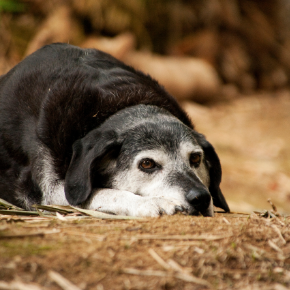
Unfortunately, many dogs suffer in silence as they get older. Unlike humans, who can explain when their joints are stiff and painful and that they’re struggling to get around, dogs with arthritis can’t tell us how they feel.
Many owners believe that their dog is slowing down because “they’re just getting older” and that “there’s probably not much that can be done now” to help them. Take our canine health assessment quiz to understand if your dog could have arthritis.
Take our health assessment quiz
Canine osteoarthritis affects 4 out of 5 older dogs and is one of the most common causes of chronic pain in ageing dogs (some young dogs can suffer from it too). It’s a degenerative condition, for which there is no cure. However, thanks to the advancement of veterinary medicines and treatments, dogs with arthritis can enjoy an active, albeit slightly slower, and happy life with a few lifestyle and environmental changes.
Ask Helen or any of our veterinary team for advice on how to help arthritic dogs. Contact us.
Is my dog ‘old’?
Dogs age at different rates, dependent on their breed, size, lifestyle, and general health. Typically, however, most dogs enter their ‘older’ years between the ages of 5 and 9. Helen explains potential changes in ageing dogs:
Six things you should look out for in your older dog:
- Slower on walks – lagging behind, wanting to sniff more, taking more rest breaks, or refusing to walk.
- Stiff when getting up from resting – stairs and getting on/off the settee may be more difficult too.
- Appears lazy – wants to sleep more and do less, not as keen to play or go on walks.
- Withdrawn demeanor – doesn’t interact with you and your family or other pets as much.
- More irritable than normal – gets grumpier more easily and dislikes being handled, may growl or snap.
- Excessive licking or chewing of sore joints – you may notice saliva stains on their fur.
Health checks for older dogs
Helen recommends regular health checkups for older dogs to ensure they’re getting the healthcare and support they need for their life-stage. Our vets can spot any issues and advise you on how best to treat and manage this life-changing condition through:
- Medication, supplements, and treatments available for arthritis
- Complementary treatments like laser therapy
- Environmental changes you can make in your home and garden
- Lifestyle changes to your dog’s routine and activities

Test yourself on the signs and symptoms of rabbit arthritis
Could my rabbit have arthritis? That’s probably the last question you think about when it comes to rabbits. However, osteoarthritis is actually quite common in older rabbits, and it can affect rabbits as young as two.
How would you know? As rabbits are ‘prey animals’ they hide pain to avoid looking ‘weak’ to potential predators. Towcester Veterinary Centre’s head vet Helen Pope has come up with a fun test to help you learn about the signs & symptoms of arthritis to look out for in your rabbit.
Take our rabbit arthritis test
What is arthritis?
Osteoarthritis, or arthritis for short, is a degenerative condition that causes inflammation of the joints. If your rabbit is over the age of 6 it’s likely they will have arthritis, which can be very painful and will affect their quality of life. Giant breeds tend to become arthritic at a relatively younger age than smaller breeds.
It’s not all bad news though, with the right combination of medication and veterinary care, arthritis in rabbits can be treated and managed to reduce the symptoms. Book a rabbit health check by calling 01327 350239.
What should I look out for?
The key to spotting the signs and symptoms of arthritis is to monitor your rabbit regularly to spot any changes or anything of concern. Keep a ‘rabbit diary’ and log your findings.
- After your rabbit has been laying still for a while, are their first few steps a bit wobbly? Do they appear stiff? Are they limping? These are all symptoms of arthritis, as well as other conditions so it’s important to get your rabbit checked out by a vet.
- Caecotrophs are soft pellets which rabbits excrete and then re-digest to absorb the nutrients they need. Can your rabbit reach to eat these directly from their bottom or are they scooting and then eating them off the floor?
- Is your rabbit’s bottom getting dirty or urine soaked more often? Arthritis affects mobility and rabbits aren’t able to angle their pelvis properly to wee, which can lead to bladder sludge or stones from not emptying their bladder fully. Plus, they may struggle to reach when cleaning and grooming.
- Does the cold or damp weather affect your rabbit’s ability and willingness to move around? Arthritic rabbits generally want to stay warm and do less, and can become withdrawn around you and other people and pets.
- Has your rabbit’s appetite shrunk or have they stopped eating and you can’t figure out why?
If you’re concerned about your rabbit’s health, especially if their appetite has changed (this could be related to other health conditions and should be dealt with quickly), give us a call on 01327 350239 and book your furry pal in for a health check.

Head nurse Katy Kirkham has some dark night poison advice for pet owners
The dark nights are starting earlier, and the temperature is dropping… Winter is coming. As we move through the seasons, head nurse Katy Kirkham, wants owners to be aware of how environmental changes and their own routine can potentially be hazardous to pets.
Note down our Emergency Number just in case: 01327 350239
Pest poisons – If you’re having a pre-winter tidy-up in your garden and shed, make sure rat poisons, slug pellets, and insect/weed killers are out of your pet’s reach.
Antifreeze – With winter on the way, now is when people tend to refill their cars with antifreeze, which is highly toxic, but surprisingly tasty to pets (especially cats). Clean up spillages thoroughly and keep the container in a cupboard or behind closed doors – remember, cats can climb.
Conkers & acorns – These common autumnal seeds of horse chestnut and oak trees are toxic to dogs. Whereas severe poisoning is rare, vomiting and intestinal blockages can happen if eaten.
Blue-green algae – Just because it’s Autumn, doesn’t necessarily mean it’s too cold for blue-green algae to survive. Be careful walking your dog near rivers, streams, and lakes in the dark when you may not be able to see the algae.
Toxic fumes & smoke – When it’s darker and colder outside, we tend to keep pets indoors for warmth and safety. However, standalone electric/gas heaters, open fires, and candles can be harmful to pets due to toxic fumes and/or smoke.
Bonfires – These won’t poison pets (unless you’re accidentally burning toxic materials on them), but they won’t do them any good if they inhale the smoke or have been napping underneath – always check before striking the match.
Flea treatments – Post-summer, pre-Christmas, can be a very busy time. If you own different types of pets, make sure you give them the correct flea treatments as they’re not ‘one size fits all’ and toxic poisoning can happen.
Share our dark night advice with your pet-loving friends and help to reduce the number of poorly pets this season.
If you do have a pet health emergency, call 01327 350239 straight away.

Autumn safety advice for Northamptonshire cat owners
The nights are getting shorter and the leaves are turning yellow, are you ready for the joys of Autumn in Northamptonshire? Now is the perfect time to prepare your cat for some seasonal changes.
From microchipping to changing mealtimes, our head vet Helen, has some Autumn advice for optimal cat safety:
Stay Visible – Pre-7pm sunsets kick in around the third week of September and that’s when vets typically see an increase in the number of cats brought in following road accidents. Invest in a reflective collar, and if you’re driving, take extra care to spot cats crossing the road in the dark.
Stay Connected – Microchipping your cat is probably the most important thing you could ever do for them. This quick & harmless procedure could help reunite you if they go missing, or are involved in an accident. All too often, vets have no way of tracing owners of cats brought in. It’s just as important to keep your cat’s microchip contact details up to date.
Stay Indoors – Move your cat’s mealtimes earlier in the evening to encourage them indoors when it starts to get dark. Also, hiding some of your cat’s toys and only bringing them out at night will make staying in seem like more fun than a night on the tiles.
Stay Alert – Some cats like to harness the autumnal warmth by sleeping underneath cars, on tyres, and under the bonnet. Give your vehicle a quick check-over before heading out and send sleeping cats on their way.
Stay Safe – As the shorter days return, so do the back-garden bonfires. Check for cats and wildlife before lighting your bonfire, and keep cats indoors more during firework season.
The takeaway messages in this article are to ‘THINK CAT SAFETY’ and to stay connected to your cat, this Autumn.

Our tips for choosing a cat sitter
There are some excellent catteries in Northamptonshire, but not all cats do well away from home and their normal routine. Stay-at-home care is an increasingly popular option but it’s important to get the details right for your cat. So, Katy Kirkham our head nurse, has put together a few handy tips and a handy checklist that you may find useful.
Download our cat holiday checklist
Types of holiday care for cats
Daily visits can be carried out by a friend, neighbour or professional cat sitter. They will need to ensure your cat/s has enough food / water and take care of their basic needs.
Live-in care is a more focussed version of daily visits, ideal if you have a few pets. Your furry friends will have constant company and their routine will be maintained.
In both cases, it can also be reassuring to know that someone you trust is visiting your home each day, checking everything is secure and everyone is healthy.
Whatever option you choose, you need to check with your selected cat sitter to make sure they’ll provide the following:
- Regular visits – Your cat should be visited at least twice daily.
- Meals – The food & routine should be the same as if you were at home.
- Water – An abundant supply of fresh water must always be available.
- Litter – Trays should be cleaned twice daily, especially during warm weather.
Choosing the right cat sitter
As your pet is one of the most important parts of your life, you’ll feel better while you’re away if you know that someone trustworthy and knowledgeable is looking after your cat.
Katy Kirkham recommends checking:
- References – If it isn’t someone you know personally, are they able to provide details of a few other people they have sat for?
- Knowledge – They should be able to spot signs of ill health and be aware of any specific issues that your cat may have. Plus, if your cat needs regular medication, they should be capable of administering it.
- Quality time – The person should be willing to play with your cat or simply spend time sitting with them, for company.
- Insurance – If your cat sitter is a professional, they should be insured – so check their documents.
No matter which option you choose for your pet, be sure to download our cat holiday checklist . If you have any questions you can always drop us a line on 01327 350239 or ask us on our Facebook page if you think they may be useful to other owners.

Choosing a kennels for your dog in Towcester
Since 2018, people around Northamptonshire who run dog boarding kennels, home boarding business and even doggy daycare must follow rules that focus on meeting the welfare needs of dogs.
Get the detail of what the law requires by reading our article blow and download our ‘Ten questions’ infographic and run through it with your kennel before you book your dog in for their next stay.
Get the ten questions you should ask every kennel
Dog boarding kennels
Kennels must provide a suitable environment, ensure they monitor behaviour and keep a record of your dog’s stay. Ask to see all of these.
As a minimum your dog must have:
- Their own kennel unit and sleeping area, accessible at all times.
- Sufficient space in that area for them to sit, stand at full height, lie down fully stretch out, wag their tail, walk and turn around.
- One daily, 20 minute walk, outside, ideally more.
- If appropriate, room to share with another dog from your household.
- Access to enrichment through toys and games.
The better kennels will offer more and longer walks, additional enrichment facilities and more staff interaction.
Home boarding services
Like kennels, home boarding businesses must provide a suitable environment, ensure they monitor behaviour and keep a record of your dog’s stay. Ask to see all of these.
Your dog must be:
- Accommodated within the home.
- They should have their own room where they can get away from other dogs.
- Things that do not count as rooms include… conservatories, garages, cellars, outside building/sheds, balconies or outside structures.
- They should get exercise that’s appropriate for their age and health, with the opportunity for at least one 20 minute outdoor walk a day.
As with boarding kennels, the better the home boarding the more exercise, enrichment and interaction will be available.
Doggy daycare
For a dog daycare business to be fully licensed, your dog must be:
- Assessed before they can go to the daycare provider to make sure they are not scared, anxious or stressed around other dogs and people.
- Able to access an area where they can go to the toilet when they want to.
- Able to access an area where they can avoid seeing people or other dogs if they choose to.
- Have its behaviour monitored
Daycare providers aspiring to even higher standards will also document the interactions your dog has with people throughout the day.
Get the ten questions you should ask every kennel
Do download our ten questions PDF and use it, along with the information above, to assess your care provider. If you feel these conditions are not being met, then we’d urge you to walk away (taking your dog with you) and look for alternatives.

Holiday care for small mammals in Towcester
When it comes to finding holiday care options for smaller pets in Towcester, the variables are a little more complicated than those for Dogs & Cats. This is basically down to the specialist care, handling and attention certain species require. There are a few common requirements that apply to most small mammals. These revolve around making sure they are appropriately vaccinated and healthy before you leave for your trip.
If you’re not sure of the vaccination status of your Rabbit, Ferret, Hamster or other small furry, then why not book them in with us for a small animal health check.
Book a small animal health check
In a way that leads us onto our second piece of general advice.
If you’re leaving your small pet for the first time and are looking for holiday help, then start your preparations early, especially if you have a relatively uncommon pet. Whilst there are an increasing number of holiday care options for pets (that are not cats or dogs) small mammal care tends to be harder to find and that means you’ll need time to prepare.
When it comes down to it, you’ll have three options;
- Ask family or friends to look after your small pet in your home
- Take your small furry to someone else’s home
- Take your small mammals to a professional boarding business
If you have a pet that does not require special care, is happy to travel and easy to transport; then the best and most obvious option is to have friends of family take your pet into their house. If you choose this option, do make sure your pet travels with easy to follow care and feeding instructions along with a note of our details (if they have an emergency or just need a little advice).
If you have pets that don’t like to travel, for instance rabbits, it’s best to keep them in your house and have someone visit. Again, leave care instructions.
If you have a pet which needs a little special handling, then make sure that whoever will be looking after them gets used to dealing with them before you go. Again, a bit of preparation is required here.
If you’re leaving your pet at a professional pet boarding facility:
- Check the provider out before your book and take up a few references.
- Make sure your pet is prepared for the journey to and from their holiday digs.
- Do send them with an ample supply of their favourite food and clear instructions on handling, routine and preferences.
Finally, if you have any exotic species, your best option is to network with owners of similar pets in the area and swap holiday care. Most exotics require a fair bit of specialist knowledge and it’s not really fair just to leave them with anyone (on the animal or the pet)
Don’t forget, if you do need any advice or help, you’re always welcome to call us on 01327 350239 and we’ll do whatever we can to assist.