New scheme promises recognition for TB free herds
A new TB scheme from CHECS called ‘The TB Entry Level membership scheme’ has recently been launched. The new scheme aims to engage participants in biosecurity measures that reduce the risk of a TB breakdown. These measures are recognised by the British Cattle Veterinary Association (BCVA), Defra and the Welsh Government to reduce the risk of TB entering your herd.
The new scheme requires farmers to comply with at least one biosecurity option from each of six different biosecurity Risk Factors, after an annual discussion with their vet. Our vets will undertake the approved training as soon as it is released, so all our clients can take part so please do let us know that you are interested.
The biosecurity risk factors that the scheme covers are:
- Risk Factor 1: Minimise TB risk from purchased cattle
- Risk Factor 2: Minimise TB risk from contact with cattle in other herds
- Risk Factor 3: Minimise TB risk from your own animals
- Risk Factor 4: Minimise the spread of TB through muck or slurry
- Risk Factor 5: Reduce TB risk to and from badgers
- Risk Factor 6: Have a TB failure contingency plan
Positive recognition for Bovine TB free herds
Membership of the scheme isn’t compulsory, but it’s very likely that participation will be recognised positively when purchasing as it demonstrates that your farm is engaged in protecting your herd from Bovine TB.
Members of the CHECS TB Accreditation Scheme, who adhere to further strict biosecurity measures, will also have to complete the risk factor review when they renew their status.
We think this is a really positive step that will allow herds to gain recognition for the hard work you have put in to protecting your TB free status. For even more information, please go to the CHECS website and if you’re interested in taking part, don’t forget to call us on 01327 350 239 or drop us an email to register your interest.

Quarantine measures to protect your flock’s productivity
We’re encouraging clients who are looking to buy new stock for the coming breeding season to take a little time to think about protecting the sheep you already have on farm with straightforward sheep biosecurity measures. Quarantining new sheep, as well as any of your own animals that are returning from time away from farm, will minimise the risk of introducing diseases that will negatively impact productivity.
In an ideal world, sourcing stock from accredited or monitored free flocks, listed on www.psghs.co.uk (with known MV, enzootic abortion and Johne’s status) will provide re-assurance that these diseases will not be an added extra with any purchase. However, where accredited stock is not an option, there are a few things you can do to identify issues before the new stock are mixed with existing flocks.
- A hands-on examination of stock prior to purchase, or at the very least as soon as they arrive on farm, can help identify issues before mixing with your own stock.
- When purchased sheep arrive on farm, they should spend the first 24 – 48 hrs in quarantine. That basically means in a clean yard with access to plentiful fresh feed and water. This ensures worm eggs already present in the faeces, which will not be targeted by anthelmintic treatment, do not contaminate pasture.
- A period of quarantine also allows checks to be made for ORF, pink eye, CODD, foot rot, and CLA. If we find anything amiss, then appropriate treatment or further testing can be implemented.
- Quarantined stock should be treated to remove any resistant gut worms. Using one of the novel wormers, Startect or Zolvix will maximise effectiveness of this treatment.
- Stock can then be turned out onto previously grazed pasture, diluting any resistant worm eggs that have survived treatment and ensuring these resistant eggs do not become the dominant species on the pasture. New stock should still remain isolated from the main flock at this point.
Protecting flocks against a scab outbreak
Purchased stock are the main source of scab outbreaks in existing flocks. The good news is that we have access to a blood test, which can identify this disease prior to clinical signs emerging. To get the best results from this test we recommend that new stock should have been on your farm for a minimum of 2 weeks prior to testing. At that point 12 of the new arrivals should be tested. If small numbers or individuals have been purchased, then treating for scab may be more economic than testing. If this applies to you, please contact us on 01327 350239 for advice.
Managing fluke risk & vaccinations
Fluke risks will vary hugely depending on where you purchased your stock from and the situation on your farm. There are many different treatments for fluke, but they do need to be used correctly to get maximum effect. Depending upon the individual risk factors both on and outside your farm, isolation may need to last from 3-6 weeks.
Regular flock health checks are the best time to discuss quarantine protocols as this gives time for purchases to be planned and managed to reduce risks.
Finally, don’t forget to make sure all vaccinations are up to date and, if you can, do avoid having animals with different health status mix at breeding and lambing times.
To book a regular flock health check or to get advice and help for new arrivals, please contact us on 01327 350239 or drop us an email and one of the farm team will be in touch directly.

Towcester Veterinary Centre’s post-lockdown puppy socialisation checklist
Like many people, did you try to socialise a puppy bought in lockdown and weren’t able to cover all aspects? Towcester Veterinary Centre’s nurses want you to know it’s never too late to socialise a puppy, or an older dog, and explain how below.
So you can get 1-2-1 puppy advice from our fully trained vet nurses, take a moment to register your new best friend and tell us all about them.
Puppy socialisation is an important part of early development, and helps them grow into confident and well-mannered adults. After 6-8 weeks of ‘training’ with mum & siblings, it’s over to you. Ideally, socialising a puppy should be done by 16 weeks. Socialising an older dog is still worth doing, just allow more time & patience. Our nurses have created this handy puppy socialisation checklist to help you:
Post-Lockdown Puppy Socialisation Checklist
- The basics: Build up to collar wearing in the house and lead walking in the garden. Once fully vaccinated, do daily walks around your neighbourhood (start with 5 mins for each month of age twice a day). Get them used to being examined all over at home, and bring them to see our Curcote Road team to get weighed regularly. Happy experiences will reinforce a positive association, before they need a veterinary procedure.
- At home: Check your puppy is relaxed and happy. Then let your puppy get used to seeing and hearing things like the washing machine, hoover, TV, hairdryer, doorbell/knocker, and post arriving through the letterbox. Toys can be used to introduce different movements and textures in a non-threatening way.
- Summer sounds: There’s lots for your puppy to get used to in the garden this time of year such as the lawnmower, kids playing, and the hosepipe. Your puppy can of course have fun outdoors, but what you don’t want is for them to be afraid or bark uncontrollably.
- People: Your puppy may not have had much interaction with people outside your household yet. Now they can get used to friends, family, different age groups, and people wearing face masks, hats and glasses. Don’t forget postal workers and people in high-vis clothing.
- Animals: Socialising your puppy with other dogs is very important. Stay close enough to remove your puppy from the situation if needed, but don’t overcrowd so they can build confidence. Most dogs will teach puppies what is/isn’t acceptable to them, and owners may ask you to leave their dog alone. When introducing cats, small furries, horses, sheep, and cows, go slowly and be careful. A calm puppy around squirrels & birds would be beneficial.
- Out & about: Get your puppy used to traffic, busy highstreets, pet-friendly shops, and the ice-cream van of course!
- Car travel: Use a dog crate or a harness and seatbelt. Build up to longer car rides now you can go further afield – remember water & toilet breaks. Ask us for help if this isn’t going well.
- Home alone: If you’ve spent a lot of time at home, your puppy could develop separation anxiety when you go out. Try crate training or dedicate a safe corner in a quiet room for your puppy’s bed. Leave them alone for a bit longer each time.
Towcester Veterinary Centre’s nurses recommend involving everyone in your household, including children. Plus, stay calm, be consistent, and keep sessions short & frequent. Try not to overload your puppy with new experiences all at once and always reward calm behaviour towards new things. Finally, stay strong and resist the urge to cuddle your puppy if they get wary.
For more helpful puppy socialisation advice, register your new puppy and book a chat with our nurses.

Towcester Veterinary Centre’s advice on post-covid cat obesity & separation anxiety
During COVID lockdowns, did you spend way more time than normal at home in Northamptonshire with your cat? Did you both eat more and do less? Chances are, weight gain and separation anxiety could now be an issue… for your cat.
You may need to help your cat adjust now that you’re returning to some kind of normality and leaving the house more. Our head nurse Katy has some advice on COVID cat concerns.
Get cat advice from our nurses
COVID Cat obesity:
Social distancing from your sofa, cat on lap, sharing snacks… sound familiar? Doing less and eating more leads to weight gain. If your cat is overweight, their quality & length of life can suffer. There’s no need to panic, Towcester Veterinary Centre’s nursing team can help.
Book your cat in for a weight check and body condition score review. Our nurses can advise you on the best foods for overweight cats, and ways to get your cat moving more.
COVID Cat separation anxiety:
You hear about dogs, but can cats get separation anxiety? Yes. Cats are often seen as ‘aloof’, but are in fact very attached to their owners. They’re typically not as vocal or destructive about it as dogs, which is why cat separation anxiety often goes unnoticed until it’s severe. It can be caused by change or a lack of stimuli, and when forming a dysfunctional bond i.e. prolonged time at home with you.
Anxiety in cats usually presents as behaviour issues:
- Your cat cries when you leave, loudly and excessively.
- They’ve started urinating on your clothes or soiling other areas indoors.
- Licking and self-grooming has become an obsession.
- Your cat has become clingy or takes self-isolation too far.
- Changes at mealtimes i.e. eating too fast or not eating.
- Vomiting & diarrhoea (common for other health issues, get checked if more than 24 hrs).
If your cat is displaying some of these new behaviours, it’s a good idea to get them checked by our team. Some health issues can also cause behavioural changes. If needed, our team can talk to you about getting support from an experienced pet behaviourist.
4 ways you can help your cat adjust after lockdown:
- Cut the snacks, but talk to our team before changing your cat’s main diet.
- Add more stimuli to their environment for when you’re not there – cat activity centres and toys can also help with weight loss.
- Designate time each day for playing and grooming – great for exercise and bonding.
- Ask us about using plugin diffusers that omit natural pet pheromones to soothe your cat.
If you’d like to chat about these topics or anything else, Towcester Veterinary Centre’s friendly nurses are happy to help. Talk to us about your cat.
Gareth shares advice on how to give newborn lambs the best start
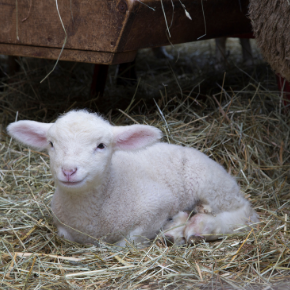
Keeping newborn lambs alive can be tricky. Statistics show that around 50% of newborn lamb deaths occur within the first 48 hours, and another 11% just 2-14 days later. With stats like these, head vet Gareth Keevill wants you to know how to give your newborn lambs the best chance of survival.
The two main causes of newborn lamb mortality are hypothermia and starvation, followed closely by poor hygiene and disease. Lambs are vulnerable because they’re often born into cold and wet conditions. They have limited energy reserves and a large surface area ratio to body weight, so they need to be dry and feeding quickly.
Lambs also have a very permeable gut lining that allows bacteria and toxins to easily enter the bloodstream. They don’t receive disease immunity through the placenta, instead, lambs rely on colostrum intake shortly after birth for this.
Gareth advises that these 7 things will give your newborn lambs the best chance of a healthy start in life:
- Always Vaccinate Your Flock – Protect against diseases that could affect both ewes and newborn lambs. Ask us about sheep vaccinations.
- Practice Good Hygiene – Clean a large pen thoroughly using DEFRA-approved disinfectant. Once dry, use plenty of clean, dry bedding for the new arrivals. Wear disposable, close-fitting protective gloves when lambing ewes that need help.
- Avoid Hypothermia – Ensure lambs are dried off quickly after birth. Try to intervene as little as possible, but you can towel dry and put the lamb in a warming box with warm air fans set at 35-37°C if needed. Warm it before feeding.
- Avoid Starvation – Lambs need to be up on their feet and suckling quickly. If the mother isn’t providing enough milk, you can take it from another ewe and tube feed.
- Prevent Disease – Within 15 minutes of birth, treat the navel cord with iodine solution to prevent naval disease. Also, make sure the lamb is getting enough colostrum (from its mother or taken from another ewe) for passive disease immunity.
- Bonding & Adoption – Use animal-safe spray paint to identify mothers and lambs and make sure they’re bonded. If the mother has died, or has given birth to triplets or quads, you can try to adopt some lambs to another ewe. Ask our vets about the best adoption techniques for lambs.
- Spring Feeding – When ready, the new families can be turned out into the field. Ewes can graze on fresh spring grass and be supplemented with sheep feed to aid milk production. Lambs can be given a special food called creep in lamb feeders.
If you have any questions about lambing, get in touch with our friendly team.

Spring grass and laminitis advice for equine keepers in Northamptonshire
What horse or pony doesn’t love grazing in a field full of lush green spring grass after the winter hay diet? Equine keepers in Northamptonshire should beware though of the connection between spring grass and laminitis. Andy Hayes explains why.
Spring grass is often thought to be the culprit in many laminitis cases. However, it’s actually caused by a combination of eating grasses laden with high amounts of sugars and starches, and hyperinsulinemia (high blood insulin levels) in horses and ponies with EMS (Equine Metabolic Syndrome) and PPID (Pituitary Pars Intermedia Dysfunction), also known as Cushing’s disease.
Why does spring grass trigger laminitis?
Spring grass is particularly concerning because the sudden increase in daylight kicks off photosynthesis, thereby generating NSCs – non-structural carbohydrates a.k.a. sugars & starches. On warm spring nights, the plant uses NSCs to fuel overnight growth and on cool nights, NSCs accumulate in the plant. When horses eat spring grasses, they’re consuming a much higher amount of sugar and starch than they need, which is bad for EMS and PPID sufferers, and can lead to weight gain.
Grass that grows in spring and autumn (warm sunny days and cool nights) is most problematic, however, with the unpredictability of NCS levels in grass, laminitis can be an issue all year-round. Equine keepers should therefore minimise the grass intake of any horse, donkey, or pony, with EMS and/or PPID.
What is laminitis in horses?
Laminitis is a painful condition that occurs when the laminae (thin vertical structures that attach the horse’s coffin bone to the hoof wall and prevent it from sinking or rotating) are damaged or inflamed and can’t prevent movement of the coffin bone. In extreme cases, the coffin bone can penetrate the foot.
Laminitis symptoms to look out for (may be subtle or obvious):
- ‘Footy’ behaviour
- Shifting in front
- A reluctance to walk, turn, or pick up feet
- Stretched white line
- ‘Rocking horse’ stance (their weight is shifted backwards)
If you’re concerned your horse could be suffering from laminitis, contact us to arrange a visit from one of our team.
You can always call us for more advice on 01327 811007.

A new dog owners’ guide to responsible petcare in Towcester
Given the number of people who got a dog during lockdown, National Pet Month could not have come at a more appropriate time for this article. What better time to gently remind new owners that along with their wonderful new companion come a few responsibilities?
Our head vet Helen and the team have listed a few need-to-knows for new owners . We’ve also included a link to a really useful download from the Dog’s Trust, that we think you might want to share.
Get the Dog’s Trust ‘New owner’ Ticklist
So, here are our top tips on how new dog owners can meet their responsibilities safely and appropriately…
1. Understand your legal responsibilities
Owners must ensure their dogs are safe at all times and not creating a nuisance or danger for anyone else. Your dog must have a collar with an identity tag that must clearly state your name and address (and ideally a phone number). It is also now a legal requirement that your dog is microchipped. Finally, don’t forget that, according to The Highways Act, dogs must be suitably restrained when travelling in cars.
2. Guidelines to follow when you’re out
- Always carry poo bags, use them & dispose of used ones appropriately
- Plan ahead to check that your dog can accompany you wherever you’re going
- Never leave your dog unattended in a car – even in winter
- Keep your dog on a lead whenever there’s livestock within sight
By showing consideration for the communities around Towcester, you’ll be ensuring everyone enjoys your pooch as much as you do.
3. Professional healthcare for your dog
We obviously believe that some level of veterinary care is essential for every dog. If you’ve taken the trouble to register with us, then you can expect us to keep your pet’s vaccinations, worming, flea and tick treatments up to date during regular check-ups. If you know someone with a dog who’s not registered with a vet, then why not share this story with them.
4. Home healthcare
There are certain things you can do at home to keep your pet in good condition between check-ups. Grooming your dog helps to keep their coat clean and healthy. Dental hygiene is important too, so teaching your dog to have their teeth cleaned is worthwhile. Getting your dog used to being around people, handled, brushed and if needed, having their nails clipped, encourages their socialisation and can be a great way to bond.
5. Maximising your dog’s wellbeing
Providing a healthy, happy, safe and secure environment is an investment that will pay you back handsomely, so understand that …
- A ready supply of fresh water for your dog is essential
- Feeding them a balanced diet, will provide for their nutritional needs
- Giving your dog their own bed in a quiet spot gives them a chance to relax
- Dogs benefit from having a basic structure to their day. Try and stick to the same routine for feeding, toileting, playtime & walks.
- Dogs are social animals, so, find out what type of contact your dog likes and enjoy regular time with them.
Those are just the basics, don’t forget the team at Towcester Veterinary Centre are here for advice whenever you need it, just drop us a line on 01327 350239.
In the meantime, please do share this article with any new dog owners you know and let’s mark National Pet Month by helping everyone enjoy their new furry friends.
Towcester Veterinary Centre in Northamptonshire offer support with canine cancer
When it comes to your beloved pet dog, hearing the word ‘cancer’ can leave you feeling completely helpless. Towcester Veterinary Centre’s team of veterinary surgeons want you to know that you’re not alone – they’re here to help you understand and cope with canine cancer.
There are several common canine cancers including mast cell tumours, brain tumours, lymphoma, bladder cancer, mammary carcinoma, mouth & nose cancer, melanoma and testicular cancer. Here are some quick facts:
- Cancer mostly affects middle-aged & older dogs but young dogs can get it.
- Other health issues, such as obesity, can be a factor with some cancers.
- Unneutered dogs and some breeds are more susceptible to certain cancers.
Only a vet can diagnose canine cancer so it’s important to keep up with 6-12 month health checks wherever possible. Spotting canine cancer can be very difficult sometimes and will depend on many factors. The most common symptoms are:
- Lumps and bumps underneath your dog’s skin.
- Abnormal odors coming from the mouth, ears, or any other body parts.
- Abnormal discharge from the eyes, mouth, ears, or rectum.
- Abdominal swelling.
- Wounds or sores that won’t heal.
- Sudden weight loss and failure to regain the weight.
- Change in appetite.
- Coughing or difficulty breathing.
- Lethargy or depression.
- Changes in toileting habits.
- Evidence of pain.
When treating canine cancer, different factors will influence the options: age, overall health, the type of cancer and it’s behaviour, and the stage it’s at. Cancer therapies for dogs are similar to human treatments – surgery, chemotherapy, radiation therapy, and holistic & herbal therapies can benefit in some cases.
Not all dogs can cope with, or will respond to treatment. It’s also important to remember the long-term prognosis and quality of life your pet can expect during and after any treatment.
At Towcester Veterinary Centre in Northamptonshire, we’re here to support you and your pet every step of the way. If you have any concerns, contact us for advice.
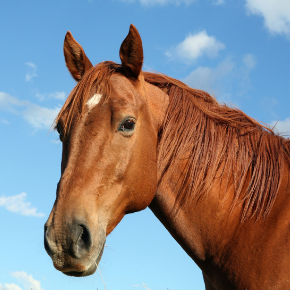
Read Towcester Veterinary Centre’s advice on equine flu
Equine flu, or equine influenza, is a highly contagious viral respiratory disease. Symptoms can be severe, so it’s important to know when to contact your vet.
Horses can catch equine flu via direct contact with an infected horse, and via indirect contact with a handler or inanimate objects like feed buckets and equipment. Equine flu can also become airborne when a horse sneezes infected droplets.
The incubation period is 1-5 days so it can spread very quickly through your horses, neighbouring stables, and those further afield. Given the right weather conditions, airborne equine flu can travel several miles, putting all UK horses at risk.
Because equine flu is so contagious, Towcester Veterinary Centre’s expert team recommends contacting your vet as soon as you have any suspicions. You should also isolate your horse and keep their environment as dust-free as possible.
Clinical signs of equine influenza:
- Increased temperature (up to 41°C/106°F) for 1-3 days before visible signs.
- Swollen & sore airway, and a harsh, dry cough that can last up to 6 weeks.
- Nasal discharge that starts clear and can become yellow/green and thick.
- Loss of appetite and lethargy.
- Painful and swollen glands underneath and around your horse’s jaw.
The influenza virus is not to be underestimated. It can weaken a horse and leave it vulnerable to secondary infections like bronchitis, pneumonia, lower limb swelling and muscle soreness. These are very worrying in young foals, elderly horses, and horses with pre-existing respiratory conditions. Death can occur in serious cases.
It can take many weeks for a horse to get back to full health, and they can be susceptible to secondary complications up to 100 days post-infection. You should always consult your vet before returning your horse to regular duties.
How to protect your horse against equine flu
The best way to give your horse protection against equine flu is to stay up to date with annual vaccinations – missing even one day puts your horse at more risk and could mean starting their vaccination course again, which can be costly.
The equine flu virus has a habit of mutating so keeping vaccines up-to-date with the latest strains can be challenging. This does mean that vaccinated horses can become infected, however, the symptoms aren’t as severe and don’t last as long. Vaccinating is still the best way to give yours and other horses the best protection. Maintaining a good level of health & hygiene management can also help to stop the spread.
Call us on 01327 811007 if you suspect equine flu or to book a vaccination.

Clostridial disease advice for Northamptonshire sheep and lambs
Clostridial disease is the most common cause of sudden death in UK sheep and lambs, and a serious threat to farming. Towcester Veterinary Centre’s large animal veterinary team in Northamptonshire has answered your frequently asked questions about it below.
What is clostridial disease?
There are 10 important strains of bacterial clostridial disease including the list below. It’s not the bacteria that causes death, it’s the spores that multiply and produce toxins when ingested. The threat is everywhere as the bacteria is found in soil and in the intestinal tract of animals and humans.
- Lamb Dysentery – Lambs typically die showing no clinical signs.
- Pulpy Kidney – Seen in 4-10 week-old lambs born to unvaccinated dams.
- Braxy – Characteristically occurs in unvaccinated, weaned lambs in winter, after eating frosted root crops.
- Tetanus – Can be more prevalent on farms with horses; hind leg stiffness, difficulty walking, seizures, opisthotonus, death from respiratory failure.
- Blackleg – Caught through skin wounds, dog bites, shearing cuts, untreated umbilicus, trauma to the posterior reproductive tract, and via contaminated needles/injection equipment.
- Black disease – Toxins in the liver cause migrating liver fluke damage/death.
What are the symptoms of clostridial disease?
The first sign of clostridial disease is usually dead sheep or lambs as the onset is so quick – death occurs within hours. Each type of clostridial disease will present differently, however, clinical symptoms include scouring, abdominal pain, collapse, hind limb stiffness, convulsions, and a high temperature.
How do you treat clostridial disease?
Unfortunately, as most infected animals will be found dying or dead, the only antibiotic to kill the bacteria (penicillin) is usually ineffective. Therefore, vaccinations are vital to protect your sheep & lambs from these devastating diseases.
When can you vaccinate sheep & lambs against clostridial disease?
Newborn lambs are given passive immunity via a vaccinated mother in the first milk (colostrum). The mother can be boostered with a 5-in-1 vaccine approx. one month before the due date to increase the offspring’s length of protection. Antibodies can be added to the colostrum until the lamb is old enough to be vaccinated, which is around marking time when the mother’s milk production is dwindling.
Active immunity requires a primary vaccination course consisting of two doses 4-6 weeks apart. A booster vaccine for clostridial disease should then be given no later than 12 months after the primary course, and repeated annually.
Clostridial Vaccinations – are you covered? Contact us to book your next round of vaccinations.