Why Give Your Children Pet Care Tasks Now
April is National Pet Month, making it the perfect time to teach children how to care for their furry friends! Whether you have a dog, cat, rabbit, guinea pig, or small pet, involving kids in their daily care helps build responsibility and strengthens their bond with animals. Here’s how children can take on pet care tasks in a fun and rewarding way.
Book an appointment with Towcester Vets’ nursing team and we´ll help guide your children on how to handle, groom, and feed your pet safely.
Tips to teach children to help with family pet care
Dogs: walks, playtime, and basic training
Dogs thrive on routine and attention, making them great pets for kids to help with. Children can:
- Join in on walks around Northamptonshire – Even little ones can help hold the lead (with adult supervision).
- Play games – A game of fetch or hide-and-seek keeps dogs entertained and stimulated.
- Help with training – Teaching simple commands like ‘sit’ and ‘paw’ is great for both child and pet!
Cats: feeding, grooming, and fun activities
Our Towcester Vets’ nursing team explain how cats may seem independent, but they still need care and interaction. Kids can:
- Refill food and water bowls – A simple but important daily task.
- Help with brushing – Some cats love a good groom, and it’s a great bonding activity for your children.
- Play with wand toys – Encouraging natural hunting instincts keeps cats active and engaged.
Rabbits: cleaning, handling, and enrichment
Rabbits need daily care to stay happy and healthy. Our team at Towcester Vets advise that children can:
- Top up hay and fresh greens – Learning about a rabbit’s diet is a great lesson in pet care.
- Gently handle them – With supervision, kids can learn how to safely pick up and cuddle their bunny.
- Set up tunnels and toys – Encouraging exercise is key to a rabbit’s wellbeing.
Guinea pigs & small furries: feeding and social time
Guinea pigs, hamsters & other small pets need gentle care. Children can:
- Provide fresh vegetables – Teaching kids about healthy diets can start with pet care!
- Clean cages (with help) – Cleaning bedding keeps their habitat fresh.
- Talk to them – Guinea pigs love a chat, and hamsters enjoy gentle interactions.
Getting kids in Towcester involved in pet care helps them develop empathy and responsibility while making life easier for you! Book a nurse appointment and our team at Towcester Vets will gently guide your children on how to start sharing the care of your pet.
Get Our Guide to Fun UK Dog-Friendly Days Out
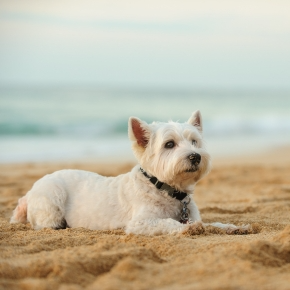
Looking for new adventures with your four-legged friend? The UK is packed with exciting dog-friendly experiences, from scenic days out to quirky attractions. Whether your pup loves exploring, relaxing, or making new furry friends, here are some top dog-friendly outings recommended by Towcester Vets’ team across England, Wales, and southern Scotland.
While you´re planning your trip, book a vaccination and health check at our vet practice in Towcester to ensure your dog is fit and ready for fun trips!
Adventures await! Fun experiences for you and your dog
Our team in Towcester have researched some amazing dog-friendly trips around the UK and below is a round-up of their favourites. If your dog is confident out and about and likes trying new things, they may well love Towcester Vets’ list of days out below.
Take your dog for a ride on a ferris wheel
Stratford-upon-Avon, England: Yes, you read that right! The Stratford Big Wheel welcomes well-behaved small to medium sized dogs, giving them a bird’s-eye view of Shakespeare’s hometown. It’s a unique way to enjoy the scenery together, and let’s be honest – who wouldn’t want to see their dog’s reaction to a ride in the sky?
Run free on Rhossili Bay beach
Gower Peninsula, Wales: Consistently ranked as one of the best beaches in the UK, Rhossili Bay is a dream for dogs who love zoomies in the sand. Head out of Northamptonshire with your pup and enjoy this vast, golden dog-friendly beach all year round, with stunning coastal walks nearby for more adventure.
Explore the dog-friendly grounds of Floors Castle
Scottish Borders In Kelso, Scotland, Floors Castle offers a fantastic day out for dogs and their owners. While pups can’t go inside, they’re welcome to explore the spectacular grounds and gardens on a lead. There’s even a dog-friendly café to refuel after a long walk.
Hop Aboard a steam train in the Lake District
Cumbria, England: All aboard! The Ravenglass & Eskdale Railway lets you and your dog enjoy a nostalgic ride through the stunning Lake District countryside. Pups can relax in the carriage as you take in the views of valleys, rivers, and fells.
Visit a dog-friendly cinema screening
Nationwide Cinemas like Picturehouse and Curzon occasionally host dog-friendly screenings, where you and your pup can enjoy a film together. Expect comfy seating, dimmed lighting, and a relaxed atmosphere – perfect for movie-loving pups!
Planning an adventure?
Hopefully the ideas above have given you some inspiration and incentive to get out on an adventure with your dog. Before you head off, book a check-up and our vets in Towcester will ensure your dog is ready to explore!

Towcester Vets Shares Signs of Joy in Cats, Dogs & Small Furries
April is National Pet Month, and what better time to check in on your pet’s happiness? How do you know if your pet is truly content? According to Towcester Vets’ team, below are some key signs of a happy pet, whether you have a dog, cat, rabbit, guinea pig, or another small furry friend!
If you´d like to talk about the health and contentment of your pet, just contact us at Towcester Vets and we´ll be happy to advise!
Tell-tale signs that your pet is content and happy
Different animals express joy in different ways and whilst it´s sometimes obvious that your pet is excited, there are other signs of contentment you may not be aware of. Our team give us the lowdown on just what our furry friends in Towcester are trying to tell us.
Happy dogs: wagging tails and wiggly bottoms
A happy dog is easy to spot – they often greet you with a wagging tail, relaxed body language, and a big, goofy grin. Other signs include:
- Playfulness – Eager to fetch, tug, or roll around.
- Relaxed body language – Soft eyes, a loose posture, and a gentle wag.
- Contented sighs – Dogs often let out a deep sigh when they’re happy and comfortable.
Purring and play: a happy cat’s secrets
Cats may have a reputation for being mysterious, but as our vets in Towcester explain, they have clear ways of showing happiness:
- Purring – The classic sign of feline contentment.
- Kneading (or “making biscuits”) – A sign of comfort and affection.
- Tail held high – A confident, happy cat often walks with their tail up and a little curl at the tip.
Binky time! Happy rabbits on the move
Towcester Vets’ team tell us that a happy rabbit doesn’t just sit around – they express joy in dramatic ways! Look out for:
- Binkies – Sudden joyful jumps and twists in the air.
- Zoomies – Running around with excitement.
- Gentle tooth grinding – A rabbit’s version of purring, often while being stroked.
Guinea pigs and small furries: tiny signs of joy
Guinea pigs, hamsters, and other small pets have their own ways of showing happiness:
- Popcorning (Guinea pigs) – Little jumps of excitement, often during playtime.
- Chattering (Guinea pigs) – Happy squeaks and chirrups when they see you.
- Exploring and playing – A curious pet is usually a happy one.
If your pet seems relaxed, playful, and eager to interact, you’re doing a great job keeping them happy! Contact us at Towcester Vets for more advice on how to ensure your pet stays happy and healthy all year round in Northamptonshire.

Towcester Vets’ Team Share Spring Edible Pet Garden Tips
What better way to welcome spring than by starting an edible garden for your pets? March – April is the ideal time to sow seeds and prepare your garden, ensuring your pets can enjoy safe, fresh, and nutritious treats straight from home.
Rabbits, guinea pigs, and other small furry pets can all benefit from carefully chosen greens and herbs, adding variety and enrichment to their diet. Towcester Vets’ team have prepared a step-by-step guide for a foraging edible garden.
Download Our Edible Foraging Garden Guide
When planning your pet’s edible garden, there are two approaches you can take: one for harvesting and one for foraging. According to Towcester Vets’ nursing team, both offer unique benefits and can be tailored to suit your pet’s specific needs.
Choosing the right edible garden
Option 1 – A garden to harvest from
Create a space in your Northamptonshire garden to grow pet-safe vegetables and herbs. This approach lets you harvest fresh, chemical-free foods while enjoying the rewards of gardening. Some great options include:
- Carrots: A vitamin-rich favourite for rabbits and guinea pigs.
- Mint, parsley, and basil: Aromatic and safe herbs for rabbits and guinea pigs.
- Cucumber: Refreshing and hydrating for small pets.
- Bell peppers: Full of vitamin C and suitable for many pets, including guinea pigs.
Always wash produce thoroughly before offering it to your pet and introduce new foods gradually. For guidance on portion sizes or balancing their diet, speak with our nurses.
Option 2 – A foraging garden
Foraging gardens let pets enjoy an interactive experience by mimicking natural behaviours. Rabbits and guinea pigs can enjoy troughs or pots of fresh greens placed in their run. Keep the garden out of reach when not in use to avoid overindulgence.
Our veterinary nurses in Towcester advise that for smaller pets, like hamsters or gerbils, you can create a foraging box with edible plants such as dandelion leaves, sunflower seeds, or small amounts of broccoli, rosemary, and blueberries.
Get growing this March & April
Planting in early spring ensures your edible garden thrives as the weather warms in Northamptonshire. Always remember to research safe foods for your pet type and offer new foods in small doses to avoid tummy upsets. Plus, rotating crops or using multiple planters will maintain a steady supply of fresh treats for your pets throughout the season.
And remember, gardening with pets isn’t just about food – it’s a fun and rewarding activity for you both. Read our guide on how to grow an edible foraging garden for tips and don´t hesitate to get in touch for further advice.
It’s time to dig in – happy gardening!

Why A Pet First Aid Kit is a Great Idea
Towcester Vets’ shares how having a first aid kit tailored for your pets can make a huge difference in emergencies. While we hope never to need it, being prepared can provide peace of mind and help you respond quickly to minor injuries or health issues before arriving at your vets.
Why pets need their own first aid kit
Dogs, cats, and smaller pets like rabbits are curious creatures that often get into scrapes. Whether it’s an adventurous dog cutting their paw on a sharp object, a cat with an insect sting, or a rabbit showing signs of heat stress, having the right supplies on hand can make these situations easier to manage.
A pet first aid kit isn’t a replacement for professional veterinary care, but it’s a practical tool for stabilising your pet in emergencies or addressing minor issues at home. Calling us and being prepared for a visit to our vet practice in Towcester should be your next step.
What to include in your pet first aid kit
A well-stocked pet first aid kit should include items for common scenarios like small wounds, allergic reactions, and accidents. Here’s what our team at Towcester Vets recommends:
Wound care supplies
- Sterile saline solution for cleaning cuts and grazes
- Non-stick dressings and bandages for covering wounds
- Pet-safe antiseptic cream or wipes
- Tick removers to safely remove ticks and tweezers for splinters
- Blunt-tipped scissors for trimming fur around a wound
- A digital thermometer to monitor your pet’s temperature
Comfort and safety items
- A soft muzzle for dogs or a towel to gently restrain a cat if needed
- A pair of gloves to keep the area sterile while handling injuries
- A cooling gel pack for heat stress
- Pet-safe antihistamines – if your pet has been treated with antihistamines for an allergic reaction previously, ask your vet for a pet-safe brand and the correct dosage for your pet.
- Your pet’s regular medications or supplements if you’re travelling away from home
How to use your kit effectively
Familiarise yourself with the items in your pet first aid kit and how to use them. Knowing how to clean a wound or apply a bandage properly can make all the difference in an emergency – book a nurse appointment at Towcester Vets and our nurses will be happy to show you how.
It’s also helpful to keep the contact details of our vets and details of our out of hours vet service in Towcester in the kit.
Keeping your kit up to date
Our team recommends checking your first aid kit regularly to replace expired items and replenish supplies. A well-maintained kit ensures you’re always ready for the unexpected.
By having a pet-specific first aid kit at home, you can confidently handle minor injuries and provide comfort to your pet in emergencies. For advice on first aid or to discuss any concerns about your pet’s health, feel free to get in touch with our team at Towcester Vets.

Why Are Ticks a Problem for Pet Owners in Northamptonshire
Ticks are a common yet troublesome parasite for pets, particularly during the warmer months. These tiny creatures attach to your pet’s skin, feeding on their blood and potentially causing a range of health issues. In this article, Towcester Vets’ team are helping dog and cat owners in Northamptonshire understand the risks posed by ticks and how protecting their pet is vital for their health and comfort.
Need help removing ticks or advice on appropriate treatment? Book an appointment at our vet practice in Towcester and we’ll talk it all through with you. You might also find our handy tick removal guide helpful.
Talk to us about tick products
The dangers of ticks
Did you know that 25th – 31st of March is Tick Bite Prevention Week? Our veterinary team in Towcester are raising awareness of how ticks aren’t just a nuisance; they can carry harmful diseases that affect both pets and humans. When ticks bite, they inject saliva into the skin, which can transmit infections such as:
Lyme disease: This bacterial infection can cause symptoms like lethargy, fever, and joint pain in pets. If untreated, it may lead to more severe complications.
Babesiosis: A disease caused by blood parasites that can lead to anaemia and weakness.
Anaplasmosis: Another tick-borne illness that can cause fever, appetite loss, and joint issues. Ticks are also irritating for your pet, and their bites can cause skin irritation or even allergic reactions in some cases.
Where ticks hide
Our vets share that ticks thrive in grassy, wooded, and bushy areas. Pets who enjoy outdoor activities in Northamptonshire, such as walks in the countryside or exploring the garden, are most at risk of picking up ticks. Once a tick latches onto your pet, it can be difficult to spot, especially on thick-coated or dark-haired animals. Common areas for ticks to attach include around the ears, under the collar, and between toes.
Preventing ticks on your pet
Keeping ticks at bay is far easier than dealing with an infestation or illness. Here are some preventative tips from our veterinary team in Towcester.
1. Use tick prevention products: Spot-on treatments, collars, and oral medications are effective at repelling or killing ticks. Speak to our vets to find the best option for your pet.
2. Perform regular checks: After outdoor adventures, inspect your pet’s skin and coat for ticks, especially in hidden areas like folds of skin and between toes.
3. Keep your garden tidy: Mowing grass and trimming bushes can reduce the tick population in your outdoor spaces.
How to remove ticks safely
If you find a tick on your pet, it’s important to remove it promptly and carefully. It’s best to use a specially-designed tick remover – ask us about these.
- Grip the tick close to the skin.
- Twist it steadily in a clockwise direction several times until the tick becomes loose.
- Never pull it out straight or jerk it as this could cause the mouth-parts to break off and remain in the skin.
- Avoid squeezing the tick, as this can release harmful bacteria into your pet’s bloodstream.
Take a look at our downloadable Safe Tick Removal Guide for more information about dealing with ticks.
Ticks can pose serious health risks, but with regular checks and preventative care, you can keep your pet safe and healthy. If you have any concerns about ticks or need advice on prevention, don’t hesitate to book an appointment with our friendly team in Towcester for support.
Talk to us about tick products

Big Love for Tiny Pets: How to Show Small Furries You Care
February is the month of love and we’re all about helping pet owners in Northamptonshire wrap their small furries up in love this season!
Whether you have a hamster, guinea pig, rabbit, or another small mammal, understanding what makes your furry friend happy and secure can deepen your connection. In this article, the team at Towcester Vets share general ways to make all small pets feel loved, as well as specific tips for individual species. For tailored advice, book a consult with our team who will be happy to share their knowledge and experience with you.
Contact us for tailored advice
How your pet communicates
Every small pet has their own way of expressing love, comfort, and happiness. Observing their behaviour and body language is key to understanding their emotional state and meeting their needs. Towcester Vets’ nursing team share below how you can make your small furry feel truly comfortable, secure, and loved.
General tips for all small pets
- Routine is Key: Small pets thrive on consistency. Regular feeding, playtime, and cage cleaning help them feel secure.
- Gentle Interaction: Respect their personality – whether they like cuddles, petting, or quiet company, always observe their preferences and comfort levels. Always be gentle when picking up small pets, and for safety, holding them close to your body and avoiding holding them high up.
- Provide Enrichment: Boredom can lead to stress. Offer a variety of toys, tunnels, and things to chew or explore. Time outside their enclosure (if safe) may also be beneficial for exercise and mental stimulation.
- A Comfortable Home: A spacious, clean environment with appropriate bedding (go a little thicker and warmer in winter), food, and a peaceful atmosphere helps your pet feel at ease.
For tailored care and advice for your small furry pet, book an appointment at our vet practice in Towcester by calling 01327 350239 or visiting our booking page.
Species-specific tips
What your rabbit really really wants!
Rabbits are social and expressive animals. They love to binky (a joyful hop), nudge for attention, and flop over when relaxed. Make your bunny feel loved by spending time with them daily (ideally), offering hay to chew, and providing interactive play like chasing toys, digging and foraging boxes, or exploring tunnels. Most rabbits also thrive with a rabbit companion so be sure to check out animal rescue centres in Northamptonshire and further afield.
Getting gleeful with guinea pigs
Guinea pigs are vocal creatures that communicate with wheeking, especially at feeding time! To make them feel safe, Towcester Vets’ nursing team recommend ensuring your pet’s home is spacious with cosy hideaways and accessible obstacles to explore. Guinea pigs also enjoy companionship, so consider adopting a pal and offering foraging opportunities.
Hide spots and fun for hamsters
Hamsters are independent and nocturnal, so they appreciate secure environments with plenty of bedding and hiding spots. Hamsters love activities like running on wheels, digging, and exploring tunnels. You can also offer hamster-safe fresh fruits and veggies as a treat to make them happy and make sure they have quiet time too.
Creating calm for chinchillas
Our vet nurses in Towcester share that chinchillas thrive on routine and calm. While they may not enjoy being held, they show affection through gentle nuzzles. Offering a dust bath helps them feel relaxed, and a diet rich in hay keeps them healthy.
Every small pet will appreciate a routine, gentle interaction, enrichment, and a comfortable home. By understanding and catering to their specific needs, you’ll help your small furry feel safe and loved.
So, whether you have a rabbit, guinea pig, hamster or another type of small pet, book a consult with our team who will be happy to give you tailored advice.
Contact us for tailored advice

Bluetongue Update
The cold weather has reduced midge activity reducing risk of bluetongue infection. However, the threat of bluetongue has not gone away. It is very likely that bluetongue will re-emerge when the weather warms up and midge activity increases. Therefore, please remain vigilant for signs of bluetongue infection.
There are three vaccines available to be used under general licence in England for cattle, sheep, camelids, and goats. These vaccines must be prescribed by a vet, and DEFRA must be notified of vaccination details, including the individual identification for every vaccinated animal. The vaccines do not prevent infection, but do reduce the severity of clinical signs; in Germany, mortality in vaccinated sheep flocks was 1-2% compared with 25-30% in unvaccinated flocks. It is best to carry out vaccination now to establish immunity before bluetongue infection risk increases. Please ring the surgery to chat to a vet about whether you should consider vaccination.

February Team News Update!
We would like to wish Katie P all the best as she headed off on maternity leave at the end of January. We will keep you all posted on the new arrival in the coming months.
We are sad to announce that Rebecca Edwards will be leaving us mid-February. Rebecca has written a farewell message below:
‘It is with mixed emotions that I will be leaving Towcester Farm Vets in February 2025. After over 13 years here I am sad to be saying goodbye too all of you, but my family and I are excited to be setting off on a little adventure overseas…well, over a little bit of sea! We will be moving to the Isle of Wight and are looking forward to getting to know new friends and the farming community over there. We hope old friends will come to visit, too! Since joining the team at Towcester in 2011 I have so enjoyed working with and getting to know you all (and your animals of course!). Gareth has not paid me to say this, but the team here are fantastic and have been wonderful to work with. Thank you so much to both colleagues and clients who have taught me so much over the years. I leave with some lovely memories, a few more children and quite a lot more grey hair! All the very best to you all.’
Welcome!
We are however very happy to announce the return of Nikki Prosser. Following the arrival of her little girl Emily last March, Nikki has returned to work part time and on the on-call rota.
Also joining the team is Abel Rogerson. Abel graduated from the University of Nottingham in December 2024, where his interest in farming developed. Farm work has always been his end goal at university, and he is excited by the variety of work that our clients offer. Abel is looking forward to developing his knowledge and skills in all fields of farm medicine and surgery, but particularly veterinary public health and fertility work. Outside of work you will find Abel playing rugby, cooking or hiking in the national parks.

The Only Dog Teeth Cleaning Advice You’ll Need
We all want our dogs to have fresh breath and a healthy smile – but did you know that proper dog teeth cleaning is about more than just the occasional brush? Just like humans, our furry friends can suffer from plaque build-up, tartar, and gum disease, which can lead to bigger health issues if left unchecked. But don’t worry – our team at Towcester Vets share that keeping your dog’s teeth in tip-top condition is easier than you might think!
Our nurses can even show you how to care for your dog’s teeth properly when you book a dental demonstration at our vet practice in Towcester.
Why clean your dog’s teeth?
Towcester Vets’ nursing team explain that dental health isn’t just about a pretty smile – it’s about your dog’s overall wellbeing. Plaque builds up on your dog’s teeth over time, and if it’s not removed, it can harden into tartar. This can lead to gum disease, tooth loss, and even more serious conditions, like infections that can affect their heart or kidneys. Regular cleaning can help prevent these problems and keep your dog feeling their best.
How to clean your dog’s teeth like a pro!
Step 1: Get the right tools
To start cleaning your dog’s teeth properly, you’ll need the right tools. Forget about using human toothpaste as the ingredients can be toxic to dogs – opt for a pet-safe one instead. There are plenty of dog-friendly toothbrushes available, too. Some are finger brushes that slip over your finger, while others are long-handled with a silicone end or standard bristles. Choose what works best for you and your dog, keeping in mind that some dogs may prefer one type over another. If you’d like any advice on which products to use and how to use them, book a dental demonstration with our veterinary nurses in Towcester.
Step 2: Get your dog used to brushing
It’s important to take things slow, especially if your dog isn’t used to having their teeth brushed. To start with, our nurses recommend gently massaging their gums with your finger to get them accustomed to the sensation. Then, gradually introduce the toothbrush and paste. Make it a positive experience by rewarding them with treats or praise after each session.
Step 3: Brush regularly
Wondering how often to brush your dog’s teeth? Towcester Vets’ nursing team share that daily would be the gold star level, but try aiming for at least 2-3 times a week to brush your dog’s teeth. If your dog isn’t a fan of brushing at first, try brushing just a few teeth at a time. Gradually work your way around their mouth, focusing on the areas where plaque builds up the most – typically the back teeth and along the gumline – be careful not to get bitten.
Step 4: Don’t forget the extras
In addition to regular brushing, you can help keep your dog’s teeth healthy by providing dental chews or toys designed to help reduce plaque. These can be especially useful for dogs who are reluctant to have their teeth brushed. Look for products that are vet-approved and safe for your dog’s size and breed and be sure to ask us about other oral care products like water additives and wipes. Get in touch with our team in Towcester.
Step 5: Regular check-ups
No matter how diligent you are with brushing, it’s important to bring your dog in for regular dental check-ups. A veterinary nurse can check for any obvious signs of gum disease, tartar build-up, or tooth decay and refer your pet to one of our vets if needed. Our nurses will also be able to show you how to keep their teeth healthy between visits – contact us to book now.
Cleaning your dog’s teeth doesn’t have to be a daunting task. With the right tools, a little patience, and a consistent routine, you’ll be helping to keep your dog’s teeth healthy in no time.
If you’re unsure where to start or need a little help getting your dog comfortable with brushing, book an appointment with one of our vet nurses who will be happy to help you.