News & Advice

How to Keep Your Pet’s Routine Stable During School Holidays
Vets in Towcester share tips on maintaining pet routines during school holidays.
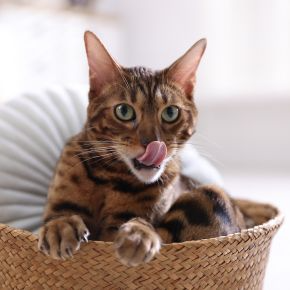
Summer Enrichment Ideas for Indoor Cats
Towcester Vets shares easy ways to keep indoor cats happy and stimulated this summer
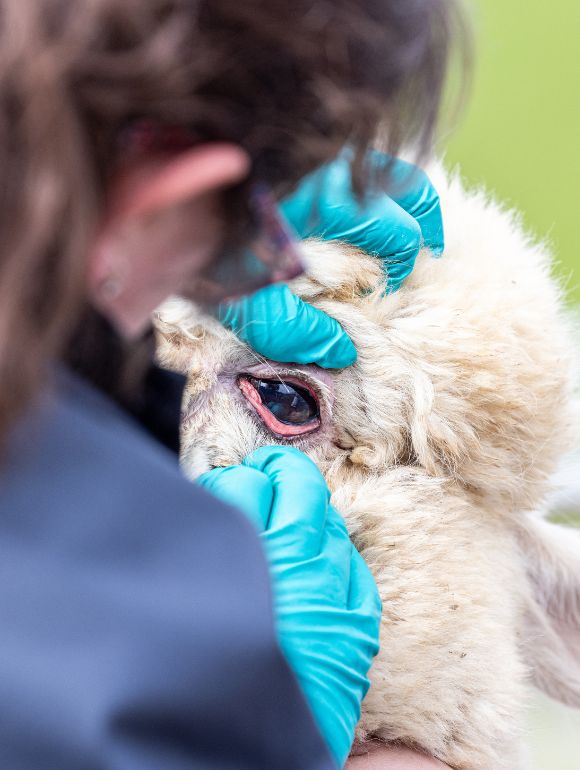
Anaemia in Camelids
Anaemia Anaemia is a common clinical presentation in alpacas. Anaemia can be assessed by checking eye membrane colour regularly. We would recommend checking eye colour at least monthly, but with increased frequence during high-risk periods. The most common cause of Anaemia in camelids is Haemonchus (barber pole worm) but this isn’t the only cause. Haemonchus […]
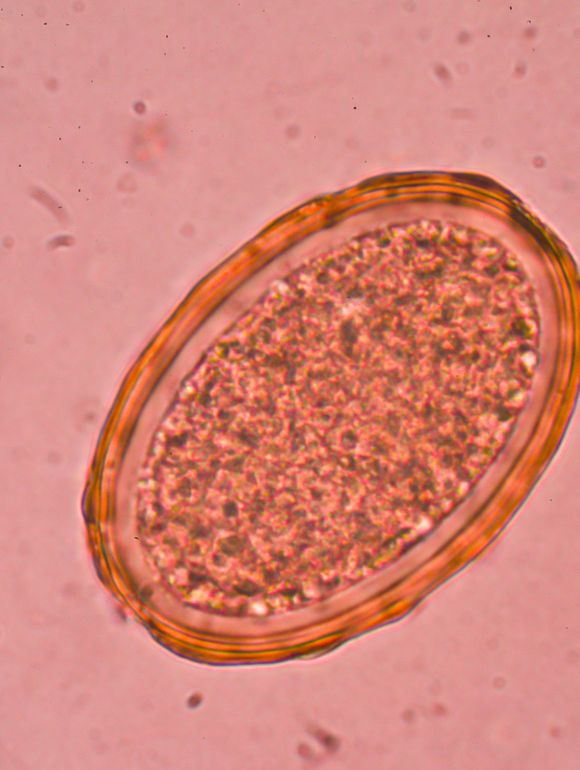
Worm Egg Count Machine: UPDATE!
We have officially named our new Ovacyte machine: Scooby Poo! Thank you to everyone who came to our Christmas Market event and took part in the naming competition. Scooby Poo is used regularly for worm egg counts and can provide highly sensitive detection of eggs in faecal samples. Last year we offered farms their 10th […]
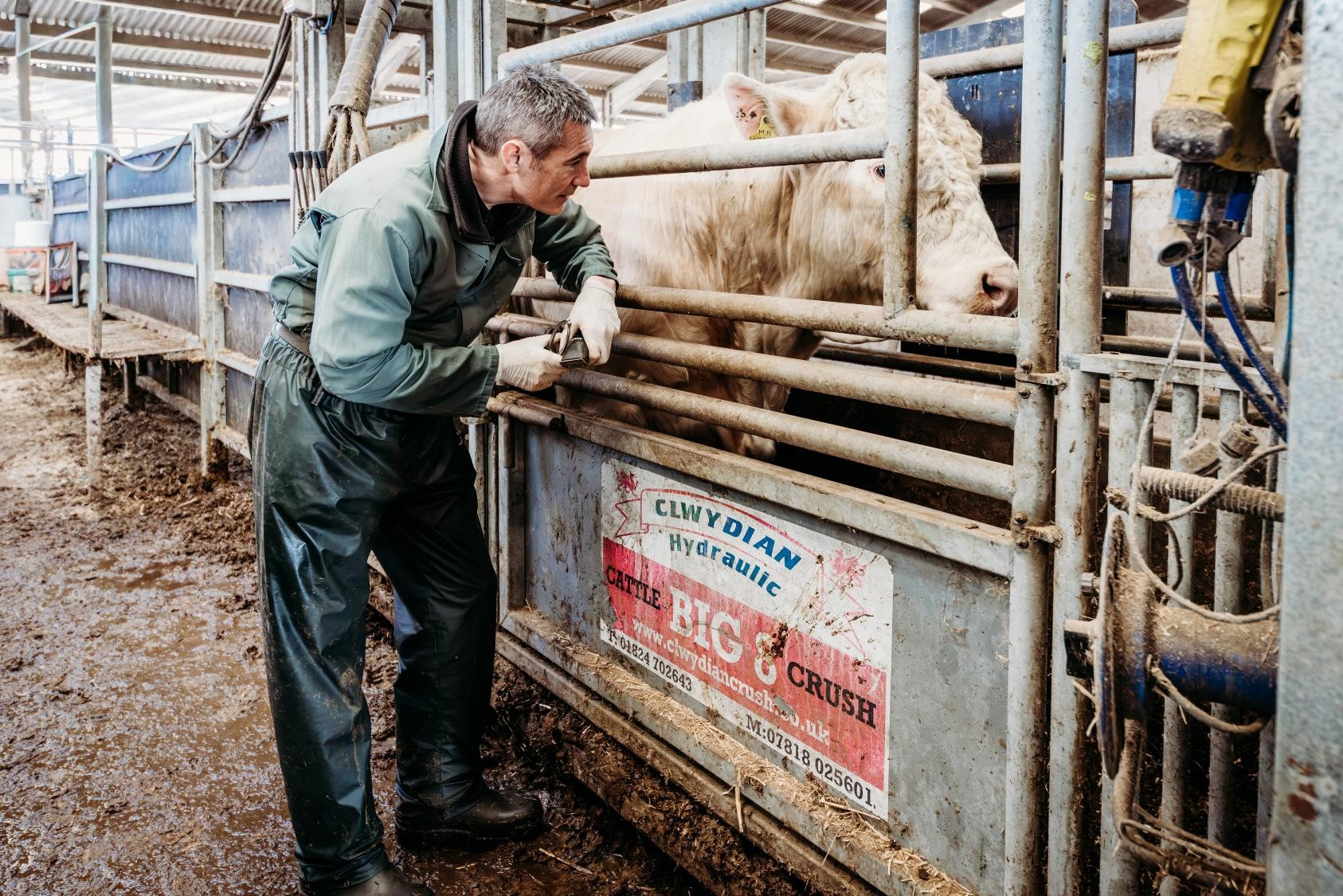
Are you EID ready?
Electronic identification (EID) ear tags become compulsory for all calves born from January 2027. The tags, which contain a microchip which stores a unique 15-digit animal identification number, can be read from up to 1m away, in the dark or when dirty via an EID reader. The scheme is designed to help improve biosecurity by […]
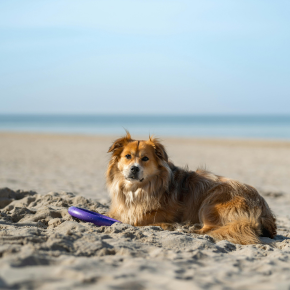
Can Cats, Dogs and Rabbits Get Sunburned? Towcester Vets Explains
Our experts explain how to protect your pets from UV rays and pavement burns this summer.

Planning a UK Holiday with Your Dog? Tips From Vets in Towcester
Planning a UK holiday with dogs? Vets share tips on travel, accommodation, and keeping your pet safe

Towcester Vets Explain Whether You Should Shave Your Cat or Dog This Summer
Shaving pets for summer: our vets explain what’s safe, what to avoid, and how to keep your pet cool
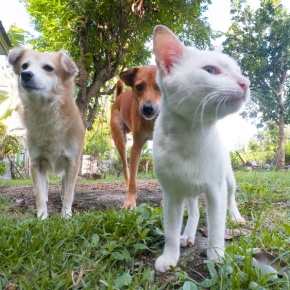
Towcester Vets Explain the Key Milestones in Your Pet’s Life
Top tips from our vets on navigating your pet’s changing needs and caring for pets at every age.
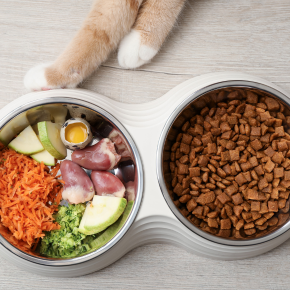
Summer Bodies: Why A Pet’s Weight Matters in the Heat
Is your pet fit for summer adventures in Northamptonshire? Tips from our team helping them stay healthy and sun-ready.

