Can Cats, Dogs and Rabbits Get Sunburned? Towcester Vets Explains
As the temperature rises in Northamptonshire, most of us are reaching for the SPF, but what about our furry friends? While your pet’s fur provides a level of natural protection, many owners don’t realise that pets can get sunburned too.
At Towcester Vets, we want to ensure your companions enjoy the summer safely, so our team in Towcester has put together this guide on solar safety for cats, dogs, and rabbits.
If you are worried about your pet’s skin this summer, you can book a skin assessment with our friendly team.
Sunburn in pets: yes, it happens
Our vets in Towcester warn that pets are just as susceptible to UV damage as we are. Sunburn in pets isn’t just uncomfortable; it can lead to more serious health issues, including skin cancer if not managed correctly.
Is my pet at risk of sunburn?
While any pet can suffer in extreme heat, those with white or light-coloured coats, or very thin fur, are at the highest risk. Specifically, keep a close eye on:
- Cats: White and light-coloured cats or those with white ears and noses.
- Dogs: Breeds with short, thin coats or pale skin (like Dalmatians or Bull Terriers).
- Rabbits: Especially those with white fur and pink ears.
Vulnerable areas
Sunburn usually strikes where the skin is most exposed. the team at Towcester Vets advises owners to pay particular attention to:
- Ear tips and noses
- The belly and inner thighs
- Pale or thin-furred patches
How to protect your pet from the sun
Keeping your pet safe during a Northamptonshire heatwave doesn’t have to be complicated. The team at Towcester Vets suggest these simple steps:
- Pet-safe sun block: Use a waterproof, zinc-free sun cream specifically designed for pets on exposed areas like ear tips, noses and tummies.
- Seek the shade: Ensure your pet always has access to shaded areas, especially when the sun is strongest.
- Protective clothing: For dogs with very thin hair, lightweight sun-protective shirts can act as a great barrier against UV rays.
- Keep hydrated: Give your pets constant access to fresh, cool water. You can even put ice cubes in their water bowl to keep it chilled for longer.
- The “Five Second Rule”: Pavement burn risks are high in summer. If the ground is too hot for your hand to touch for five seconds, it is too hot for your pet’s paws.
- Cooling aids: Provide damp towels for your pet to lie on. This helps them regulate their body temperature.
If you have questions about pet sunburn prevention or need to top up on summer essentials, our vets are here to help. You can book a skin assessment at our Towcester practice to ensure your pet stays healthy all summer long.
Planning a UK Holiday with Your Dog? Tips From Vets in Towcester
There’s nothing quite like a UK holiday when the sun is shining. It’s the perfect opportunity for a well-earned break — and a chance to enjoy new adventures with your dog, whether that’s a trip to the coast, a scenic town, or a relaxing staycation in Northamptonshire.
Dog-friendly holidays are growing in popularity across the UK, but not all accommodations offer the same standard of care. That’s why our veterinary team at Towcester Vets have created this guide to help you feel confident when travelling with your dog.
Want to make sure your pet is travel-ready? Book an appointment today to ensure your dog’s vaccinations and parasite treatments are up to date.
Preparing for UK holidays with dogs
Before booking, our vets at Towcester Vets recommend taking some time to consider whether holiday plans are suitable for your canine companion. Make sure to check the weather forecast and speak with a member of our team about their health and fitness, so you can be confident they’ll cope with the new environment and any changes to their routine, especially if you’re planning lots of outdoor activities.
Try to keep your dog’s routine as consistent as possible, with feeding, exercise, sleep, and toilet breaks happening at similar times each day.
If in doubt, get in touch for tailored travel advice for your dog before leaving Northamptonshire
How to find dog friendly accommodation UK
Towcester Vets’ team advises owners to look beyond the ‘pet friendly’ label for the following specifications:
- Size or breed restrictions: some accommodations may limit the type or number of pets allowed
- Outdoor space: secure gardens or enclosed areas for safety and toilet access
- Nearby walks: access to suitable exercise areas
- Veterinary care: a nearby vet, including an emergency contact and ‘out of hours’ service.
- House rules: restrictions on furniture, designated pet areas, and any deposits or fees for bringing a pet.
- Facilities: find out what facilities they offer for pets such as dog beds, and if there are pet friendly activities nearby, such as pet-friendly pubs, cafes, beaches etc
Before travelling, ensure your dog’s vaccinations, flea, and worming treatments are up to date, and that you bring any regular medication with you.
If you’re unsure whether your dog is ready for travel, our team in Towcester can help assess their health and provide tailored advice before you go.
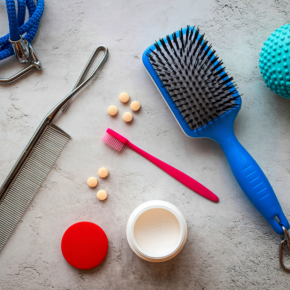
Towcester Vets Explain Whether You Should Shave Your Cat or Dog This Summer
As the hotter months arrive in Northamptonshire, we’re all shedding layers to make the most of the sunshine — but are our furry friends feeling the heat too? Many owners wonder whether shaving or trimming their pet’s coat could help keep them cool, especially breeds or species with longer or thicker fur.
It’s a common instinct, but the answer isn’t always straightforward. Below, our veterinary team at Towcester Vets are here to advise on when it’s appropriate to trim or groom your pet for summer, and which pets should never be shaved.
If you’re unsure about how to best keep your pet happy and healthy this summer, make an appointment for tailored advice on summer pet care.
Book a grooming consultation with our team
Summer Grooming for Cats, Dogs and Small Pets
Should I shave my dog for summer?
Our Towcester vets advise against a seasonal trim for many dog breeds, as their coats are designed to provide natural insulation, trapping cool air to keep their temperature from rising and protecting their skin.
Towcester Vets also warns against shaving double-coated breeds, including Arctic and spitz dogs like Siberian Husky and Samoyed, herding breeds like German Shepherd, retrievers like Golden Retriever, and small breeds like Pomeranians.
However, there can be exceptions for certain breeds who have hair rather than fur, or continuously growing coats, such as the Poodle, Shih Tzu and Maltese.
If you are unsure whether it is safe to trim your dog, get in touch and our friendly team at Towcester Vets will provide tailored advice.
Should I shave my cat for summer?
No, you should not shave your cat for summer. A cat’s coat acts as natural insulation — so removing it can increase the risk of stress, sunburn and overheating for both short and long-haired cats.
Should I shave my guinea pig or rabbit?
For small pets like rabbits and Guinea pigs, our vets in Towcester warn against shaving. Their fur helps regulate body temperature and protects their delicate skin, so removing it can lead to stress, injury, or difficulty staying warm or cool.
When is it ok to shave my pet?
There are a few exceptions where shaving may be recommended under professional guidance:
- Severe matting that can’t be safely brushed out
- Medical reasons (e.g., surgery or skin conditions)
- Elderly or overweight pets that struggle to groom themselves properly
In these cases, a vet or groomer may suggest a partial trim or targeted shave to keep the pet comfortable while protecting their skin and insulation.
Safe alternatives to keep your pet cool
Our Towcester vets recommend focusing on simple, safe ways to help your pet stay comfortable during warmer weather, without the need for shaving.
- Fresh water always available
- Shade and airflow: keep pets out of direct sun and keep their environment ventilated.
- Cool resting areas: tiles, damp towels, or cooling mats.
- Avoid peak heat: walk dogs early morning or late evening.
- Grooming instead of shaving: regular brushing to remove loose fur and prevent matting.
- Extra cooling options: cold treats or chilled veggies (species-appropriate)
Simple care and the right advice can make all the difference this summer. If you’d like to speak to our vets in Towcester about your pet’s coat, book an appointment today.
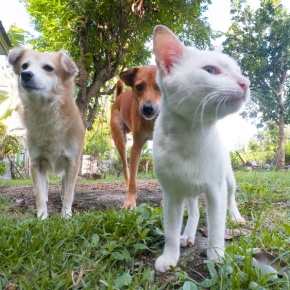
Towcester Vets Explain the Key Milestones in Your Pet’s Life
From tiny paws to greying whiskers, our pets move through life stages much faster than we do. Our vets in Towcester believe that understanding these milestones helps you adapt their care, nutrition and preventative support at the right time.
Think of it as a roadmap for lifelong health! In this article, our team at Towcester Vets share a guide to your pet’s needs at each stage of life. Don’t hesitate to book an appointment if you’d like more specific advice for your furry companion.
Book an appointment for tailored advice
Changing needs: key milestones for dogs & cats
The early weeks: growth and socialisation
Puppies and kittens are typically weaned at around 6–8 weeks of age. At Towcester Vets, we often advise owners that this stage is critical for growth, brain development and socialisation. Early experiences shape confidence and behaviour for life. During this stage, nutrition is growth-focused–higher in calories and essential nutrients to support bones, muscles and immune development.
Our preventative services at Towcester Vets, including vaccinations, parasite control and early health checks, lay the foundation for long-term wellbeing.
Adolescence to adulthood
Most cats reach adulthood at around 12 months. Dogs vary by breed: small breeds mature by 9–12 months, while large and giant breeds may not reach full maturity until 18–24 months.
Our Towcester team advise that this is when dietary needs shift from growth formulas to adult maintenance diets. Calorie control becomes important to prevent weight gain, and structured exercise supports joint and muscle development. Neutering decisions, dental care and behavioural guidance also commonly occur during this phase.
Why do we say dogs age seven years to our one?
The old ‘seven dog years to one human year’ rule is a simplification. Dogs actually age more rapidly in their early years and then the rate slows. Size matters too, as larger breeds tend to age faster and have shorter lifespans. While not scientifically exact, the phrase reminds us how quickly pets move through life stages compared to us.
The senior shift (around age seven)
Around seven years old, many dogs and cats enter their “senior” stage – earlier for giant breeds and later for smaller ones. Our vets in Northamptonshire share how subtle changes may appear: reduced stamina, mild stiffness or shifts in appetite.
Nutrition often changes again, focusing on weight management, joint support and organ health. Exercise may become lower impact but remains essential for mobility and mental wellbeing.
This is also when we recommend closer monitoring from our team at Towcester Vets. Bi-annual senior health checks and geriatric blood screenings can detect early signs of kidney disease, diabetes, arthritis or hormonal conditions before symptoms become obvious. Early detection allows for earlier intervention, and better quality of life.
Planning ahead
Each life stage brings different needs, from growth and training to maintenance and gentle senior support. By anticipating these transitions, you can ensure your pet stays healthy, active and comfortable at every age.
If you’re unsure which stage your pet is entering or how their care should adapt, book an appointment for tailored advice from our team at Towcester Vets. We’re here to guide you through every milestone.

Summer Bodies: Why A Pet’s Weight Matters in the Heat
As the days get longer and temperatures rise in Northamptonshire, summer is the perfect time to get active with your pet; but warmer weather also brings increased physical demands. Extra weight can put strain on the heart and lungs, making your pet more susceptible to overheating, fatigue and even heatstroke.
Now is the ideal moment to check your companion is at a healthy weight, and in this article, our vets in Towcester explain how. You can also book an appointment with our nursing team at Towcester Vets to assess your pet’s weight.
Is your pet a healthy weight for summer?
Understanding Body Condition Score (BCS)
The Body Condition Score (BCS) is a practical way to assess your pet’s weight beyond the weighing scale. Rather than focusing on numbers alone, BCS encourages owners to feel the ribs and not just see the scale. Our team at Towcester Vets explain that a healthy pet’s ribs should be easily felt under a thin layer of fat, with a defined waist visible from above and a slight abdominal tuck from the side.
The perception gap
According to 2026 PDSA Pet Health Survey data, there’s often a perception gap between what owners believe is a healthy weight and the reality. Many pets carry extra pounds from the winter months –- the ‘winter coat’ of fat, which can go unnoticed. These extra kilos may not seem significant now, but they can dramatically increase the risk of overheating and joint strain when your dog or cat is more active during summer.
Why weight matters
Excess weight doesn’t just make your pet sluggish; it worsens joint problems, slows recovery from exercise and increases the risk of heart and respiratory issues. Towcester Vets’ share that even modest weight loss in an overweight pet can improve stamina, mobility, and overall comfort – helping them enjoy long summer walks, runs, or play sessions safely.
Tips to keep pets lean and active
- Short, frequent walks for dogs around Northamptonshire, gradually increasing distance.
- Interactive play for cats, encouraging movement indoors.
- Monitor portion sizes and reduce treats if needed.
- Regular weigh-ins and BCS checks to track progress.
Plan ahead
Summer is the perfect time to set your pet up for success. A healthy weight improves comfort, can help to prevent overheating and ensure they get the most out of the sunny months in Northamptonshire.
If you’re unsure whether your pet is carrying extra weight, our veterinary nurses in Towcester can help. Book a weight assessment today to get personalised advice, check your pet’s BCS and create a plan to keep them lean, mobile, and safe this summer.
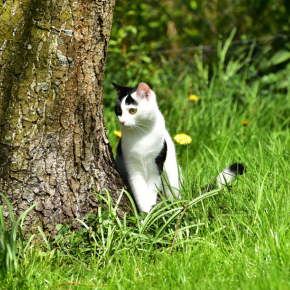
How to Combat Cat Worms
Intestinal worms are common in UK cats, but they’re often misunderstood. A common misconception is that you’ll spot worms in the litter tray if there’s an issue, when in reality, many infected cats show no obvious signs at all. If you’re not sure whether your cat’s parasite protection is up-to-date, book a parasite review with our team at Towcester Vets today.
Combatting cat worms: what every owner should know
The most common worms in UK cats
Our team at Towcester Vets share that roundworms (Toxocara cati) are one of the most frequently diagnosed intestinal parasites. Kittens can become infected from their mother, while adult cats may pick them up from contaminated soil or by hunting infected prey. Roundworms can pose a zoonotic risk, meaning their eggs can infect humans, particularly children, if accidentally ingested.
Tapeworms (most commonly Dipylidium caninum and Taenia species) are typically transmitted through fleas or by eating rodents. You may occasionally see rice-like segments near your cat’s bottom or under the fur beneath the tail or bedding, but this isn’t always the case. Tapeworm infection is more common in cats that hunt or have had flea infestations.
Other parasites, such as hookworms, are far less common in UK pet cats but can occur. Our vets in Towcester will advise based on your cat’s lifestyle and local risk.
Why you can’t rely on symptoms
The team at Towcester Vets explain that many cats with worms appear completely healthy. Waiting for visible signs like weight loss, vomiting, diarrhoea or ‘scooting’ means infection has already taken hold. By then, your cat may have been shedding microscopic eggs into the environment for weeks. The absence of visible worms does not mean your cat is clear. These eggs can only be detected through testing.
The hunting cat risk
Cats who hunt are at significantly higher risk as rodents and birds commonly carry larval stages of roundworms and tapeworms. Even well-fed cats retain natural hunting instincts, so indoor-outdoor and rural cats in Northamptonshire require particularly robust prevention plans.
Why regular worming matters
Regular treatment not only protects your cat but also reduces the risk of environmental contamination and potential transmission to people. Routine, prescription-strength worming treatments are advised by our vets in Towcester to give your cat the protection they need — over-the-counter options may not provide complete or reliable coverage.
Parasite prevention should always be tailored to your cat’s lifestyle, whether they’re a dedicated hunter, an occasional explorer, or strictly indoors. You can find out more about our preventative care services on our website.
If you’re unsure when your cat was last treated or whether their protection is appropriate, book a parasite review with our team at Towcester Vets. We’ll assess their individual risk and put a clear, effective prevention plan in place to keep your cat (and your household) protected.
Looking for more advice on caring for your pet? Be sure to check our other articles for tips from our vets in Towcester.

Stressed about Strangles?
STRANGLES IN HORSES
The stigma associated with Strangles in horses can make the diagnosis of this disease stressful & confusing for horse and yard owners alike. To help provide essential facts, the equine vets at Towcester and Onley have created this quick overview article.
What is Strangles in horses?
Strangles is a highly contagious disease that affects the upper respiratory tract in horses. It is caused by the bacteria Streptococcus equi equi and can affect any horse, pony or donkey. The disease can be debilitating but is rarely life threatening, however 1 in 10 horses remain persistently infected as ‘carriers’.
Why is it called Strangles?
Swelling and the formation of abscesses in the lymph nodes around the throat is a common clinical sign of Strangles. These symptoms can sometimes cause horses to have difficulty swallowing and breathing, hence the name ‘strangles’.
Symptoms of Strangles:
- Swelling on lymph nodes around the throat
- Abscesses on lymph nodes
- Fever (38.5C or above)
- Depression
- Reduced appetite
- Cough
- Yellow/white nasal discharge
It is important to know that it can take up to 21 days for an infected horse to show signs of illness.
How can we diagnose Strangles?
– Guttural pouch endoscopy: this is the gold standard test for strangles. Using an endoscope we can get a sample from the guttural pouches (air sacs on top of nasal passage) to test for the presence of the bacteria.
– Swabs: from any discharge of the nostrils or a burst abscess. It can be a good option for the early stages of the infection, although it is less reliable than endoscopy. A nasopharyngeal swab can also be taken from the top of the nasal passages, where it is likely to find the bacteria. All swabs and guttural pouch washes can now be tested in our lab at Plum Park with results returned in less than 2 hours.
– Blood sample: strangles antibodies can be detected in a horse that has a response to the infection or a horse that has become a carrier. It can take up to 2 weeks after being in contact with the bacteria to start producing antibodies, so this test is less likely to be used to determine an early infection but can be helpful in determining exposure to the disease in an outbreak situation. Strangles serology is often used to screen for carriers prior to moving yards for example, however false positive results are relatively common and further testing is often needed.
Our equine vets’ advice on what to do if you suspect Strangles:
If you suspect you have a case of Strangles, then taking the following swift actions will help minimise the consequences of an outbreak.
- Immediately stop any movement of horses on or off your yard.
- Isolate any horses that are showing signs of strangles. These will be the red group of the traffic light system you now need to use.
- Call our equine vets for advice on management, diagnostic testing and treatment.
- Isolate any horses that may have had any direct or indirect contact with the RED group of horses in the past 3 weeks. These become the AMBER group. Monitor the temperatures of this group twice daily and if any develop clinical signs, they should be moved into the red group immediately.
- Horses that have had no known contact with suspected cases can be classed as the GREEN group. This group should be isolated and monitored closely for at least 3 weeks.
- Contact any relevant owners, farriers, trainers, neighbouring yards and any other people of interest to inform them of the situation and help prevent the spread of the disease.
If you need more info, follow this link for up to date information on clinical signs and symptoms of Strangles and how best to treat the disease. Reading this will help you understand & minimise the effects of a Strangles outbreak and it could even help you prevent the disease appearing at all.
Ferran Quingles DVM MRCVS
Veterinary Surgeon at Towcester Equine Vets
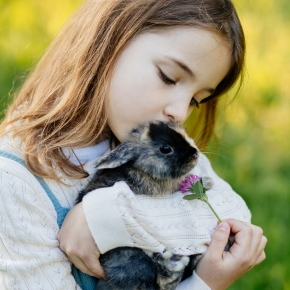
Towcester Vets’ Kid-Friendly Guide to Small Furry Pet Ownership
Bringing a small furry friend into the family is an exciting adventure for children, whether it’s a guinea pig, rabbit, hamster or another tiny companion. Teaching children how to care for these pets responsibly not only keeps the animals safe and happy, but also helps kids develop empathy, patience and confidence in their abilities.
If you have a small pet joining your family, you may find Towcester Vets’ 7 pet care tips for children really useful.
Plus, you’ll want to register your small pet with our veterinary practice in Towcester so we can support your new pet owner with advice and care.
Register your small pet with us
We’ve also prepared a downloadable Pet Promise Certificate that you can print, allowing your child to proudly write their promise to be a great friend and responsible pet owner.
Teaching young children about responsible pet ownership
Here are Towcester Vets’ seven essential lessons for young pet owners:
1. The ‘indoor voice’
Small pets are easily startled by loud noises or sudden movements. Encourage children to speak softly and move calmly around their pets to prevent stress and anxiety.
2. Gentle hands
Always use two hands when lifting a small pet, supporting both the body and bottom, or leave them on the floor for supervised interaction. This prevents accidental drops and ensures the pet feels secure.
3. Respecting nap time
Many small animals sleep a lot during the day, often in cosy hideaways. Our vets in Towcester advise teaching children to respect their pet’s rest by leaving them undisturbed while they recharge.
4. The ‘fruit is a treat’ rule
Greens are the foundation of a healthy diet, while sugary fruits should only be given in tiny amounts, just like a treat. This helps prevent digestive upset and keeps pets healthy.
5. Reading body language
Help children recognise when a pet is happy — like “popcorning” in rabbits or playful binkies in guinea pigs — and when they want to be left alone, such as hiding, freezing or flattening themselves against the floor.
6. Fresh water daily
Our vets at Towcester Vets advise that every small pet needs clean, fresh water every single day. Encourage kids to clean and refill water bottles or bowls each morning to maintain hydration and hygiene.
7. Ask before opening
Teach children to always check with a grown-up before opening a cage, hutch, or tank. Ensuring windows, doors and escape routes are secure first also keeps pets safe during playtime.
By learning these simple rules, children can enjoy interacting with their small pets while keeping them safe, healthy and happy.
Download our Pet Promise Certificate to help your child get started.
Got a new pet to register?
Register your small pet with us today and our nurses at Towcester Vets can provide guidance on handling, nutrition and health checks — helping young owners grow into responsible, confident caregivers.
Register your small pet with us
Got a Question About Dog or Cat Care This Spring?
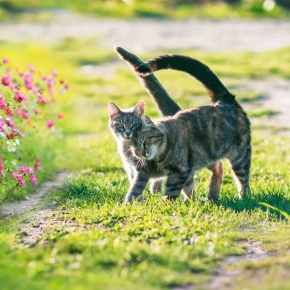
Spring brings lighter evenings and warmer walks in Northamptonshire but it also raises plenty of seasonal health questions. To mark National Pet Month, our veterinary team at Towcester Vets are answering some of the most common pet care questions that owners search for at this time of year.
Read through our spring FAQs below and if you have further questions or concerns about your pet, just book an appointment and our vets will be happy to talk them through with you.
Book a spring consultation today
Your spring dog & cat care questions answered
Why is my dog itching more now it’s spring?
Our veterinary team at Towcester Vets explain that spring itching is often caused by pollen, grass or environmental allergens – but fleas also become more active as temperatures rise. Even indoor pets aren’t immune. Persistent scratching, paw licking or redness should always be checked, as early treatment prevents secondary skin infections.
Is it safe for my cat to eat spring flowers?
Some spring flowers are highly toxic. Lilies are extremely dangerous to cats and even small amounts of pollen can cause kidney failure. Tulips and daffodils can also cause vomiting and lethargy. If you suspect exposure, contact us straight away on 01327 350239.
When should I start my dog’s tick protection?
Towcester Vets’ team advise that ticks become active when temperatures consistently rise above 7°C – often earlier than expected in the UK. Prevention should begin before you see ticks, not after.
Are fleas really a problem in spring?
Yes. Flea eggs can survive indoors year-round and warmer weather speeds up their life cycle. Preventative treatment is far easier than dealing with an infestation so contact us to get your flea medication in place earlier rather than later.
Why is my pet eating more grass?
Occasional grass eating can be normal, but frequent grazing combined with vomiting may signal tummy upset or dietary imbalance.
Can pets get hay fever?
Pets can get hay fever, but unlike humans, pets tend to itch more than they sneeze. Towcester Vets’ team explain that allergies usually show as itchy skin, ear infections or red paws. Call our veterinary practice in Towcester on 01327 350239 if you’re spotting any of these indicators.
Is spring a good time for vaccinations?
Absolutely. With more socialising, boarding and outdoor activity, ensuring vaccinations are up to date is highly advised.
Why are my cat’s eyes watery in spring?
Mild irritation from pollen can cause watery eyes, but discharge, squinting, or redness should be assessed by our vets at Towcester Vets to rule out infection.
Do indoor cats need parasite protection?
Yes. Fleas can enter homes on clothing and some parasites can be brought in via other pets.
How can I tell if my pet is overweight after winter?
Reduced winter exercise can lead to weight gain. A spring weight check helps adjust diet and activity before problems develop.
Have a spring health question we haven’t covered? Just ask us! National Pet Month is the perfect time to get your pet’s wellness back on track.
Be sure to book a consultation this spring at Towcester Vets today to get expert, personalised answers from our vets and ensure your pet is protected, healthy and ready for the warmer months ahead.
Looking for more pet care news? Be sure to check our other seasonal articles for more spring tips from our vets in Towcester.
Dog Walks in Busy Parks: 5 Tips for a Better Walk
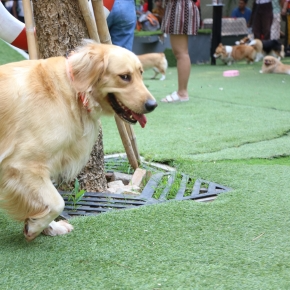
Spring in Northamptonshire brings longer days, warmer weather and busy parks full of dogs, people and plenty of distractions. While walks are a wonderful way to exercise and bond with your dog, a crowded or stimulating environment can be challenging, especially if your pup is easily distracted.
A few simple strategies can make outings calmer, safer, and more enjoyable for both of you. Below, you’ll find 5 great tips from our vets at Towcester Vets, on how to prepare your pup for walking with confidence in all environments.
Have you checked your dog’s vaccination schedule and microchip details recently? It’s better to be safe than sorry — call us on 01327 350239 to make sure everything is up to date.
Contact us to check your dog is up to date
5 tips for better dog walks in busy parks
1. The bullet-proof recall
Being able to call your dog back reliably is essential. Practice recalls in a quiet area around Northamptonshire first, then gradually introduce distractions like other dogs or picnics. Reward generously when they come back promptly as it reinforces the behaviour and keeps them safe.
2. The ‘watch me’ cue
Teaching your dog a focus cue helps redirect their attention to you, even when there are exciting sights or smells nearby. A short command like ‘watch me’ can prevent bolting or unwanted behaviour, as well as strengthen your bond.
3. Polite greetings
Crowded parks around Northamptonshire mean encounters with other dogs and people are inevitable. Train your dog to approach calmly, avoid jumping or lunging, and sit politely when greeting. This ensures walks remain stress-free and safe for everyone.
4. The emergency stop/stay
A reliable stop or stay command is a vital safety skill. Whether near a road, car park or busy footpath, your dog must be able to halt instantly on command to avoid accidents or dangerous situations.
5. Leave it
Spring brings a lot of tempting mystery items in the grass, from discarded snacks to sticks or rubbish. Teaching your dog to leave unwanted items prevents ingestion of harmful foods or objects, keeping them safe and healthy.
Before you explore the parks in Northamptonshire this season, it’s also important to make sure your dog is fully up to date with vaccinations, flea and worm prevention and any other routine care. A healthy dog is a confident dog, and preventative care protects against seasonal risks you might not see.
Contact us today to check your dog’s health is protected and book an appointment at Towcester Vets, so you can then enjoy spring walks together with confidence, safety and peace of mind.
Contact us to check your dog’s preventative treatment status