Towcester Farm Vets winter meetings
** The first Winter meeting was a roaring success, thank you for all of those that attended. We are sad to report that the remaining meetings are postponed due to Covid. We are hoping to re-schedule them for this Summer.**
You’re invited to attend the three winter meetings we’ll be hosting this season. Our meetings are designed to inform and be social (with a hot dinner included) which makes them extremely popular so please…
Book your place now, by calling the office on 01327 350 239
Sheep lameness – Learn about the causes, prevention and treatment
Monday 29th November 2021
(Please book by Wednesday 24th November)
Top tips – Things every farm vet wants you to know
Monday 20th December 2021 – TO BE RE-SCHEDULED.
Calf sour – How to prevent, spot and treat scour
Monday 24th January 2022 – TO BE RE-SCHEDULED.
View Flyer_2021 for more information.
Book today by contacting us on 01327 350 239

Six common concerns for cat owners in Northamptonshire at Christmas
You’ve seen the memes with cats stuck in Christmas trees, but what else can go wrong during the festive season when you have cats? Our Veterinary team shares common causes of Christmas cat injuries and advises how to avoid them.
Given how curious cats are, it makes sense to keep our number in your phone just in case your cat gets into any bother.
Call 01327 350239 for cat advice
Six common cat concerns at Christmas in Northamptonshire:
Road traffic accidents
With all the noise and commotion that comes with Christmas, including extra guests at your home, cats often roam outdoors to escape the mayhem. As it gets darker earlier during winter, your cat is more at risk of being hit by a car. We recommend fitting your cat with a reflective collar and providing ‘safe spaces’ indoors for your cat to take solace in when it gets too much.
Consuming harmful food & drink
Christmas can be a fun time of year for cats, with tasty morsels of food and leftover drinks all over the place to try. Some items such as pigs in blankets could give your cat an upset stomach, whereas toxic treats like chocolate or mince pies (containing dried fruit) could cause them severe harm. It’s wise to keep food, alcohol, and paracetamol (for the Boxing Day hangover) behind a closed cupboard, pantry, or fridge door and away from curious cats.
Plant poisoning
Poinsettias, holly, and mistletoe are festive favourites for many households. Unfortunately for cats, they can cause a variety of health problems ranging from nausea and vomiting, to collapse and seizures. Our Veterinary team recommends keeping harmful Christmas plants out of reach, or not keeping them at all.
ANTIFREEZE ALERT – This substance is highly toxic to cats but tastes sweet (so we hear). Clean up any spills and keep the container somewhere your cat can’t get to it – remember cats can climb!
Christmas tree injuries
Saying cats and Christmas trees don’t mix well is an understatement in some households. Cats love to play with delicate baubles and wires, climb the tree, eat the needles, and rub themselves against the branches – all of which can end badly. Our Veterinary team has this advice for cat owners:
- Consider choosing an artificial tree – real fir trees produce toxic oils that can harm cats when eaten or absorbed through the skin and eating pine needles can cause a lot of pain.
- Smaller Christmas trees should cause less damage to your cat if they fall over – secure your tree to a wall or ceiling or use a heavy base to steady it.
- Choose shatterproof or soft hanging tree decorations and nothing edible if you have pets.
- Keep wires contained so they don’t look like string to play with to your cat.
- Decorate your tree without your cat in the room and avoid leaving your cat alone with it.
Burns & scalds
Cats can easily get burned or scalded accidentally at Christmas time, with knocked over candles and cooking pans being the common causes. Avoid injuries by keeping candles out of reach, or your cat out of the room, especially the kitchen when you’re cooking.
We hope you found our advice useful. As always, if you have any concerns about your cat, get in touch with us here at Towcester Veterinary Centre.

Towcester Veterinary Centre’s list of Christmas foods your dog can and can’t eat
Should you give your dog human foods like roast dinner, mince pies, Christmas pudding, and trifle? No, is the short answer, as our Veterinary team will tell you.
If you think your dog may have eaten something concerning, call us for advice or to arrange emergency care straight away.
Many foods and drinks that we consume over Christmas are toxic to dogs. Depending on the item, amount consumed and when it was eaten, combined with the size and health of your dog, the situation could be life-threatening. For example, a single raisin could potentially kill a dog – they are that toxic.
To help you avoid harmful foods and find treats your dog can have this holiday season, our Veterinary team have created these lists to help you.
Christmas foods your dog SHOULD NOT eat:
- Christmas roast dinner – Skinless, plain turkey is fine in small quantities. However, most festive dinners are laden with fat and can include onion (gravy), chives, garlic, pepper, and lots of salt – none of which will do your dog any good. Likewise, your dog shouldn’t chew on cooked bones as these can splinter and damage your pet’s mouth and intestines.
- Pigs in blankets – The sausage meat may contain onion and spices and the bacon may be very fatty. Eating foods high in fat can lead to a painful condition called pancreatitis.
- Mince pies and Christmas pudding – These usually contain dried fruits like raisins and sultanas, which are highly toxic to dogs and consumption can be fatal.
- Chocolate – All chocolate is toxic to dogs. However, dark and cooking chocolate are the most toxic as they contain the most theobromine per gram. Call 01327 350239 immediately and keep the wrapper where possible.
- Trifle and other sweet treats – Many dogs are lactose intolerant, and an overdose of dairy cream can cause an upset stomach. Fatty and sugary foods can cause weight, dental, and other health issues so it’s best to just avoid these types of human foods as dog treats.
- Other harmful Christmas goodies include macadamias and other nuts, bread dough (yeast), cookie dough, grapes, corn-on-the-cob, alcohol, and anything containing Xylitol – an artificial sweetener that is highly toxic to dogs.
Treats your dog CAN have:
- Dog treats! It might sound simple, but dog treats are typically made to be nutritionally balanced, tasty, and safe for dogs. You can usually buy festive-themed treats at most pet shops in and around Weedon, Paulersbury, and Stony Stratford, or make your own!
- Safe human foods like raw carrots, cucumber, banana, and blueberries, and cooked butternut squash, green beans, and plain pasta in small amounts can make excellent dog snacks. They can also be heathier alternatives to some manufactured dog treats.
Try to remember that your dog won’t love you any less if you don’t give them some of your food, or if you swap cream cakes for carrots. And most importantly, dogs are cunning enough to help themselves if you leave them and food unattended…
Some final tips from our Veterinary team – Always research new foods online to check they are safe for dogs – if in doubt, leave it out. Give new foods in small amounts first to check they agree with your dog.
If you have any dog food health scares over the festive season, contact us straight away.
If you think your dog may have eaten something concerning, call us for advice or to arrange emergency care straight away.
Call us on 01327 350239

Stressed about Strangles in horses?
The stigma associated with Strangles in horses can make the diagnosis of this disease stressful & confusing for horse and yard owners alike. To help provide essential facts, the equine vets at Towcester and Onley have created this quick overview article and a much more detailed factsheet for your information. Please take a look at the article and if you need more info, download the factsheet for more detail on clinical signs and symptoms of Strangles and how best to treat the disease.
What is Strangles in horses?
Strangles is a highly contagious disease caused by the bacterium Streptococcus equi equi and can affect any horse, pony or donkey. The disease can be debilitating but is rarely life threatening, however 1 in 10 horses remain persistently infected as ‘carriers’.
Why is it called Strangles?
Swelling and the formation of abscesses in the lymph nodes around the throat is a common clinical sign of Strangles. These symptoms can sometimes cause horses to have difficulty swallowing and breathing, hence the name ‘strangles’.
Other symptoms of Strangles:
- Fever (38.5C or above)
- Depression
- Reduced appetite
- Cough
- Yellow/white nasal discharge
Our equine vets’ advice on what to do if you suspect Strangles
If you suspect you have a case of Strangles then a quick read of our detailed factsheet taking the following swift actions will help minimise the consequences of an outbreak.
- Immediately stop any movement of horses on or off your yard.
- Isolate any horses that are showing signs of strangles. These will be the red group of the traffic light system you now need to use.
- Call our equine vets for advice on management, diagnostic testing and treatment.
- Isolate any horses that may have had any direct or indirect contact with the red group of horses in the past 3 weeks. These become the amber group. Monitor the temperatures of this group twice daily and if any develop clinical signs, they should be moved into the red group immediately.
- Horses that have had no known contact with suspected cases can be classed as the green group. This group should be isolated and monitored closely for at least 3 weeks.
- Contact any relevant owners, farriers, trainers, neighbouring yards and any other people of interest to inform them of the situation and help prevent the spread of the disease.
For more detailed information please check out our informative factsheet. It has everything you need to know along including pictures of Strangles. Reading this will help you understand & minimise the effects of a Strangles outbreak and it could even help you prevent the disease appearing at all.
About the author
Gwen Davies BVMedSci BVM BVS MRCVS has been at Towcester Equine Vets since July 2019 and has graduated from the University of Nottingham. Gwen has a particular interest in lameness and competes on her own horse, Campeon, up to BE standard.
Catharina Arthurs advises what to look out in your rabbit pre-winter
Rabbits are experts at hiding illness, so daily and weekly checks at home should be backed up with regular visits to our Burcote Road surgery. Whilst the exact frequency of your furry friend’s vet visits will depend on a number of factors, we normally remind owners in spring and autumn. Ideally, we’ll get to see your rabbit at least once a year and just before winter is an ideal time to make sure they’re prepared for the colder months ahead.
Book a pre-winter rabbit check-up
Typical vet visits for your rabbit may involve annual vaccinations and dental check-ups, and we may recommend other types of treatments. Catharina Arthurs, our Veterinary Surgeon, thinks it’s useful to remind owners what they should be looking for in between vet visits.
Below is a list of the essential areas we check when you bring your pet rabbit to our Towcester surgery. We’re sharing this because rabbits are generally pretty good at keeping themselves clean, so if you spot anything mentioned in this list, it really is worth bringing them in.
Seven essential things for your rabbit health check list
- Eyes – Your rabbit’s eyes should be clear, bright, and free of discharge. Pull up the eyelid and the eye tissue should be pink. If it’s red or pale, or there is discharge from the eyes, call us.
- Ears – The inside of your rabbit’s ears should be clean and clear of wax/dirt. Check inside the ear with a penlight. Ask us to show you how to clean your rabbit’s ears on your next visit.
- Nose – This is really simple; your rabbit’s nose should be free of any discharge whatsoever. If you do see discharge from the nose, call us on 01327 350239.
- Teeth – These are really important. Check your rabbit’s teeth by carefully pulling the upper and lower lips back. You should see the upper front teeth aligning with the lowers and a slight overbite. If the teeth are too long or the bite isn’t good, we may need to trim them, and we’ll probably need to talk to you about their diet.
- Feet – The most common problem with a rabbit’s feet is sore hocks or heels. If you see foot sores, especially open sores, call us.
- Nails – Nails shouldn’t be too long. If they are, then it’s a simple job to clip them at home. Ask us to show you how to safely clip your rabbit’s nails on your next visit.
- Fur & Skin – Your rabbit’s coat should be soft, shiny, and free of matted hair. If you back-brush the coat with your hand, the skin should be clear of dust and flakes.
As well as the essential list above, if you bring your rabbit in for a pre-winter health check-up we’ll be looking at areas such as their glands, their mobility, and talking to you about their eating and toileting behaviours. If you’re not sure when they were last seen, or, if you know it was over a year ago due to the disruption in 2020/21, then please do book an appointment.

Four things your cat should be checked for this autumn at Towcester Veterinary Centre
When the days and nights start getting colder, the veterinary team at our Burcote Road practice recommend bringing your cat to see us for a pre-winter health check, to make sure they’re in tip-top condition.
Autumn is a good time to make sure vaccinations and parasite treatments are up to date and nip any emerging problems in the bud, to avoid them worsening during the colder months. After all, it’s a time when we’re all at our most vulnerable.
Book a pre-winter health check
So, what will we look out for at your cat’s pre-winter health check?
1) Vaccinations and parasite prevention
The first thing we’ll do when you attend a pre-winter health check is to review the basics by weighing your cat and checking their vaccinations and parasite treatments are up to date.
2) Weight and body condition
If it’s appropriate, we may have a chat with you about making sure you don’t end up with an overweight cat. As temperatures fall, it’s tempting (and natural) for us all to eat more food (back in the day because we needed more energy in winter but now…) for comfort and warmth. Also, nowadays, treats typically become more frequent in the approach to Christmas. Your cat might eat up to 25% more food during this time than they would in other seasons.
3) Common cat health conditions
If you have an older cat, arthritis can strike during cold weather. Poor vision can also be an issue, especially as the nights draw in. But at any age, we can give your cat a thorough examination to spot signs of anything that may require treatment or extra care.
4) Teeth
Like vaccinations, a seasonal check-up is a great opportunity to make sure your pet has no dental concerns. Extra treats and other rich food over winter might pose a greater threat than usual so it’s a good idea to get ahead of any issues.
If there’s anything else that worries you about your cat during autumn and winter in Northamptonshire, please don’t hesitate to speak to Katy, our head nurse, or any of our team; we’ll refer you to one of our friendly Vets if we feel that more attention is required.
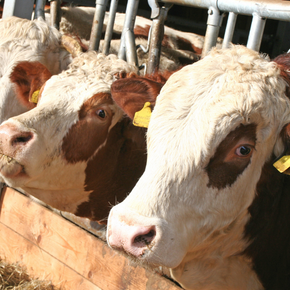
Maximise space and minimise feed costs this Winter
As we approach the season for housing your cattle, it’s a good time to consider how to maximise space and manage feed costs over the Winter.
Scanning cows as soon as they are housed allows identification of barren animals that can be removed from the herd or managed separately to cull. Removing them early (not leaving them in to the end of the calving period) maximises space for cows in calf and, importantly, keeps feed costs down. Cows can be reliably scanned as long as they have been away from the bull for at least a month.
We can use the same visit to identify & abort young heifers. Heifers that get in calf too young will have serious checks on their growth and may also require caesareans. Please don’t hope for the best, as heifers have been known to get in calf as young as 4 months old, especially if there is a rogue bull calf about! Heifers need to be away from any bulls for at least 7 days for the abortion injection to be effective.
Manage the risks from TB
As well as non-pregnant hangers-on, getting cattle TB tested before the housing season (and TB testing season) is an important management tool. Unfortunately, TB has become a real challenge in this area recently, with many more herds experiencing a breakdown.
Pre-movement testing (or culling) any surplus cattle before the main TB test is a good way of reducing pressure on farm if the herd is placed under restriction.
Removing these cattle also helps limit the effects of a breakdown by
- Maintaining cash flow
- Reducing feed/straw costs
- Reducing the number of cattle at subsequent tests and
- Reducing stocking densities to decrease the risk of disease (such as pneumonia, scours and lameness).

Does your rabbit, guinea pig or hamster need a friend?
Your pet’s companionship needs depend on a number of factors and getting those right are important to your small furry’s general wellbeing. To help you understand the basics, here’s the Towcester Veterinary Centre’s quick guide to the basic social needs of a few popular small furries.
If your pet looks to be under the weather and you’re already following the advice below (and satisfying their feeding grooming and shelter needs), then they may have a medical or a more complicated social issue. In either case please don’t delay, bring them in for a check-up and to get some advice.
Some animals need company more than others
Some small animals prefer to be alone, or find that human attention is enough, while others adore company from their own species. Read the basic advice below and if you’re still unsure whether you’re getting it right, you can always ask Katy or any of our vet nurses for advice. Our team can advise you on your particular pet, or if you’re thinking of getting one.
Rabbits
It’s essential for rabbits to be kept in pairs, as a minimum, as they are sociable animals who need friendship to thrive. Opposite genders tend to get on best, but don’t forget to neuter both, unless you want lots of baby bunnies. Neutering will also make for a more relaxed friendship on both sides. Rabbits appreciate human owners, but some dislike being handled. Figure out what your rabbit likes and always supervise children when they handle your rabbits.
Guinea pigs
Like rabbits, guinea pigs get lonely if they are kept alone, so you should try to find them a compatible friend. If you have two that tend to fight, they will still appreciate each other’s company. You could split their home with some mesh to avoid physical contact, rather than separate them completely. Guinea pigs are gentle, sociable animals that get on well with humans, which makes them ideal pets for children (again, with supervision please).
Hamsters and rats
Whether or not hamsters need company depends on their breed, as dwarf hamsters enjoy socialising, while Syrian hamsters need to live alone. It’s also important to remember that hamsters are nocturnal, so you may not see the benefits of their friendship during daytime hours. Meanwhile, rats get depressed without attention, so it’s important that they get companionship from both other rats and their human owners.
Call our vet nurses for advice
Sometimes it can be hard to figure out what’s wrong if a small pet seems unhappy. It’s definitely worth getting some advice if you’re about to buy new rabbits, guinea pigs, hamsters, rates, mice, gerbils or any other small furry creatures. Either way, if you have a poorly pet or are about to get a new one, then please do give us a call on 01327 350239 and one of our team will be able to offer advice.
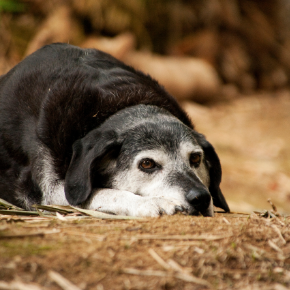
Prepare your pets for the cooler months with a check-up at Towcester Vets
As Summer moves into Autumn and the nights draw in, we see a steady stream of seasonal issues some of which are avoidable. We asked one of our Veterinary Surgeons, Catharina to highlight some of the frequent complaints, so that you can prepare to avoid these.
Ultimately, if you have any specific pet concerns, please do not hesitate to contact the team for further advice. If your pet has not had a check-up for a while why not consider booking a seasonal visit to our Towcester practice, in Burcote Road.
Five things to prepare for this autumn in Northamptonshire
- Darker nights
The risk of road injuries increases as the nights draw in. If you walk your dog later in the day, invest in a reflective collar and try to plan walks using clear well-lit paths rather than busy roads. Cat owners should aim for earlier mealtimes to get their pets to come back into the house whilst still light outside.
- Falling temperatures
A drop in temperature may exacerbate some common conditions. Keep a special eye on older pets which may suffer from arthritis. Also look after your rabbits and small furries. If you keep them outside, then insulate your rabbit’s hutch or think about extra bedding and food to keep them well fed & cosy. Where possible move outdoor hutches somewhere more sheltered over winter.
- Cars & fires
We often see injuries to pets who are seeking shelter from the cooling temperatures. So, before starting your car or lighting a fire, check for cats (or if you are lucky hedgehogs) seeking warm places to nap. Also, please do not leave dogs in your car – vehicles can overheat or freeze so please just take them with you.
- Winter Weight Gain
Hold back from giving any pet human food and help them avoid the winter weight gain. Also, despite being cooler outside, do not forget that your pet still requires a good amount of exercise, energetic indoor play is a good short-term alternative but should not replace regular walks or outdoor exercise.
- Autumn Poisons
It is advisable to read up on the most common seasonal poisons, all of which will harm your pet if ingested. These include (but not exclusively):
- Chocolate and sweet treats
- Car antifreeze
- Alcohol
- Rhubarb, raisins & dried fruit and peanuts
- Holly, mistletoe & conkers
- Rock salt used to treat roads
If your pet digests a winter poison…
- Immediately prevent further access to the poison
- Contact us on 01327 350239, do not wait for symptoms to appear
- Write down when and how much of the poison has been digested
- Watch your pet carefully and note any abnormal signs or behaviour
- Do not try and make your pet vomit unless specifically directed by one of our vets
- Bring your pet and, if you can, the poison with you to the practice
Seasonal health checks
Prevention is always better than cure. If your pet has not seen a vet for a while then why not book an Autumn heath check where we can examine your pet, discuss anything you have just read and generally prepare you all for the colder months ahead.
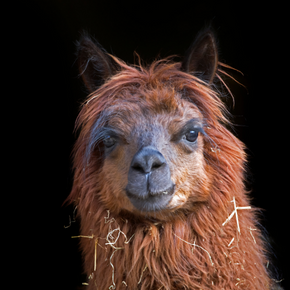
Using eye colour scoring to assess for anaemia in alpacas
A complementary check to regular body condition scoring your alpacas is to check the mucous membrane colour of the animals. This is important because alpacas are quite susceptible to being infected with haemonchus eggs (otherwise known as the Barber’s Pole Worm).
Haemonchus is a gastrointestinal parasite that attaches itself to and then sucks blood from the stomach lining which can make the alpaca anaemic. This can happen over time or in some cases can come on quite quickly.
It’s worth knowing that haemonchus is one parasite that can cause disease very rapidly and therefore can be missed by routine faecal worm egg testing. Unfortunately, cases can actually be fatal. This means that regular checks of the mucous membrane behind the lower eyelid are an essential part of the ongoing healthcare regime you should follow for your herd.
How to colour check an alpaca’s eye
To check the eye, get an assistant to hold the head firmly. Place one hand over the top of the head placing you thumb on the top eyelid and applying gentle pressure. Cup your other had under the mandible with you thumb on the bottom eyelid and pull down gently. This should reveal the membrane that sits at the bottom of the eye, below the lower lid.

When you reveal this membrane, it should show a nice reddish/pink mucosa. If the mucosa is pale or worst of all white, then that is an indication that the animal is anaemic. At that point you should call us immediately so we can take blood, get your animal tested and figure out what’s going on.
As with body condition scoring, if you’d like a bit of training in how to make these checks yourself or if you’d like us to come and check your animals for you then please contact us and we’ll send one of the team out to see you.
If you’d like to see a video on how to check the eyes of your alpaca, then this excellent video by Camelid Veterinary Services offers a step by step methodology.
The video and image sourced from Camelid Veterinary Services.