Don’t guess…test! Worm Egg Counts
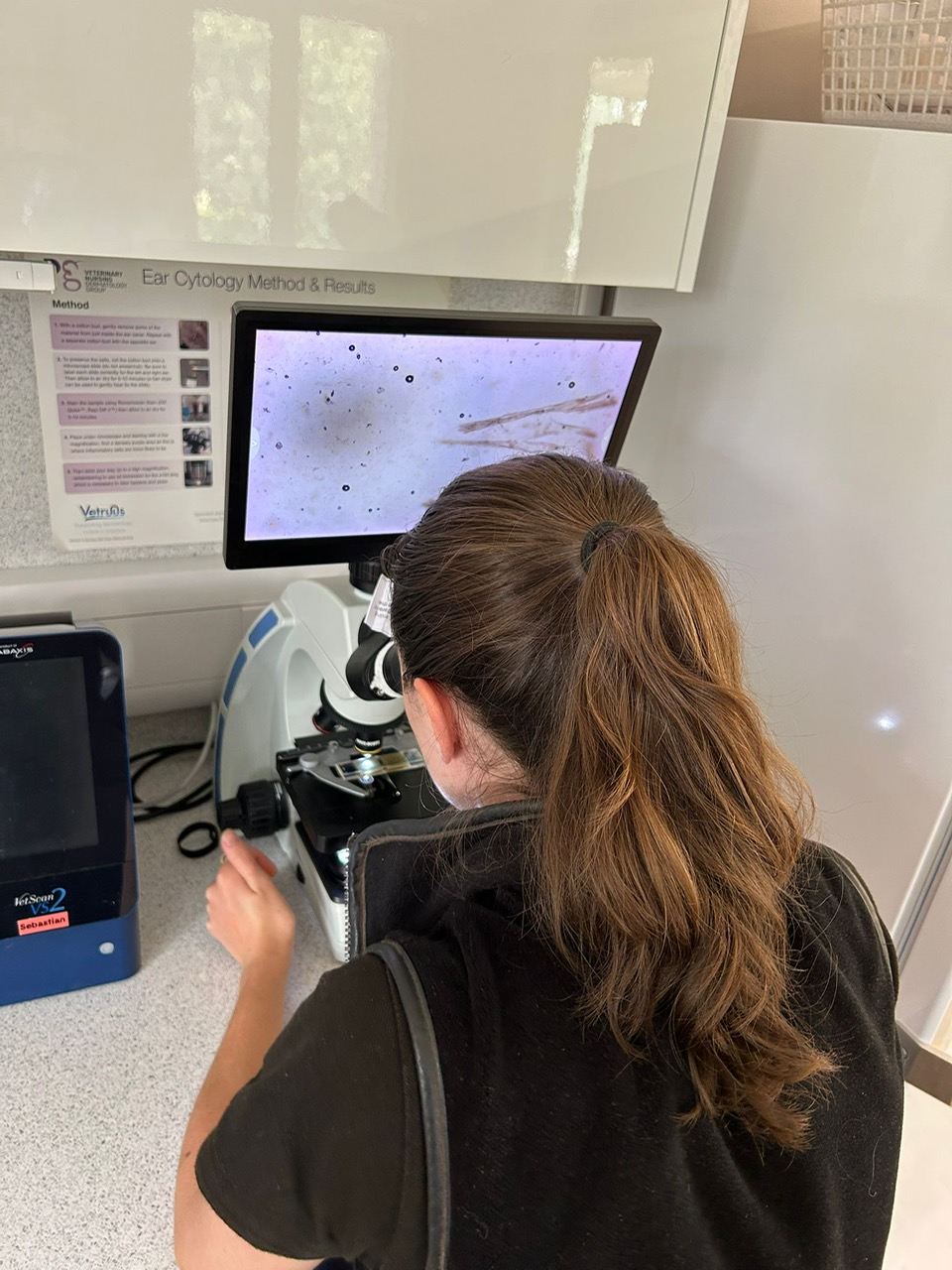
Learn to do your own worm egg counts
Worm egg counts are a key part of a sustainable parasite control plan and are essential in knowing when worming is required….and when it’s not!
We have a number of clients now undertaking their own counts on farm allowing them to test as often as they want, get results and act quickly.
If you are interested in learning to do your own worm egg count, we can offer training at the practice and advice on purchasing the equipment needed.
The cost is £60 (ex VAT) per session; Flock Health Club members receive a discounted price of £50. For more information or to book, please call the surgery.
More on worm egg counts…
Rather than guessing when to worm your animals, faecal worm egg counts should be used to test whether worming is required.
At Towcester Vets, we can carry out individual worm egg counts for £17.64 excVAT, or pooled counts for £28.30 excVAT. For pooled counts, please bring 10-15 individual samples from each group that requires testing. Our worm egg counts are suitable for sheep, cattle, goats, pigs, and chickens. Faecal samples from camelids must be sent away to a specialist laboratory. Please contact the practice before bringing in faecal samples so we can gather the relevant information and get them booked in.
After carrying out the counts, a vet will be in touch with you to discuss the best course of action. If worming is required, post-treatment counts are recommended to assess whether the wormer has been effective. These should be carried out 7 days after treatment with a yellow drench, or 14 days after treatment with any other category of wormer.
Resistance to wormers is becoming an increasing concern in the UK, meaning that many worms are no longer killed by worming products. Therefore, it is essential to only worm animals when necessary and assess wormer effectiveness using pre-treatment and post-treatment WECs. The Animal Health and Welfare Pathway can be used to claim funding for health planning in sheep and cattle, including developing a farm-specific worm control plan with a drench check test in sheep.
During 2025, we are offering your 10th WEC for free!
Further information:
https://www.cattleparasites.org.uk/
Forage Analysis
Getting forage analysed before the winter is essential to ensure cows and ewes are being fed appropriately in the run up to calving and lambing. Most feed companies will offer this service but you can now also send samples to a lab for nutritional and mineral analysis through us. Silage should be left for at least 6 weeks but preferably 12 weeks before submitting.
Ensuring animals have enough energy, protein and minerals in their diet in the run up to calving and lambing is essential for good colostrum production, easier births, calf/lamb health, ensuring good body condition so animals can milk efficiently and get pregnant again…the list goes on! Understanding whether your forage is up to the job and if additional feed is required to meet their needs is important every year but especially this year when forage may be of lower quality and in shorter supply.
Remember, suckler cows require magnesium and other trace elements in the run up to calving that cannot be provided by forage alone so providing dry cow minerals in the diet or by providing lick buckets is also key.
If you would like to discuss forage analysis or winter feeding, then please get in touch.

Eye issues on the farm
Sore, runny, and cloudy eyes are often a problem in both sheep flocks (‘pink eye’) and cattle herds (‘New Forest eye’). Whilst some cases can be relatively mild, others can lead to blindness in animals.
‘Pink Eye’ In Sheep
Pink eye is a bacterial infection which spreads rapidly through flocks due to close-contact, for example around feed troughs or hay racks. The most common route of bringing infection onto farm is through bought-in sheep.
The recommendation for pink eye currently is to only treat the worst-affected cases. Most cases are generally self-resolving and mild cases should be treated with anti-inflammatories (Animeloxan) only. Use of antibiotics too early, or in mild cases, stops the sheep’s own defence system from recognising and building immunity to the bacteria. Where immunity has not been given chance to build, then repeated treatments may be required.
Where cases are more severe, often where sheep are totally blind in the eye, then treatment with anti-inflammatories PLUS topical antibiotics (Opticlox or Orbenin) or systemic antibiotics (Alamycin LA) is warranted. Blind animals should be brought in and penned so they can have easy access to food and water, this is especially important if they are pregnant.
Prevention of spread of pink eye can be done through provision of shelter, increased feed space, and washing hands between handling affected vs non-affected sheep. As the biggest source of infection comes from bought-in sheep, then quarantining for a minimum of 28 days before mixing is an important prevention technique.
‘New Forest Eye’ In Cattle
New Forest eye is caused by Moraxella bovis, a bacteria largely spread by flies. Affected cattle have symptoms such as tear-staining, cloudy eyes, ulcers and blindness. Other conditions causing the same symptoms include foreign bodies in the eye, IBR and silage eye (caused by Listeria).
Treatment for New Forest eye is an anti-inflammatory (Animeloxan) PLUS topical antibiotics (Opticlox or Orbenin) or systemic antibiotics (Alamycin LA).
Prevention of New Forest eye is through reduction of flies (e.g. chemical pour-ons, ear tags, fly buckets, parasitic wasps) and reducing direct contact between cattle (increased feed space, isolating infected cases until resolved). Bought-in cattle can also be a reservoir of infection, so quarantining procedures are also important in control.
When animals have been treated, it is important to remember that it can take quite a long time for a badly damaged eye to fully heal. The sign that treatment is working is that the eye stops weeping within 24-48hrs although it may take weeks for the eye to look totally normal.
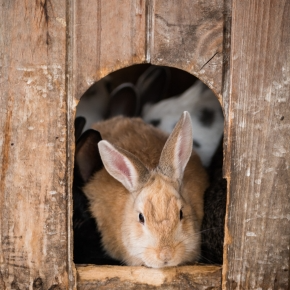
Time to Bring Small Pets Indoors in Northamptonshire?
As the seasons change from warm summer days to the cooler autumn and winter months, pet owners in Northamptonshire often wonder when it’s best to move rabbits and guinea pigs indoors. To guide you, Towcester Vets’ nursing team have put together their top tips below.
Ensuring the safety and comfort of your small furry friends during these colder months is crucial, so Towcester Vets recommend booking an autumn pet health check before winter arrives.
Towcester Vets’ Autumn/Winter Checklist
1. Monitor temperature changes
Rabbits and guinea pigs are quite sensitive to temperature fluctuations so as the weather starts to cool down in Northamptonshire, keep a close eye on the temperature both outside and in their outdoor enclosures. Prolonged exposure to cold temperatures can lead to health issues like hypothermia and respiratory infections. The general rule is that when temperatures consistently drop below 10°C (50°F), it’s time to consider moving them indoors.
2. Assess weather conditions
You should also monitor weather conditions such as rain, wind, and frost. Even if temperatures are above 10°C, heavy rain or strong winds can make outdoor conditions uncomfortable or unsafe for your pets. If severe weather is predicted or you notice a significant drop in temperature, it’s wise to bring your rabbits and guinea pigs indoors for their comfort and safety.
3. Observe behavioural changes
Your pets’ behaviour can reveal if they’re feeling the chill. Signs such as huddling together, reduced activity, or shivering suggest they’re too cold and could benefit from the warmth of being brought indoors.
4. Consider firework evenings and other ‘noisy’ events this season
Fireworks season, which typically runs from late October until early January, is also a factor to consider. Small furry pets have highly sensitive hearing, which helps them avoid predators in the wild, but can make loud, sudden noises produced by fireworks extremely distressing. Our vet nurses want Northamptonshire pet owners to understand that exposure to loud noises can lead to anxiety and panic in small pets, increasing the risk of some life-threatening conditions.
5. Prepare for indoor transition
When bringing rabbits and guinea pigs indoors, Towcester Vets’ nursing team recommend setting up a comfortable and safe indoor home:
- Space: Provide a roomy enclosure, such as a large rabbit hutch or guinea pig pen, situated in a quiet part of your home with minimal foot traffic.
- Bedding: Offer plenty of warm, absorbent bedding like hay or fleece to keep them cosy and snug.
- Temperature Control: Make sure the room is well-ventilated but free from drafts. Keep their enclosure away from radiators or heating vents to avoid overheating.
6. Maintain routine
Maintaining your pets’ regular feeding and cleaning routines is important during the transition. Keep their diet consistent, and ensure they have access to fresh water and hay at all times.
In conclusion, Towcester Vets’ nursing team advise that by paying attention to the above factors and with a little preparation, you can help ensure your rabbits and guinea pigs can enjoy a warm and happy autumn and winter indoors.
Before you go, remember to:
Book an Autumn Pet Health Check
Halloween Help – How to Keep Your Pets Safe and Happy
Halloween in Northamptonshire is just around the corner and whereas it might be all about spooky costumes and sweet treats for us, it can feel more trick than treat for our furry friends. From unexpected visitors at the door to tempting treats left within paw’s reach, there’s a lot going on that could confuse, scare or harm your pet.
To help your pets enjoy the season without a fright, the team at Towcester Vets have put together some simple safety tips to keep them calm, comfy, and out of mischief. Got questions about your pet’s wellbeing? Don’t hesitate to reach out to our team to book an appointment.
Chocolate, sweets, and spooky snacks
Treats for humans can spell trouble for pets. Chocolate is toxic to dogs and cats (and most other pets), and many sugar-free sweets contain xylitol, which is extremely dangerous if eaten by pets.
Keep it safe by:
- Storing sweets out of reach
- Keeping trick-or-treat bowls away from wagging tails
- Reminding guests not to share snacks with pets
If your pet manages to sneak a harmful snack, don’t wait – call Towcester Vets’ team on 01327 350239 straight away.
One tasty Halloween snack your dog or cat might enjoy (in moderation) is pumpkin! This versatile food can actually aid digestion and help with constipation or diarrhoea. Always ensure the pumpkin is plain, cooked, and not mixed with any harmful additives like spices or sweeteners. Moderation is key – ask our vets for more advice on this.
Not all costumes are cute for pets
Dressing up your pet can be fun, but not every dog, cat or rabbit enjoys wearing a costume. Some outfits can restrict movement, overheat them, or feel scary.
If you do want to include your pet:
- Keep it simple and comfortable
- Never leave them unattended in costume
- Watch for signs of stress like shaking or hiding
Not all pets are fans of fashion and that’s okay. A festive collar or bandana can still get them in the spooky spirit without the fuss.
Doorbell drama and unexpected guests
A constant stream of visitors in costumes can be confusing or alarming for pets – especially dogs who like to guard the house.
Help your pet stay calm by:
- Giving them a safe, quiet room away from the front door
- Turning on calming music or the TV
- Using treats or toys to distract them from the noise
If your pet is particularly anxious, book an appointment and have a chat with our vets at Towcester Vets for advice on managing stress during noisy times of year. If our vets advise to use calming aids, like pheromone diffusers, these typically need to be plugged in a few weeks before Halloween to get the best effects.
Watch the decorations
Pumpkins, candles, and hanging cobwebs make Halloween look great, but pets may see them as new toys or tasty-looking snacks.
Stay safe by:
- Using battery-operated candles instead of real flames
- Keeping decorations out of reach
- Checking that wires and lights can’t be chewed
A word on outdoor safety
Dogs and some cats may prefer to spend time outdoors, but Halloween is a night when fireworks, crowds and noisy gatherings can make the outdoors risky. If your pet normally goes outside around Northamptonshire, consider keeping them indoors for the evening. Make sure microchip details are up to date, just in case they run off!
Halloween should be fun for the whole family, including your pets. A bit of planning can help keep them safe, relaxed, and part of the celebration (in their own way). If you need advice for a nervous or sensitive pet this season, or perhaps to order some calming aids in time, contact us at Towcester Vets to book an appointment.
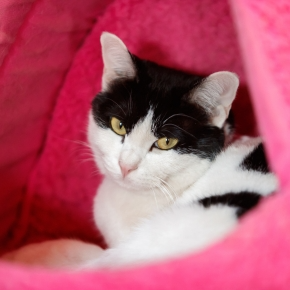
International Cat Day Fun with Our Vets in Towcester
Inspired by International Cat Day on 8 August, our team at Towcester Vets want to help you celebrate your cat’s kingdom in style – with their very own indoor fort! Whether it’s made from cardboard boxes or a blanket-draped chair, a homemade hideout can be the ultimate cat-approved treat.
Of course, if you’d like any more ideas for feline enrichment or behaviour support, our vets in Towcester are more than happy to advise you. Just contact us to arrange a chat.
Why build a cat fort?
Towcester Vets’ team explain that cats love having cosy, enclosed spaces where they can rest, observe, or hide away when things feel a bit much. A well-placed fort offers:
- A sense of security: Especially helpful for nervous or easily overstimulated cats.
- A boredom buster: New spaces to explore keep curious minds sharp and whiskers twitching.
- Bonding time: Building it together? That’s enrichment and quality time all in one.
Plus, it’s a chance for you to do something playful in their honour, and that’s what International Cat Day is all about.
How to build a cat fort
Our team at Towcester Vets ensure you there are no DIY skills needed – just a bit of imagination! Try one of these setups:
- The cardboard castle: Stack a few sturdy boxes with cut-out doorways and tunnels. Add scrunched paper, toys, or a sprinkle of catnip.
- The blanket hideout: Throw a blanket over two chairs, leaving a gap at the back for a sneaky exit route. Pop in a cushion and maybe a familiar-smelling jumper.
- The deluxe nook: Combine soft bedding or a fun covered cat bed, vertical space (like shelves or cat trees), and a view of the garden. Fort-meets-day-spa!
Make it their happy place
Towcester Vets’ team share that it’s important to let your cat choose how to use it. Some will nap, others will charge in for playtime. Keep it calm, familiar, and optional – never force them in. It can be especially helpful for cats who need a break from busy households or visiting guests.
Need more ideas for happy, calm cats? Contact us to arrange a visit to our vet practice in Towcester so we can talk about ways to support your feline buddy.
Before you go, Towcester Vets offer a wide range of vet services for cats in Towcester – take a look and see what else we can support your cat and you with.
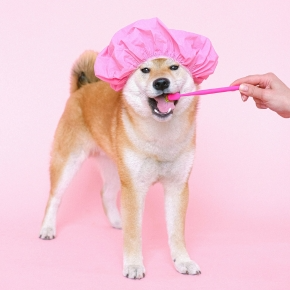
Fun Tips for Easy Pet Dental Care from Towcester Vets
Keeping your cat or dog’s teeth clean doesn’t have to feel like a battle. In fact, with a few clever tricks and some tasty rewards, our vets in Towcester believe that dental care can become a game you both enjoy. Whether you’ve got a tail-wagging dog or a sassy little cat, there’s a way to make brushing up on oral hygiene a positive part of their routine.
Worried about your pet’s teeth or breath? Learn about dental care at Towcester Vets and then contact our team for advice.
Fun tips for dental care: make oral care easier for cats and dogs
1. Get them used to having their mouth touched
Towcester Vets’ team suggest that you start small and build confidence. You can gently lift their lip while giving a treat or stroke their cheeks during cuddle time. Keep sessions short and upbeat with no pressure, just positive experiences.
2. Pick tasty toothpaste
Our vets in Towcester warn pet owners to never use human toothpaste – it’s not safe for pets. But pet-safe options come in flavours like poultry, beef or even malt. Find one your cat or dog actually looks forward to licking!
3. Find the right tools
There’s a whole toolkit of tooth-cleaning gadgets to try on your pet – it’s just a matter of finding their favourite! From long-handled, pet-specific toothbrushes with different head sizes, to soft silicone brushes that double as gentle gum massagers, there’s something for every snout. And of course, the trusty silicone finger brush is great for those who like a more ‘hands-on’ approach. Towcester Vets’ team recommend trying out a few and see which one gets the tail wag, or purr, of approval!
4. Turn it into a game
Dogs especially love turning tasks into fun. Try brushing for just a few seconds and then rewarding with play or praise. Use a silly voice, dance around and do whatever gets their tail wagging. We’re imagining lots of “here comes the choo choo toothpaste train!”
5. Try alternatives if brushing’s a no-go
If your pet is not a fan of brushing (and many cats aren’t), our vets explain that there are other options to help reduce plaque:
- Dental chews: Some are vet-approved and help scrub teeth as they chew.
- Special toys: Look for textured chew toys that work on plaque build-up.
- Water additives: Add to their bowl for invisible, fuss-free support.
Always check products with your vet at Towcester Vets, as not all are effective or safe.
Check in with your vet team
Even with home care, regular vet dental checks are essential. Our vets in Towcester will let you know if your pet’s teeth need a clean, or if there are signs of discomfort, tartar or gum issues.
Learn more about dental care at Towcester Vets.
Keeping your pet’s mouth healthy helps with overall wellbeing, and better breath too! If it’s time for a dental check-up or you’re unsure where to start, contact our team at Towcester Vets for guidance.
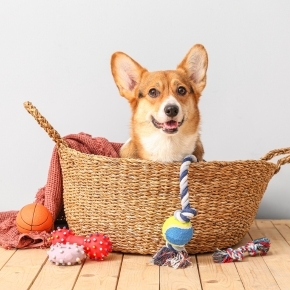
6 Pet Care Life Hacks from Pet Parents in Northamptonshire
Pet parents are a clever bunch, and our vets in Towcester have heard some truly brilliant tips shared over the years. So, we’ve gathered a few of our favourites from pet owners to help make your day-to-day pet care easier, cleaner and a bit more fun!
Need more support with your pet? Our team at Towcester Vets are here to help – just contact us and we’ll get you the advice you need.
Pet care life hacks from local pet parents
From sticky fur to sneaky pills, here’s a round-up of life hacks we’ve heard from pet owners at Towcester Vets, that are definitely worth trying:
1. Save the sofa with lint rollers on-tap
If your pet’s fur seems to magically find its way into every nook and cranny, you’re not alone. One pet owner in Stony Stratford swears by keeping a lint roller in every room (and even in the car!). Another clever idea? Drape a washable piece of fabric or a removable armrest cover over your sofa arms to catch loose hair before it sticks. It’s easy to clean and saves your upholstery from becoming a fur magnet.
2. Freezing fun for hot days
For dogs and even curious cats, freezing low-sodium stock in an ice cube tray makes a fun and cooling treat in the warmer months. You can also stuff a treat-dispensing toy with soaked kibble and freeze it – it keeps dogs busy and helps beat boredom too.
3. Wrap it up: The peanut butter pill trick
Need to give tablets subscribed by our vets in Towcester? Several dog owners told us they swear by the “peanut butter wrap” i.e. hiding the tablet in a small blob of xylitol-free peanut butter. Cats? Try a tiny ball of cream cheese or even tuna paste, and they may not even notice the meds!
4. DIY slow feeders
Got a speedy eater? One clever trick is using a muffin tin to spread out food portions and slow your pet down. Some owners hide biscuits in rolled-up tea towels or cardboard tubes for a quick, homemade snuffle game.
5. Turn toy tidying-up into a fun game
Here’s one our veterinary team at Towcester Vets love! Turn clean-up time into a game by teaching your dog to fetch and drop toys into a basket – here’s how: Start by rewarding them for picking up a toy, then gradually guide them to the basket and give treats when they drop it in. Choose a hamper that fits your decor to keep things stylish, and safe so it won’t hurt your dog if it tips up and let your clever companion handle the mess!
6. Make bath time a breeze
One dog owner in Weedon shared this genius idea: stick a lick mat (spread with xylitol-free peanut butter or plain yoghurt) to the bath or shower wall during bath time. It keeps wriggly pups occupied and turns grooming into a positive experience!
Got a life hack of your own?
We love hearing how our pet parents make life easier with their furry companions. If you’ve discovered a tip or trick that’s made your routine smoother, why not share it with our team at Towcester Vets at your next visit?
Need advice or support? Whether it’s nutrition, behaviour or grooming, our friendly vets in Towcester are here to help. Just call us on 01327 350239 or book an appointment.
Contact us for advice or to book a visit
How intelligent is your dog? Take Our Test
Although many children will be overjoyed that school is out for summer in Northamptonshire, our canine kids are always eager to learn! Have you ever wondered though, as you look into your pup’s big brown eyes whilst releasing their head from being stuck in a bin… how intelligent is my dog?
Humans have been testing dog intelligence for decades and our veterinary nurses in Towcester have pulled together some fun facts about just how intelligent dogs can be.
8 Facts about how intelligent (some) dogs are
1. Dogs can learn over 200 words: Some even understand more than 1,000, like Chaser the Border Collie.
2. Dogs learn by inference: They can figure out what a new word means by eliminating known options, just like a toddler would.
3. Top dogs learn commands in fewer than 5 tries: Plus, they obey them 95% of the time (according to Dr. Stanley Coren’s research).
4. Dogs have emotional intelligence They read human facial expressions, respond to tone of voice, and can even mirror moods. Towcester Vets’ team share that this is why anger-led discipline can have such a negative impact on a dog’s wellbeing and behaviour.
5. They solve problems Many dogs can open latches, doors, or puzzle toys without training, using trial and error.
6. Dogs understand pointing This human gesture is not understood by most animals, but dogs follow it naturally, even better than chimpanzees.
7. They can deceive Some dogs have been shown to hide food or pretend not to know something if it benefits them.
8. Dogs are socially smart Dogs can form attachments, navigate complex pack dynamics, and learn socially from other dogs and people.
Does this sound like your bin-diving bestie?
Our team at Towcester Vets have also put together a set of challenges to help you find out just how clever your dog is. Download our dog test and have a bit of fun with your pet!
If you would like any pet care advice or wish to discuss your pet’s health, our vets in Towcester are here to help. Just give us a call on 01327 350239 and book an appointment for your pet.
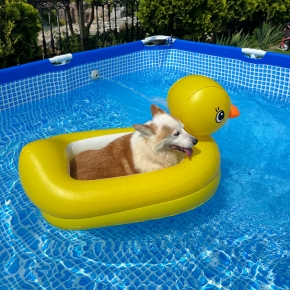
Summer Pet Water-Safety Tips from Towcester Vets
As the temperature climbs in Northamptonshire, water becomes essential for helping our pets stay cool and comfortable, but did you know it can also pose hidden risks? From paddling pools to drinking bowls, it’s important to know when water is a pet’s best friend… and when it could become a danger.
Our veterinary team at Towcester Vets have put together some water-safety tips below. If you have any concerns about summer heat risks for your pet, then please contact us for pet-specific advice.
The good: hydration, cooling and enrichment
Water is vital all year round, but especially in summer. Fresh drinking water should always be available, and for dogs and rabbits in particular, it’s worth checking their bowls or bottles more than once a day. Some pets enjoy a gentle cool-down too:
- Dogs may like a splash in a paddling pool or a walk by a stream in Northamptonshire.
- Cats often prefer a shaded spot and a quiet water bowl, some even love a water fountain.
- Rabbits don’t need to get wet but benefit from cool ceramic bowls and occasional misting (on ears only – never soak them).
The risks: not all water is safe
As with all good things, too much water, or the wrong kind, can be harmful. Here are a few summer-specific dangers to keep in mind:
Water toxicity in dogs
Our vets in Towcester advise that if a dog swallows large amounts of water while playing (especially in paddling pools or during ball-chasing), it can lead to water intoxication – a rare but potentially fatal condition. Signs include vomiting, lethargy, bloating and loss of coordination. It’s more likely in smaller dogs or those who love repetitive water games.
Tip: Keep play sessions short and break them up with rest. Don’t encourage constant water-chasing or gulping.
Stagnant or dirty water
Lakes and ponds around Northamptonshire, and even garden water features can carry bacteria, parasites, or harmful algae. Rabbits and cats are less likely to drink from these sources, but dogs often do – so try to steer them away.
Slippery surfaces and soggy fur
Our vets explain that for cats and rabbits, wet fur can be uncomfortable and potentially lead to chilling or skin irritation. And if rabbits get too damp, they may be at risk of flystrike, especially if their rear stays wet.
Safe water habits
- Refresh water bowls daily, more often in hot weather
- Provide shade near drinking areas
- Dry wet pets gently and thoroughly
- Avoid forcing pets to swim or get wet
- Always supervise pets in water i.e. paddling pools or when swimming in rivers or lakes
Contact our vets in Towcester if you have any concerns about hydration, heat risks, or summer safety for your pet.