Cat Territory Issues? Read Tips from Towcester Vets
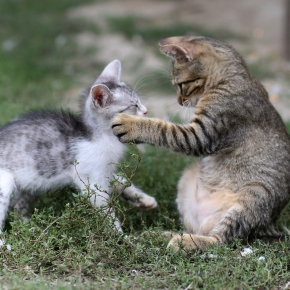
So, you’ve decided to introduce a new feline friend to your home in Northamptonshire – exciting! But if you’ve already got a cat or two patrolling the place, you might find the welcome committee is a bit… frosty.
Cats are famously territorial creatures. They like their space, their routines, and their very particular way of doing things. So how do you keep the fur from flying when a new whiskered lodger arrives? Read the advice below from our vets in Towcester and contact us to talk about specific tips for your cat.
Contact us for tailored advice
Take it slow (we mean really slow)
Towcester Vets’ team advise not to rush introductions. Let your new cat settle in a separate room first with all the essentials – litter tray, food, water, scratching post and a few cosy hideaways. This gives them time to relax without a curious (or grumpy) resident cat breathing down their neck.
Swap scents before face-to-face meetings
Smell is everything to cats. Rub a cloth over each cat and swap them around so they can sniff before they see. You might also try swapping bedding – sharing a snooze scent can work wonders.
Controlled introductions work best
When they’re both comfortable with each other’s scent, crack open the door (or use a baby gate) so they can see each other safely. Keep things calm and brief. If tails puff up or growls start flying, back off and try again later.
Don’t force friendship
Some cats become besties. Others simply learn to tolerate each other’s existence with dignified disinterest. Towcester Vets’ team confirm that this it’s perfectly fine! Let them set the pace and always provide multiple resources (bowls, beds, litter trays) to avoid any turf wars.
Watch for signs of stress
If one cat seems withdrawn, stops eating or starts marking their territory (yes, that kind of marking), it’s a sign they’re not feeling happy about the newcomer. A chat with our vets in Towcester can help rule out health concerns and offer a tailored plan – don’t hesitate to call us on 01327 350239.
Paws for thought
Welcoming a new cat to your home in Northamptonshire is a lovely thing, but it’s not always smooth sailing, especially where territorial tails are involved. With a bit of patience and some careful planning, most cats will adapt in their own time.
Contact our vets at Towcester Vets for tailored advice if you’ve got a feline feud brewing or want help making first introductions go more smoothly.
Contact us for specific advice

Towcester Vets’ Guide to Building a Dog Obstacle Course
Looking for fun ways to keep your dog busy this summer in Northamptonshire, without overheating? A homemade obstacle, or agility course could be the perfect boredom buster!
Towcester Vets’ nursing team have come up with some fun ideas to try below. If you’d like to our vets in Towcester to check over your dog before they try a new form of exercise, just book an appointment for a health check.
Why dogs love obstacle courses
When it’s too warm for long walks in Northamptonshire or wild zoomies in the park, a DIY obstacle course at home is a great alternative. It keeps your dog’s body moving and brain buzzing, all in the safety of your garden. Best of all, it’s a fun bonding activity and your dog gets to work with you as a team, learning new skills and enjoying plenty of praise along the way.
Health and wellbeing benefits
Towcester Vets’ nursing team explain that obstacle courses aren’t just about fun, they’re brilliant for:
- Physical exercise – great for high-energy dogs who need a summer outlet
- Mental stimulation – working through obstacles helps build focus
- Confidence-building – trying new things and succeeding boosts self-assurance
- Bonding time – teamwork builds trust and a stronger relationship
Make it safe and simple
Our nurses at Towcester Vets advise keeping your obstacle course low-impact and heat-aware, particularly during summer:
- Use soft or padded materials like cushions, tunnels and pool noodles
- Keep jumps low, especially for older dogs, small dogs or young pups
- Play early morning or evening when it’s cooler in Northamptonshire
- Always have water available and offer regular breaks
- Don’t force your dog to try anything they’re unsure about
Fun ideas to try
Keep things light-hearted and safe and remember, the best reward is your dog’s waggy tail at the end!
- Weave poles made from plant pots or cones
- A blanket tunnel between garden chairs
- Hop-over broomsticks resting on bricks
- ‘Wait’ and ‘go’ games using treats
Need health advice before starting something new? Book an appointment with our team at Towcester Vets via our website, or by calling us on 01327 350239, and our vets can check your dog’s joints, weight or fitness before trying your obstacle course.

Which Summer Plants are Safe for Dogs, Cats and Rabbits?
From bright bedding plants to shady garden shrubs, summer blooms can be beautiful, but not all are safe for pets. So, what can you plant with peace of mind around dogs, cats and rabbits in Northamptonshire?
Keep reading to find out! Our team at Towcester Vets have also pulled together a guide on dangerous plants to help you before you start planting your garden – download our guide now. If you are concerned your pet may have ingested something poisonous, call us on 01327 350239.
Download our dangerous plants list
Not all plants pose a risk
While it’s easy to focus on the dangerous ones, it’s good to know there are plenty of pet-friendly plants you can enjoy. If your pets are prone to nibbling, choose safe species for your Northamptonshire garden that won’t cause problems if chewed or accidentally ingested.
Safe summer picks for pets
Recommended by our team at Towcester Vets, here are a few commonly grown garden plants that are non-toxic to dogs, cats, and rabbits:
- Sunflowers – bright, bee-friendly, and safe for all three species
- Snapdragons – colourful and harmless
- Camellias – non-toxic and evergreen
- Roses – classic, safe, and scent-filled (watch for thorns!)
- Marigolds (Calendula officinalis) – the pot marigold is fine; French or African marigolds are best avoided
- Lavender – safe in small amounts; overexposure can cause mild tummy upsets if pets eat a lot
Herbs that are both pretty and pet-safe
Many herbs are useful to grow and safe around pets in Towcester. Try:
- Basil
- Coriander
- Rosemary
- Thyme
- Dill
Towcester Vets’ team advise that rabbits especially may enjoy a few fresh herb sprigs as part of their regular diet.
Always double-check before planting
Some popular summer plants, including lilies, foxgloves and hydrangeas, can be highly toxic. Even common garden plants around Northamptonshire that seem harmless can cause serious symptoms in pets. Our vets at Towcester Vets advise to always check plant labels and cross-reference with a reliable pet-safe list before planting – like our dangerous plants guide.
Watch where they wander
Even safe plants can cause mild stomach upsets if eaten in large quantities. It’s also worth noting that rabbits are natural foragers and may eat a wide range of garden plants, so supervise free-roaming time or limit access with pet-safe fencing.
Know the signs of trouble
If you’re unsure whether your pet has eaten something safe, look for:
- Vomiting or diarrhoea
- Drooling or pawing at the mouth
- Lethargy or wobbliness
- Changes in appetite or behaviour
If in doubt, call our Towcester Vets’ team on 01327 350239 straight away. It helps to know what your pet may have eaten and how much, so keep labels or a plant photo to hand.
Download our dangerous plants list
Accidents can happen, especially during garden gatherings or walks. It’s a good idea to keep our emergency information to hand, just in case you need help quickly.
Help Cats Avoid Heatstroke with These Summer Garden Ideas
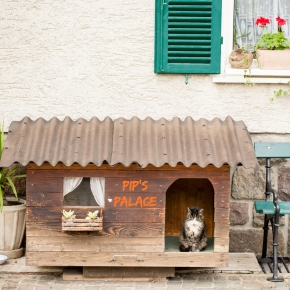
Ever find your cat mysteriously missing on a hot day, only to spot a pair of eyes blinking at you from the compost bin? Cats are natural shade-seekers and summer turns your garden into their hide-and-seek playground. Our vets in Towcester warns cat owners to watch for overheating during the hotter days as your cat could be at risk of heatstroke – initial signs of heatstroke in cats include drooling, wobbliness, and fast breathing.
If in doubt, call us straight away and speak to our team at Towcester Vets.
Create a cool space for your cat this summer
Secret garden: classic cat hiding spots
Our experienced vets in Towcester explain that in warm weather, most cats won’t sunbathe for long. Instead, they’re off to find cool, shady hideouts to snooze the day away. Here are some favourite feline shelters:
- Under the shed or decking – dark, cool, and perfect for vanishing into thin air
- Among the plants – cats love to flatten themselves under bushes or nestle in flowerbeds
- Behind bins or compost heaps – not the most glamorous spot, but definitely shady and hidden
- Inside garden furniture – chairs with covers or hollow storage benches can be sneaky nap spots
- Greenhouses and garages – whether nearby or further afield in Northamptonshire, these are risky places if doors close behind them
Cats are great at finding shade, but not all their choices are safe, especially if they involve tight spaces or hidden corners that get hot quickly.
Build them a shady summer retreat
Giving your cat their own cool space means they can relax outside without ending up somewhere too hot or hard to reach. Our vets recommend trying these simple ideas:
- Pop up a small canopy with a towel or blanket stretched over garden chairs
- Use a cardboard box turned on its side in a shady spot (they’ll love it!)
- Place a cat bed or towel inside a covered area so it feels inviting
- Add water nearby and maybe even a breeze from a battery fan for extra comfort
Rain? No problem: Cosy shelters for all weathers
Summer weather in Northamptonshire isn’t always sunshine and sunbathing. If your cat loves spending time outdoors, it’s worth creating a sheltered spot that offers shade and rain cover. Here’s how:
Plastic storage boxes
Turn one on its side or cut a doorway into it, pop a towel or mat inside and place it in a shaded spot. Add a small overhang or prop it under a garden table to stop rain from getting in.
Waterproof cat houses
You can buy outdoor cat shelters made from weather-resistant materials around Northamptonshire. Look for one with a raised floor to keep things dry and cosy.
DIY wooden shelters
A simple wooden crate with a slanted waterproof roof (like old roofing felt or a tarp) can double as a rustic hideaway. Just make sure anything you build is:
- Stable and secure (no wobbly structures)
- Free from sharp edges and sticking out nails
- Well-ventilated (especially in warm weather)
- In a shaded, quiet area away from dogs or noisy footfall
Keep an eye out!
Always double-check garages, sheds and greenhouses before shutting doors in summer as curious cats have a knack for sneaking inside unnoticed. If your cat does go missing, it’s worth checking if they’ve gotten stuck in a neighbour’s outbuilding.
Our vets in Towcester remind you to call us on 01327 350239 straight away if your cat shows signs of heatstroke, so we can attend to them swiftly. See our opening times.
Contact us if you have any concerns
Nine Things Our Veterinary Nurses in Towcester Can Help With
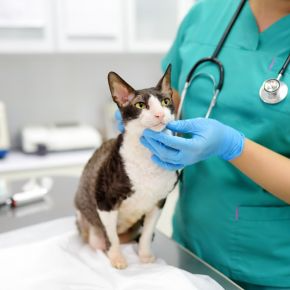
May is Veterinary Nursing Awareness Month, making it the perfect time to celebrate our amazing vet nurses! They’re the friendly faces who keep pets happy and healthy behind the scenes at Towcester Vets, and they do far more than you might think.
Here are nine fantastic ways they can help you and your pet in Towcester. If you need help with any of the services listed below then book an appointment with our nurses and they´ll be happy to help.
Nine things our veterinary nurses can help you with
1. Weight management and nutrition
From weight management support to advice on the right type of nutrition, our nurses run clinics in Northamptonshire to help keep your pet in top shape. They offer practical advice and hands-on care tailored to your pet’s needs.
2. Puppy and kitten advice
New pet parent? Towcester Vets’ nurses are here to guide you through vaccinations, feeding, training tips, and everything in between.
3. Nail trims and grooming help
Struggling with overgrown nails? Our nurses can safely trim them, reducing the risk of discomfort and injuries. They can also advise on grooming and coat care, especially for long-haired breeds.
4. Dental care checks
Bad breath isn’t just unpleasant – it could mean dental disease. Our nurses can check teeth, offer brushing tips, and recommend treatments to keep those pearly whites shining. They will then refer your pet to one of our vets in Towcester if needed.
5. Senior pet support
Older pets need extra care, and our nurses can help with arthritis advice, mobility tips, and diet plans to keep them comfortable in their golden years.
6. Microchipping
Lost pets in Northamptonshire are every owner’s nightmare. A quick microchipping appointment with a nurse ensures your pet is given the best chance of being reunited with you should they go missing.
7. Parasite prevention
Fleas, ticks, and worms – no thanks! Towcester Vets’ nurses can recommend and administer the best parasite treatments to keep your pet protected all year round.
8. Post-op and wound care
If your pet has had surgery or an injury, our nurses in Towcester provide aftercare, dressing changes, and wound checks to ensure a smooth recovery.
9. Behavioural advice
If you have an anxious or stressed pet, our nurses offer guidance to help you manage behaviour and diet concerns with confidence.
Our veterinary nurses in Towcester are an essential part of your pet’s care team, always ready to offer advice and practical support. Book a nurse appointment to take advantage of their fantastic skills and ensure your pet gets the best care possible!

Latest on Bluetongue
Bluetongue update (correct as of early September 2025)
At the time of writing there have been 26 cases of bluetongue reported and clinical cases have been seen locally in Oxfordshire and Buckinghamshire. We are still urging everyone to consider vaccination as this is our only tool to protect against this disease. The peak of cases isn’t expected until September and cases will be expected beyond this so it isn’t too late to vaccinate!
Latest info here Bluetongue: latest situation – GOV.UK
Are you considering vaccination?
The risk of bluetongue cases this year is still high so we are still urging people to consider vaccination.
Although the vaccines are licensed for use in pregnancy, we are ideally avoiding vaccinating in early and late pregnancy. Now is therefore an ideal time to vaccinate sheep to ensure they are protected later in the year. Sheep have generally been severely affected by bluetongue with mortality rates of up to 70% in clinical cases. If you are considering vaccinating your flock, please do get in touch as soon as possible as vaccine supplies are a little slow so we do need to order in advance to ensure we get the products in.
Cattle have been less severely affected though there are now cases of infection affecting fertility. Poor pd rates, abortions, stillbirths and ‘dummy’ calves born infected with the virus have now been reported. Milk drop would also be seen in affected dairy cows. Timing vaccination for cattle is more difficult when trying to avoid early pregnancy but do get in touch if you want to discuss how to protect your cattle this year.
Please be aware that after vaccination, the ear tag numbers of all animals must be reported to APHA within 48 hours and any unused vaccine must be returned to the practice.

Lameness: Foot rot or CODD?
Foot rot or CODD: Which is which and why does it matter?
Lameness in sheep is an ongoing issue that many of our farmers face, and with changing guidance and emerging diseases it can be difficult to know how to best approach the problem! The most common causes of lameness are scald, Foot rot and Contagious Ovine Digital Dermatitis (CODD), and it is important to distinguish which are present in your flock so that appropriate treatment steps can be taken.
Scald
- Pink to red discolouration of the skin between the claws of the hoof
- May have a white or grey pasty material between the claws and a strong smell
Foot rot
Foot rot is a progression on from scald and is caused by the same species of bacteria.
- The lesion is still based between the claws of the hoof but with grey pus and a foul smell
- The horn of the hoof can start to detach and peel off, beginning in the interdigital space
CODD
CODD was first identified in the UK in 1997 but by 2017 it was estimated that 50% of UK flocks were affected. It is caused by a different species of bacteria to the species that is involved in scald and foot rot, and therefore requires different antibiotics to treat it.
- The initial lesion occurs at the top of the hoof, at the junction between the horn and the haired skin, rather than between the claws
- Hair loss is seen and red, ulcerated lesions
- The horn of the hoof starts to detach, starting from the top rather than the interdigital space. The whole hoof capsule can fall off
Treatment
| Antibiotic spray | Antibiotic injection | Foot bathing | Foot trimming | Footvax | Isolate | |
| Scald | Yes | No | Yes | No | Yes | Isolate affected animals or footbath the whole group and move to pasture that hasn’t been grazed for 2 weeks |
| Foot rot | Yes | Yes (*see below) | No | No | Yes | Separate affected animals to reduce spread |
| CODD | Yes | Yes (*see below) | No | No | Doesn’t provide immunity against CODD but can reduce disease where mixed infections are present | Bacteria can survive for a long time in the environment and on hands and equipment, so affected animals should be isolated and equipment and hands should be disinfected |
Correct and prompt treatment for lame sheep is very important to improve success rates. Different antibiotic injections are recommended for Foot rot and CODD and therefore it is important to know which are causing problems in your flock, or whether there is a mixture of different infections. While routine foot trimming used to be recommended, new research has shown that it can delay healing in lame sheep and is a very effective way of transmitting bacteria between animals! Additionally, foot bathing is effective at reducing bacterial levels on feet and can help to prevent scald and Foot rot, but the products used are irritant and can damage the exposed sensitive tissues in Foot rot and CODD cases. For all causes of lameness it is recommended to separate affected animals to minimise spread, and to cull repeat or chronic cases.
More information: AHDB’s 5 point plan for lameness Reducing lameness in sheep | AHDB

Red Tractor Standards
Changes to Red Tractor Standards
On 1st February 2025 changes were made to Red Tractor Standards. The aspects that affect the veterinary review for Beef and Lamb, and Dairy farms, are as follows:
- Farms that have completed an Animal Health and Welfare Pathway Review in the last 12 months, do not need to carry out a separate Red Tractor health and performance review.
- Prophylactic administration of antibiotics is only permitted in exceptional circumstances.
- Prophylactic administration is when an animal is treated before clinical signs of disease. This includes using antibiotics in healthy animals to prevent diseases like watery mouth in lambs or pneumonia in calves.
- Exceptional circumstances include where the risk of an infection is very high or the consequences of not prescribing the product are likely to be severe. For example, if cases of watery mouth have been identified during lambing, it may be appropriate to treat high risk lambs with antibiotics.
- A vet must record the rationale if antibiotics are used prophylactically.
- A management review must be carried out by the vet within three months if a whole group of animals is treated with antibiotics prophylactically.
- Additional changes for dairy herds:
- Specific reference to dry cow therapy must be made in the Health Plan and Health and Performance Review.
- At least one person who is responsible for administering medicines must have undertaken a responsible use of medicine course within the last 5 years.
- If you require a medicine training refresher, please get in touch with the surgery.
- If two antibiotic residue failures occur within 12 months, the BCVA or Dairy UK investigation form must be completed.
More information: https://redtractorassurance.org.uk/our-standards/
Our Vets Warn Cat Owners in Northamptonshire About Overgrooming
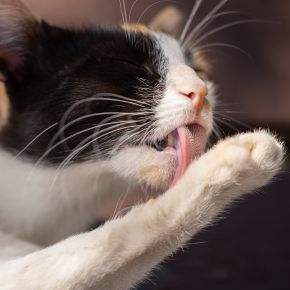
Cats are naturally clean animals, spending a good portion of their day grooming. However, if your cat is scratching excessively or overgrooming to the point of fur loss or skin irritation, there may be an underlying issue that needs attention.
Our vets at Towcester Vets share some of the key reasons for scratching and when cat owners in Northamptonshire should seek veterinary advice from our team. If you´re concerned about your cat, reach out and book an appointment to chat and get your cat checked over.
Cat excessively scratching or overgrooming?
Excessive grooming and scratching in cats are commonly encountered behavioural signs that may indicate an underlying medical or psychological issue. While grooming is a normal and healthy activity for felines, However, our vets warn that over-grooming – to the point of hair loss, skin irritation, or the development of lesions should be discussed with our team at Towcester Vets.
There are several factors that can cause cats to groom excessively, including:
- Fleas and parasites – Even indoor cats can pick up fleas, leading to intense itching and excessive grooming.
- Allergies – Cats can develop allergies to food, pollen, dust mites, or even certain fabrics and cleaning products.
- Skin conditions – Bacterial or fungal infections can cause discomfort and excessive licking or scratching.
- Pain or discomfort – Cats may overgroom a specific area if they have an injury, arthritis, or another underlying health problem.
- Stress and anxiety – Changes in the home, new pets, or even boredom can lead to compulsive grooming as a coping mechanism.
Cats are highly sensitive creatures and over-grooming may be a manifestation of stress, anxiety, or boredom. This is often referred to as psychogenic alopecia and is typically diagnosed when our vets in Towcester have ruled out medical causes. Early intervention is key, as chronic self-trauma can lead to secondary infections and persistent discomfort.
If you notice any of the following, it’s time to seek veterinary advice from our team at Towcester Vets:
- Bald patches or thinning fur
- Red, inflamed, or scabby skin
- Excessive licking, biting, or scratching
- Increased hairballs due to swallowed fur
- Changes in behaviour, such as hiding or irritability
A veterinary check-up at Towcester Vets can help determine the cause of your cat’s excessive grooming. We may recommend flea treatments, allergy management, skin treatments, or stress-reducing strategies tailored to your cat’s needs.
Towcester Vets’ Nurses Answer: Why Dogs Chew
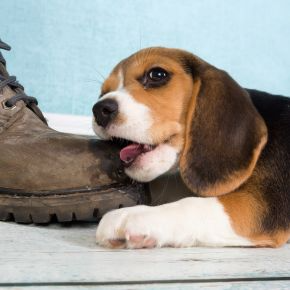
As a dog owner in Northamptonshire you may have found yourself wondering when your puppy or adult dog will stop chewing everything in sight – from shoes to furniture to even your favourite socks! Chewing is a perfectly natural behaviour for dogs, but the question is: when does it stop?
If you’re struggling with your dog’s chewing habits, Towcester Vets’ nurses are here to help! Contact us today for advice on how to manage this common behaviour and ensure your pup’s wellbeing.
When will my puppy or adult dog stop chewing?
Puppies: teething and exploration
Towcester Vets’ nurses explain that puppies, just like human babies, go through a teething phase. This typically occurs between 3 to 6 months of age, when their baby teeth fall out and are replaced by adult teeth. During this time, puppies chew on things to relieve discomfort and to explore their world. Chewing helps them understand their environment, too – it’s an important part of their development.
While the teething phase is temporary, it can feel like a never-ending battle to protect your belongings. However, with patience, appropriate chew toys, and consistent redirection, this stage will pass. By around 6 months, your puppy’s adult teeth will have come through, and they should begin to settle down a bit.
Adult dogs: a different motivation
Our veterinary nurses in Towcester advise that for adult dogs, chewing can be a sign of boredom, anxiety, or simply a way to expend energy. If your dog hasn’t been taught what’s appropriate to chew, they may continue to chew on furniture, shoes, or even walls. This behaviour may persist for several years if not properly addressed.
It’s important to note that some dogs are naturally more inclined to chew than others, particularly breeds with a high energy level or strong prey drive. Chewing is also a way to relieve stress, so if your dog is anxious, they may chew more to self-soothe.
When to seek help
If your dog’s chewing is excessive or destructive, it’s a good idea to assess their environment and needs. Are they getting enough physical exercise in Northamptonshire and mental stimulation? Are they feeling stressed or anxious? In some cases, chewing can be a sign of an underlying health issue, like dental problems, so it’s always worth discussing with one of Towcester Vets’ veterinary surgeons.
If you’re struggling with your dog’s chewing habits, our nurses at Towcester Vets are here to help! Contact us today for advice on how to manage this common behaviour and ensure your pup’s wellbeing.
Coming home to discover that your puppy has just chewed an expensive new pair of shoes can make you question the wisdom of getting a dog. But learning why dogs chew can go a long way to reducing the risk that more of your belongings will end up tattered and dog-eared. You can do this by contacting Towcester Vets’ nurses for further guidance and support tailored to your dog’s needs!