Winter Walk Preparation for Senior Dogs in Towcester
As winter approaches, many pet owners focus on keeping their elderly companions warm, but mobility safety deserves equal attention. Senior pets face unique challenges navigating icy pavements and slippery surfaces, making winter walks around Northamptonshire potentially hazardous for our four-legged friends.
Below, our vets at Towcester Vets have compiled some tips on how to prepare your dog for winter walks to avoid accidents or illness. Should your pet injure themselves while outside, our emergency services are available 24/7 in Towcester.
Understanding senior pet vulnerabilities
Ageing affects pets much like humans – joints stiffen, balance deteriorates and reflexes slow. Arthritis, common in older dogs, reduces flexibility and makes recovery from slips more difficult. Combined with decreased muscle mass and potential vision problems, these factors create a perfect storm for winter accidents. Senior pets also tend to be less confident on unfamiliar surfaces, making them more cautious but paradoxically more likely to stumble when they encounter unexpected ice patches while outside in Northamptonshire.
Pre-walk preparation
Before venturing outdoors, Towcester Vets’ team advise that you examine your pet’s paws carefully. Trim overgrown nails that might catch on uneven surfaces, and clip excess fur between paw pads that could collect ice balls. Consider protective booties – whilst many pets initially resist them, they provide excellent grip and warmth. For dogs reluctant to wear boots, paw wax offers an alternative. Apply a thin layer to paw pads before walks to improve traction and prevent ice accumulation.
Dog walking advice
1. Route planning and timing
Choose familiar routes around Northamptonshire your pet knows well, avoiding steep slopes and areas prone to black ice. Stick to gritted paths when possible, though be mindful that rock salt can irritate sensitive paws. Time walks strategically. Mid-morning often provides the safest conditions as overnight frost begins melting but hasn’t yet refrozen into treacherous evening ice.
2. Walking techniques for safety
Towcester Vets’ team advise keeping your senior pet on a shorter lead for better control but avoid sudden tugs that might unbalance them. Walk at their pace, allowing extra time for cautious navigation. If your pet seems hesitant about a particular surface, trust their instincts and find an alternative route. On particularly icy days, consider carrying smaller dogs over the worst patches, or invest in a supportive harness that allows you to provide stability without straining their neck.
3. Post-walk care
Always rinse and dry paws thoroughly after winter walks to remove salt and debris. Check for cuts, cracks or signs of frostbite, particularly between the toes.
Indoor alternatives for dogs
Don’t feel guilty about skipping outdoor adventures on treacherous days. Senior pets often appreciate gentle indoor activities – puzzle feeders, hide-and-seek games or simply extra cuddles can provide mental stimulation without physical risk. Remember, a cautious approach to winter walks around Northamptonshire ensures many more happy adventures together once spring returns.
In case of an emergency this winter, call us on 01327 350239 – take a look at our emergency vet service in Towcester information.

Understanding Hoof Abscesses
With the weather getting wetter foot abscesses are becoming more common. Knowledge of the common signs can help to catch abscesses early and treat them swiftly.
What causes foot abscesses?
Although abscess can occur year-round, changes in the weather especially in the spring and fall can increase the risk of hoof cracks or damage which allows bacteria to enter. When bacteria becomes trapped within the hoof wall, an abscess (pocket of pus or exudate) forms. The pressure build-up leads to pain and the clinical signs listed below.
What are the signs of a foot abscess?
Signs of foot abscess can vary from mild to severe but usually consist of the following:
- Lameness
- Reluctance to weight bare on the affected foot
- Swelling of limb
- Warmth to the touch of the hoof wall or limb
- Bounding digital pulses (to feel place hand over sesamoid bones at the back of the fetlock with gentle pressure)
- Discharge coming from the hoof or near coronary band
- Foul smell coming from hoof
- Object punctured in hoof such as a stone or nail can create a foot abscess so management may be necessary for and hoof penetration injuries
How are foot abscesses diagnosed?
Abscesses are diagnosed based on history and findings on clinical examination. Usually, an abscess that is near the sole can be located using hoof testers to apply pressure to areas of the hoof. Due to the high pressure within the abscess pain will be elicited when the affected area is pressed.
In some cases of chronic abscesses diagnostic imaging (x-ray) will be used to identify the abscess tract and guide drainage. Recognising signs and treating early can avoid the need for diagnostic imaging.
How are foot abscesses treated?
Foot abscess treatment can be frustrating dependent on location. If the abscess is easy to access, then the vet can open the abscess with a hoof knife to allow it to drain.
To encourage draining or help draw out an abscess, these strategies could be utilised:
- Application of a poultice pad to the foot (over the abscess location if known)
- Soak the hoof in a bucket of warm water and Epsom salt for 15-20 minutes 1-2 times daily.
Pain relief (such as phenylbutazone) may be dispensed by the vet to manage the horse’s comfort. The hoof should be kept clean and dry during treatment to prevent re-infection.
How can I reduce the risk of hoof abscesses?
Although it isn’t possible to completely prevent a foot abscess there are some strategies that can lower the risk of you horse developing a hoof abscess, these include:
- Ensure your horse’s environment is clean and dry by picking up manure and urine daily and keeping horses of very wet/muddy pasture.
- Keep your horse on a routine farrier schedule.
- Ask your farrier about your horse’s hoof health and whether it needs any additional care.
- Clean hooves out daily and check for any foreign objects. Always pick up any nails, metal, glass, or other sharp objects.
Danielle Bowles BVMedSci (Hons) BVM BVS MRCVS
Tiny Paws, Big Needs: Keeping Very Young Pets Warm and Safe
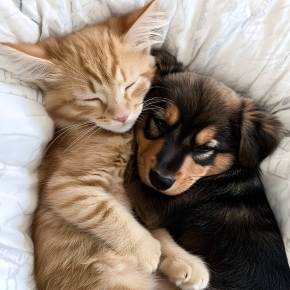
Puppies and kittens are bundles of joy, but they’re also incredibly vulnerable during their first few months of life. As winter approaches, these tiny companions face unique challenges that require special attention from devoted pet parents. Understanding their specific needs can mean the difference between thriving and merely surviving the colder months.
Got a new puppy or kitten? Register your pet with us at Towcester Vets and then book a check-up with our vets in Towcester.
Book a puppy or kitten check-up
Why young pets struggle with the cold
Very young animals haven’t yet developed the ability to regulate their body temperature effectively. Unlike adult pets, puppies and kittens under twelve weeks old lack sufficient body fat and muscle mass to generate adequate heat. Their small size means they lose warmth rapidly, whilst their immature nervous systems struggle to trigger appropriate responses to cold stress.
Additionally, young pets spend considerably more time sleeping than adults – up to twenty hours daily – making them particularly susceptible to becoming chilled whilst resting.
Creating the perfect warm environment
Our vets at Towcester Vets advise that temperature consistency is crucial for young pets. Maintain indoor temperatures between 21-24°C, avoiding draughty areas near doors, windows, or air vents. Use a reliable thermometer to monitor conditions, as what feels comfortable to humans might still be too cold for tiny pets.
Provide multiple warm sleeping options throughout your home. Heated pet beds designed for young animals offer safe, consistent warmth, whilst fleece blankets and washable bedding allow for frequent cleaning – essential given young pets’ tendency towards accidents. Consider setting up a designated “warm room” where your pet can retreat when feeling chilly, equipped with their favourite bedding and toys.
Outdoor adventures and limitations
Young pets shouldn’t venture outdoors in Towcester until they’ve completed their vaccination course, typically around twelve to sixteen weeks. When they are able to go outside, youngsters need careful cold weather management:
- Limit outdoor exposure to brief toilet breaks during harsh weather.
- Watch for signs of distress including shivering, lethargy, or reluctance to move and bring them inside immediately if these occur.
- Invest in appropriately sized puppy or kitten clothing for outdoor excursions around Northamptonshire. Ensure garments fit properly without restricting movement or circulation.
Nutrition for warmth and growth
Young pets require significantly more calories per pound than adults, partly to fuel their rapid growth and partly to maintain body temperature. Feed high-quality puppy or kitten food as directed by our vets, offering smaller, frequent meals rather than one or two large portions.
Fresh water should always be available, but ensure it’s not ice-cold, which can further chill small bodies. We offer more advice and support as part of our services, why not book an appointment today?
Recognising warning signs
Monitor your young pet closely for hypothermia symptoms: excessive shivering, weakness, shallow breathing or extremely cold ears and paws. Severe cases may present with muscle stiffness or loss of consciousness. This requires immediate veterinary attention so contact our veterinary practice in Towcester straight away!
Safety beyond temperature
Young pets are naturally curious but lack the experience to recognise dangers. Keep them away from fireplaces, space heaters, and heated surfaces that could cause burns. Ensure all warming devices are pet-safe and cannot be chewed or knocked over.
With proper preparation and vigilant care, your tiny companion will grow into a healthy, happy adult ready to enjoy many winters ahead.
If you’re welcoming a new puppy or kitten, contact us to register them and book a check-up with our vets at Towcester Vets.
Read Towcester Vets’ Advice on Preventing Pet Diabetes
Nobody wants to think about their beloved pet developing diabetes, but the reality is that our four-legged (and occasionally long-eared) companions are facing some of the same health challenges as their humans. The good news? The risk of pet diabetes can often be significantly reduced with some thoughtful lifestyle choices.
In this article, our vets at Towcester Vets explain what’s behind the onset of diabetes and how you can plan ahead to prevent it. Want to get your pet into a healthy routine to keep future issues at bay? Book a health check-up and let our veterinary team in Towcester help you plan for a long life together.
Understand pet diabetes and risk reduction measures
Understanding the real culprits
Diabetes isn’t caused by too many biscuits, though your dog’s dramatic begging might suggest otherwise. Towcester Vets’ clinical team explain that the condition occurs when the body can’t properly regulate blood sugar levels, but the underlying causes are more complex than sweet treats.
Dogs typically develop Type 1 diabetes (their pancreas stops producing insulin), whilst cats usually face Type 2 diabetes (their bodies become resistant to insulin). Rabbits can develop either type, though it’s relatively uncommon in our hoppy friends.
Factors that can increase the risk of pet diabetes:
- Genetics plays a starring role, with breeds like Golden Retrievers, Samoyeds and Burmese cats facing higher risks.
- Age is another significant factor with middle-aged to senior pets being more vulnerable.
- Female dogs, particularly unspayed ones, also face increased risk due to hormonal fluctuations.
The weight of the matter
Here’s where prevention gets serious: obesity is the biggest controllable risk factor. Those extra pounds aren’t just affecting your pet’s ability to chase balls around Towcester or fit through the cat flap – they’re actively working against their metabolism.
Fat tissue produces hormones that interfere with insulin function, creating a perfect setting for diabetes development. The solution sounds simple but requires dedication: maintaining an ideal body weight through portion control and regular exercise. Yes, even if your cat perfects their ‘starving’ expression when you measure their food.
Movement matters more than you’d think
Regular exercise isn’t just about burning calories – it actually improves insulin sensitivity, helping the body use glucose more effectively.
- Dogs need daily walks around Northamptonshire that go beyond garden inspection duties.
- Cats benefit from interactive play sessions that tap into their hunting instincts.
- Rabbits require space for hopping, jumping and performing their delightfully ridiculous binkies.
Our vets in Towcester share how even modest increases in activity can make significant differences to long-term health outcomes.
Quality nutrition without the drama
Focus on species-appropriate, high-quality diets rather than obsessing over individual ingredients. Consistent meal timing helps regulate natural blood sugar patterns, whilst avoiding dramatic weight fluctuations keeps metabolism steady.
- For dogs, stick to measured portions of quality commercial food.
- Cats need protein-rich diets that mirror their carnivorous nature.
- Rabbits thrive on unlimited timothy hay, controlled pellet portions, and appropriate fresh vegetables.
The monitoring advantage
Regular veterinary check-ups at Towcester Vets become your secret weapon in diabetes prevention. Annual blood tests can detect early metabolic changes, giving you time to implement protective measures before problems develop. Watch for subtle changes in behaviour – increased drinking, frequent urination, unexplained weight loss despite a good appetite or unusual lethargy often signal trouble long before obvious symptoms appear.
Prevention pays dividends
Small, consistent efforts compound over time. Measure portions, increase activity gradually, and resist those expert-level pleading techniques your pets have perfected. A healthy diet and weight management today can support your pet’s wellbeing for years to come. While some pets with diabetes will still require insulin, maintaining a healthy lifestyle helps optimize their overall health.
Book a health check-up and let our vets in Towcester help you plan for a long life together.
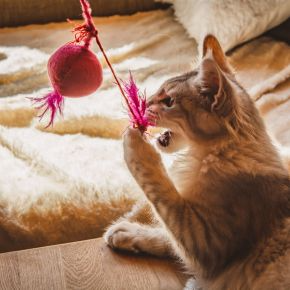
How to Exercise Cats and Encourage Play
Keeping your cat fit and active is essential for their overall health and wellbeing. Just like humans, cats benefit from regular exercise to maintain a healthy weight, strengthen muscles and stimulate their minds. Encouraging cat fitness doesn’t have to be complicated – our team at Towcester Vets have come up with a few simple strategies to help your cat stay lively and engaged.
Concerned your cat is looking sluggish lately? Book an appointment and our vets in Towcester will give them a nose-to-tail check up with advice on how to get your feline friend moving again.
How to encourage feline fitness
Interactive playtime
One of the easiest ways to get your cat moving is through interactive play. Toys that mimic prey, such as feather wands, laser pointers, and motorised mice, can trigger your cat’s natural hunting instincts. Our team at Towcester Vets suggest aiming for at least two short play sessions a day, each lasting around 10–15 minutes. Varying the toys will keep things interesting and prevent boredom.
Create a stimulating environment
Cats love to climb, jump, and explore. Providing vertical spaces like cat trees, shelves, or window perches encourages movement and gives them a sense of territory. Puzzle feeders and treat-dispensing toys also promote mental stimulation while encouraging physical activity.
Check out these great cat fitness ideas our Towcester veterinary nurses found on Pinterest.
Encourage natural behaviours
Scratching posts, tunnels, and cardboard boxes can inspire your cat to engage in natural behaviours that involve movement. Our team at Towcester Vets suggest rotating these items or changing their location occasionally can reignite your cat’s curiosity and keep them active.
Consider a companion
If your cat is sociable, another feline friend might help boost their activity levels. Cats often chase, wrestle, and play together, which can be a great source of exercise. However, it’s important to ensure both cats are compatible and properly introduced to avoid stress – contact us for advice on introducing cats safely.
Monitor diet and weight
Exercise alone isn’t enough. A balanced diet plays a crucial role in cat fitness, which is why you should avoid overfeeding and monitor your cat’s weight regularly. Call us on 01327 350239 for advice from our veterinary nurses in Towcester on portion sizes and suitable food options – especially if your cat is overweight or has specific health needs.
Make it fun
Above all, Towcester Vets’ cat-loving team recommend making fitness enjoyable for your cat. Pay attention to what they respond to and tailor activities accordingly. Some cats prefer chasing, while others enjoy climbing or exploring. The key is consistency and variety.
By incorporating these tips into your daily routine, you’ll not only improve your cat’s physical health but also strengthen your bond. A fit cat is a happy cat, and a happy cat makes for a happy home!
Our vets and nurses in Towcester are happy to give you tailored guidance for your feline friend – just book an appointment and together we’ll help your cat move more.
CMA Report
With the Competition and Marketing Authority’s report being released and widely debated we felt we should discuss the findings and how they impact us.
- provide a price list for specific services and treatments and certain other information on websites and in your practices
- provide itemised bills for treatments and services
- provide a written estimate for treatments that could reasonably be expected to cost more than £500
- inform pet owners that they can get written prescriptions and that medicines may be cheaper online
- cap the fee for providing a written prescription
- provide information to the RCVS (for example pricing information) to go on their Find a Vet page
- if you have more than one practice, making it clear that your practices are owned by a group
- have a complaint process that meets certain specified criteria
- confirming to the RCVS every year that you are doing these things
Towcester Vets on 5 Fatty Foods Owners Commonly Feed Pets
Is your pet piling on extra pounds without you knowing why? Sometimes, the culprits are closer to home than you might think. At Towcester Vets, we often meet well-loved pets who are just a bit too well-fed, and more often than not, it’s the little extras that are doing the damage.
Our veterinary nurses have highlighted below some high calorie foods that you should only offer to your pet sparingly, if at all. Carrying extra weight can lead to obesity, diabetes, joint pain and other health issues, so it’s important to keep this in check.
If you’re already concerned about your pet’s weight then book a weight check with our nursing team in Towcester.
Why are fatty foods such an issue? High-fat foods can cause obesity in cats and dogs, which then increases their risk of diabetes, joint problems, heart disease, and a shortened lifespan.
Five surprising foods that can contribute to pet weight gain
1. Cheese
It’s often the go-to treat for hiding tablets or sharing a snack, but cheese is *very* calorie-dense for pets. Our veterinary nurses in Towcester explain that even a small cube can be the equivalent of a full meal for a small dog or cat. If you do use it, best to keep it tiny and infrequent.
2. Peanut butter
It’s often used in enrichment toys or on lick mats and pets love it, but it’s high in fat and calories. Always choose a pet-safe, xylitol-free version – and serve sparingly!
3. Gravy and sauces
A splash of gravy on kibble might feel like a treat, but it often contains high levels of salt and fat that pets don’t need, as well as toxic ingredients like onions and garlic. Over time, it can contribute to weight gain and upset tummies too.
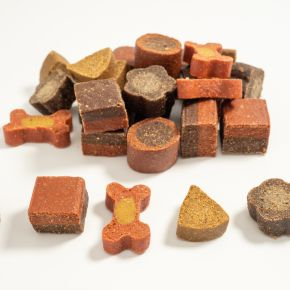
4. Dental chews
Wait, aren’t these healthy? Towcester Vets’ nursing team explain that they can be if used correctly. Many are quite large and calorie-rich and if you’re giving one every day without adjusting the rest of your pet’s meals, the calories add up fast. Always ensure you’re choosing appropriately sized dental chews and again, use sparingly.
5. Too many training treats
Our veterinary nurses in Towcester are advocates of reward-based training, but it’s easy to overdo it. Keep treat sizes small (think pea-sized!) and count them as part of your pet’s daily food allowance.
Call us on 01327 350239 to book a nurse appointment at Towcester Vets, in which our nurses can help you with appropriate portion sizes for training treats.
Little extras = big difference!
It’s not about cutting out treats altogether – just keeping an eye on how much your pet is really eating. Every small snack adds up when you weigh less than 10kg! An alternative to shop-bought dog treats is to give small pieces of carrot or cucumber instead as your dog will likely enjoy them all the same!
Worried your pet might be carrying a little too much love around the middle? Book a weight consultation with our nurses in Towcester.

How to Spot Heart Disease in Dogs Early
Your dog’s heart works just as hard as your own and like humans, dogs can experience a range of heart conditions, especially as they get older. Towcester Vets’ clinical team have pulled together some advice for pet owners in Northamptonshire on how to look after your dog’s heart. With the right care and attention, heart problems can be managed or even prevented in some cases. Here’s what to watch for, and how to keep that tail wagging for years to come.
In its early stages, canine heart disease can be difficult to detect, so an annual check-up (or screening if your dog’s breed is more prone) is important – if your dog is due a check-up then contact us to book.
You may also want to download our factsheet on Spotting Heart Disease in Dogs at Home.
Get in touch to book an appointment
Common heart conditions in dogs
Towcester Vets’ team explain that although some dog breeds are more prone to heart problems than others, heart issues can affect dogs of any age, size, or lifestyle. The most commonly seen conditions include:
– Mitral valve disease (MVD):
A degenerative condition affecting the valve between the heart’s chambers. Most common in small breeds such as Cavalier King Charles Spaniels.
– Dilated cardiomyopathy (DCM):
A disease that causes the heart muscle to weaken and enlarge. More often seen in larger breeds like Dobermans and Great Danes.
Spotting signs early
Heart disease can develop gradually, so the symptoms aren’t always obvious at first. Common signs of heart disease in dogs to look out for include:
- Tiring easily during walks or play
- Coughing, especially at night
- Reduced appetite
- Fainting or collapsing
- Fast or laboured breathing
- A swollen belly
Read more about these signs, and others, in detail in our Dog Heart Factsheet.
If you notice any of these, make sure you book a check-up with our vets in Towcester as soon as possible.
Looking after your dog’s heart
While not all heart conditions can be prevented, Towcester Vets’ team share that good daily care and early intervention can make a huge difference:
- Keep your dog a healthy weight – Excess weight puts extra strain on the heart.
- Stick to regular vet check-ups – This helps catch problems before they become serious.
- Exercise sensibly – Daily walks around Northamptonshire are great but it’s best to adjust activity levels if your dog starts to show signs of fatigue.
- Feed a heart-healthy diet – Our vets can recommend food that supports cardiovascular health.
Caring for your dog’s heart means giving them the best chance at a full and happy life. If you’re ever in doubt, just ask our team at Towcester Vets – we’re here to help.
Plus, remember to download our factsheet on Spotting Heart Disease in Dogs at Home

A revolutionary treatment in Equine Osteoarthritis
Alpha-2 Treatment
What is Osteoarthritis?
Osteoarthritis is a degenerative, inflammatory process within joints, causing cartilage damage by the upregulation of harmful proteases and pro-inflammatory cytokines. Osteoarthritis is a common cause of lameness and poor performance in horses, with several treatment options available, including anti-inflammatory and regenerative therapies. Innovative research in this area is ongoing, with Orthobiologics at the forefront.
What are Orthobiologics?
Orthobiologics are therapies produced from naturally occurring substances in the body, such as blood and bone marrow, which can be used to treat musculoskeletal conditions. These include stem cells, platelet-rich plasma, autologous conditioned serum and most recently alpha-2-macroglobulin.
What is Alpha-2?
Alpha-2-macroglobulin is a protein present in the blood, which acts as part of the immune system. It works by binding to harmful proteases and pro-inflammatory cytokines in joints that are known to cause cartilage damage. Unlike corticosteroids, which are the most commonly used synovial anti-inflammatory, Alpha-2 appears to also have a modulatory and regenerative effect, therefore promoting healing as well as inhibiting cartilage degeneration.
Alpha-2 can be harvested from horse’s blood and injected directly into inflamed joints or synovial structures following processing. It has been proven to be an effective treatment for osteoarthritis and synovitis, as well as airway inflammation in cases of equine asthma. Studies have shown reduction in lameness, joint effusion and pain on palpation and flexion of joints following Alpha-2 therapy.
What is the process?
Blood is collected from your horse under sterile conditions, at least 3 days following any sedation with alpha-2 agonists and 5 days following any administration of non-steroidal anti-inflammatories. The blood is processed at our clinic, using a specialised centrifuge and filters to produce a highly concentrated alpha-2-macroglobulin solution. Typically, the volume of solution obtained is between 29-32ml, which is dispensed into smaller syringes depending on your horse’s individual treatment plan.
The Alpha-2 solution is ready to inject straight away once it has been processed but can also be stored in the freezer for several months after. The injection site will be prepared as normal prior to injection, and there are no contraindications with the use of sedatives or non-steroidal anti-inflammatories at the time of treatment.
The treatment plan will vary depending on your horse’s individual needs, however a typical protocol for osteoarthritis would be three injections of Alpha-2 into the joint at 4-weekly intervals.
For further reading please click here
If you are interested in discussing the above treatment with one of our equine vets please do not hesitate to reach out to our team 01327 811007 or alternatively email reception@towcesterequine.co.uk
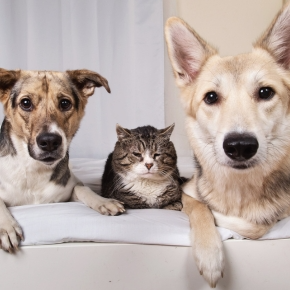
Simple Changes to Support Arthritic Pets at Home
Is your pet getting a bit slower, stiffer, or less keen to jump and play? Arthritis is common in older pets and even younger ones can develop joint issues. The good news is that a few simple changes at home can make a big difference to their comfort.
At Towcester Vets, we believe that a cosy, accessible home is part of good pet care. If your furry friend is showing signs of creaky joints, our vets have prepared some easy home care ideas to help them feel more supported. Not sure if your pet is struggling with arthritis? Book an appointment for our vets to check them over.
Make movement easier
Jumping, climbing and even standing up can be tricky with sore joints. Give your pet a helping paw with:
- Pet ramps or steps to help them reach favourite sofas or get in the car
- Raised food and water bowls to reduce neck and back strain
- Soft mats or rugs on slippery floors to prevent slips and help with traction
For pets that shouldn’t be climbing stairs, our vets in Towcester suggest using stair gates or blocking access to upper floors.
Create a warm and cosy spot
Chilly floors and draughts are no fun when your joints are aching.
- Choose orthopaedic beds with memory foam for better support
- Use warm blankets or vet-safe heated pads, especially in winter
- Place beds in quiet, draught-free spots away from busy foot traffic
Make sure their bed is easy to get into and out of – some pets need a flatter design without high sides.
Stay organised and accessible
Our team at Towcester Vets advise keeping everything close to hand helps reduce unnecessary movement or strain:
- Put litter trays, beds and food bowls on one floor if stairs are difficult
- For outdoor cats, consider an indoor litter tray if they’re stiff after naps
- Keep furniture layout consistent as pets use memory as much as vision when moving around
If your pet has trouble bending or turning, wide feeding stations and low-entry litter trays can help. Remember, if your pet is showing signs of discomfort, contact our vets in Towcester to talk about possible treatments.
Look out for the signs
Some pets hide their discomfort well. If you’ve noticed your dog hesitating before walks around Northamptonshire, your cat jumping less often or your rabbit resting more than usual, arthritis could be the cause.
There’s no need for pets to remain in pain – we can explore a range of treatments, supplements and pain management options with you. Even small changes can go a long way in supporting pets with arthritis. If you’re unsure where to start, our friendly vets at Towcester Vets are happy to advise on both treatment and home care – just book an appointment to chat to us.