Important spring parasite advice for Towcester Vets cat owners
With warmer temperatures and pets outside more in spring, parasitic problems can start to ramp up. Your cat cannot avoid all parasites but can be protected from them and believe us when we say, prevention is so much better than cure.
Our Veterinary nursing team in Towcester have some advice below for cat owners on which parasites to be more aware of this spring.
Why not come and talk to Towcester Vet nurses about the right combination of ongoing flea and worm treatments for your cat?
Cat fleas
Fleas are tiny 2-3mm long, blood-sucking parasites that are common in the environment. They are dark brown/black, oval-shaped critters with legs, that grow and turn a lighter colour the more blood they ingest. They excrete a mixture of blood and waste, leaving tiny specs of ‘flea dirt’ behind.
Fleas can jump up to 100 times their body length onto ‘hosts’ e.g. cats, dogs, rabbits, mice etc. Fleas can live up to one year and females can lay up to 50 eggs per day. Around 95% of flea eggs, larvae, and pupae live in the environment (including your home) and not on pets. Fleas can carry diseases and will irritate your cat, other pets, and your human family.
Six common signs your cat has fleas:
- You can see them moving about
- Flea dirt (looks like tiny dark specs) – common around the tummy and groin
- Your cat is scratching excessively
- Bold or sore patches, red irritated skin, spots, or scars from scratching
- Thickened skin in areas such as the edges of the ears
- Members of your human family have unexplained bites
Our team of nurses advise that if your cat has fleas you will need to act fast, treating your cat, other pets, and your home to eradicate them. Ask our team about cat flea treatments.
Cat worms
The most common types of intestinal worms that affect cats of all ages are tapeworms and roundworms. Quite often cats won’t show symptoms of having worms until there is a heavy burden of them causing weight loss, vomiting, diarrhoea, irritation around the bottom area, and a failure to thrive. Some cats may appear constantly hungry but do not put on weight.
- Roundworms – eggs are passed through cat faeces and can remain viable in the environment for several years. Cats might eat eggs from the environment or eat mice and rats who have eaten the eggs and become intermediate hosts.
- Tapeworms – eggs are released from these long flat worms into their host and look like grains of rice in the faeces, around your cat’s bottom and/or in their bed. Intermediate hosts tend to be mice and fleas, which cats eat or ingest when grooming.
- Hookworms – can damage the intestinal lining and cause anaemia, bleeding, and weight loss, but are thankfully rare in the UK. Eggs are eaten from a contaminated environment, or a ‘host’ is eaten. Their larvae can also burrow into your cat’s skin.
Ticks on cats
Ticks are more common in certain areas of the country and generally become more active in warmer months. They tend to live in long grass and fields where livestock graze. Like fleas, they jump onto their hosts and attach their mouthparts to suck blood, growing as they feast. Ticks are particularly dangerous as they can transmit Lyme disease and jump onto humans and other pets too.
Our Veterinary nurses advise that if you notice your cat scratching or over-grooming in one area, you should check them for ticks (and fleas). You may feel a small bump under your cat’s skin before you see these tiny critters. It is important to remember that ticks need to be twisted and pulled out slowly using a special tick remover; pulling a tick straight out can leave the head in and increase the risk of disease transmission.
Effective parasite protection
When it comes to preventative tick, flea, and worm treatments for cats, many over-the-counter brands are not effective. The best protection comes from putting your cat on a regular programme of vet-recommended parasite treatments, rather than a one-off treatment when a problem occurs.
Book an appointment with our experienced nurses who can talk to you about the best combination of treatments for your cat, which you can get from any of our three veterinary practices in Towcester.

Get Towcester Vets advice on dog fleas, worms, and ticks
What do dog fleas look like? Could my dog have worms? Why are ticks so dangerous? These are just some of the questions we get asked by our dog owners at Towcester Vets.
In this article, our experienced team of veterinary surgeons invite all dog owners to take a closer look at common dog parasites as we head into spring. Keep reading to discover what you need to know about dog fleas, worms, and ticks, and download our handy infographic highlighting the common signs to look out for here:
Get our Spotting Pesky Parasites guide
Dog fleas
As well as making your dog feel itchy, sore, and uncomfortable, fleas pose a serious health risk. They lay flea eggs on dogs and in your home, multiplying rapidly. A flea infestation can lead to anaemia (due to the volume of blood they consume), which can be fatal especially in puppies or unwell dogs.
Towcester’s veterinary surgeons advise owners that fleas do not spend all their time on pets. Fleas can also survive in cracks and crevices, on furniture, and in carpets for up to a year. If your dog gets fleas you will need to treat them, your home, and other pets – never share flea treatments between pet species.
How do dogs get fleas?
Fleas are common in the environment and can be easily picked up in the garden, on walks, and from other pets carrying them. The only way to avoid your dog getting fleas is to treat them (and cats if you have them) regularly throughout the year with vet-recommended preventative flea treatments. One-off treatments might remove existing fleas but won’t protect your pets going forward, neither will many over-the-counter products.
What do dog fleas look like?
Dog fleas are small, black/brown in colour, and swell after feasting on blood. You can sometimes spot them crawling or jumping on your dog, or you. To help you spot other tell-tale signs of fleas, get our dog parasite guide here.
Dog worms
To give your dog ongoing protection throughout their life, they will need a vet-recommended worming treatment every 1-6 months, depending on your Vet’s guidance. Some worms can have devastating consequences for your dog, and some can be passed to humans, hence the importance of preventative worm treatments.
- Roundworms: higher risk to younger dogs – can be passed to humans
- Tapeworms: exposure risk higher in dogs who scavenge for food and those with fleas – children at risk of contracting from infected faeces
- Hookworm & whipworm: like tapeworms, these are common intestinal worms that can cause health complications
- Lungworm: often fatal, picked up from the slime of infected slugs and snails – increased risk if dog toys and food/water bowls are left out overnight
- Heartworm: dogs travelling abroad can be at risk
To help you spot the tell-tale signs of dog worms, download our parasite guide here.
Ticks
Ticks mostly live in woodland, long grasses, and fields where livestock or deer graze. Although most prevalent in spring and summer, they can be problematic throughout the year in some areas.
Ticks are usually small, oval, and flat in appearance, about the size of a sesame seed. They can swell to the size of a coffee bean after a feast of blood. Towcester’s veterinary surgeons advise dog owners to check for small lumps on their dog’s skin (and their own) after walks.
Why are ticks so dangerous?
Ticks latch on by inserting their mouthparts into the skin to suck blood. A tick bite can cause irritation, anaemia, and temporary paralysis in rare cases. Ticks can also spread Lyme disease, which affects humans too and can lead to a serious, debilitating chronic illness with complications for life.
Read more about the dangers of ticks
How do you remove a tick safely?
It is important to use a special tick removal tool in a twist and pull motion instead of pulling a tick straight out, which could leave the head in and increase the risk of disease transmission. Ask our team about tick removal tools.
Get our Guide on how to remove a tick safely
With pets being outside more in spring they are more at risk of picking up parasites. To help you spot the signs of tick bites in dogs as well as worms and fleas, check out our handy dog parasite guide:
Download our Spotting Pesky Parasites Guide
If you found our article on dog parasites useful, why not share it with your dog-owning friends and family by email, WhatsApp, messenger or on Facebook?

Towcester Vets share good and bad foods for rabbits
If you are new to rabbit keeping, or just want a refresher on what they should and should not eat, the bunny-loving veterinary nurses at Towcester Vets have pulled together the following information for you.
Firstly, below is a list of foods that could seriously harm or even kill your pet rabbits. Once you have ‘digested’ that, check out our Healthy Rabbit Meal Planner to help you put together an ideal diet for your pets.
Download our Rabbit Meal Planner
Foods that your rabbits should not eat:
- Chocolate: toxic to rabbits – can be fatal
- Milk, cheese & yoghurt: severe gastric upset & life-threatening bloat
- Avocado: ingestion can be deadly
- Rhubarb: all parts toxic – causes mouth irritation, appetite loss, lethargy, diarrhoea, pain, dehydration – can be fatal in rare cases
- Iceberg & other light-coloured lettuces: dangerous sedative effect
- Apple seeds: contain cyanide – can be deadly in the right quantity
- Apricots, peaches & plums: cyanide in seeds/pits, high-sugar fruits
- Onion bulbs, chives & garlic: can cause fatal gastric upset
- Parsnips: contain psoralens which are poisonous to bunnies
- Potatoes: starch can harm digestion and parts of plants and tubers are toxic
- Some herbs & spices: fools parsley (looks like regular parsley), echinacea, jasmine, nutmeg, and others
- Cauliflower & silverbeet (chard): can cause colic and painful bloating
- Cereal (like muesli): can lead to tooth and tummy problems
- Walnuts, almonds & peanut butter: high in fat – can cause bad indigestion
- Dog, cat, hamster & bird food: could be nutritionally unbalanced and/or contain ingredients that are harmful to rabbits
- Grapes & raisins: not necessarily toxic to rabbits, but contain too much sugar for them to process
If you think your rabbits may have eaten an item off this list, or something else that could be harmful, call the team at Towcester Vets straight away on 01327 350239.
The above list is not exhaustive so you should always check online or ask our team if you are unsure.
Now that you know what foods not to give your pet rabbits, you are ready to create the ideal healthy diet for them. Download our handy menu planner and stick it on your fridge – this will help you to consistently give them the foods they need.

Towcester Vets share dog tick removal guide and advice
Following on from our recent article about common dog parasites, Towcester Vets’ experienced RVNs (Registered Veterinary Nurses) are delving deeper still into troublesome ticks to help you keep your dog healthy. Read their advice on why these parasites are so problematic and download our guide on how to remove them safely.
Why are ticks so dangerous?
Pulling that pesky tick straight out of your dog might seem like the obvious thing to do, especially if your dog is agitated. However, this can cause the head to detach, which can lead to more irritation and an increased risk of disease transmission.
This may sound horrible, but it is a common problem during spring and summer. Our RVNs at Burcote Road explain:
- Ticks mostly live in woodland, long grasses, and fields where livestock graze and wildlife roam. Although most prevalent in spring and summer, they can be problematic throughout the year in some areas.
- Ticks can vary but are typically small, oval, and flat. They are roughly the size of a sesame seed and can swell to coffee bean size after a feast of blood.
- They latch onto pets (and people) by inserting their mouthparts into the skin to suck blood. Many produce a sticky glue-like substance to stay attached.
- A tick bite can cause irritation, as well as anaemia and temporary paralysis in rare cases.
- Ticks can spread Lyme disease, which affects humans too. Left untreated, Lyme disease can lead to a serious, debilitating, chronic illness with complications for life.
How to tell if your dog has a tick bite
After a walk, whether in Towcester or further afield, our Nurses recommend that you check your dog all over for ticks – they will feel like small bumps. You should pay extra attention to your dog’s tummy, armpits, ears, head, neck, groin, and feet. Your dog might:
- be excessively scratching or biting at an area
- be shaking their head
- have an initial ‘bullseye’ rash around the bite site
- have intermittent lameness
- show fever or lethargy
How to remove a tick safely
You will need a tick removal tool that has been specially designed for the job. They typically come in a pack of two sizes and can be purchased from most vet practices, pet stores, and some online retailers. Our Vet Nurses recommend having a set in your pet first aid kit, your handbag, and your car.
The longer the tick is in your pet, the bigger the risk of disease transmission. If you are struggling to remove it yourself, contact our nursing team for advice.
Read our step-by-step guide on how to remove a tick safely

Register with AHDB to help shape the future of beef and lamb
In April this year AHDB levy payers will be able to have their say and influence the work AHDB does across the beef, lamb, dairy, pork and cereals & oilseed sectors. They will also be able to voice what they think are the major challenges across the industry. Towcester Farm Vets are working with AHDB to encourage beef & lamb clients to register in order that your opinions can be sought and heard by AHDB.
AHDB has looked at what they believe is important to levy payers and will be asking questions about whether this is the right focus.
For beef and lamb, this includes the work that goes into protecting the reputation of the industry. Marketing the benefits of beef and lamb to consumers at home and abroad through our We Eat Balanced campaign and exports work. Or the work that helps you build on the already strong environmental credentials of beef and lamb in the UK.
There’s the technical advice and guidance shared through manuals, tools and at events, including the Strategic and Monitor Farms. And the work on disease prevention, including BVDFree, tackling one of the biggest disease issues facing the cattle industry today, costing UK farmers in total between £25–£61m per year.
AHDB’s genetic improvement work provides an important way for producers to lift the productivity and profitability of their livestock enterprises. Genetic gain within the UK is currently worth £10.7m to the sheep industry and £4.9m per annum to the beef industry, with much of this work underpinned by AHDB’s programme of research, delivery and knowledge exchange.
AHDB also provides daily market prices and analysis of what’s on the horizon and what consumers are thinking and spending their money on.
You need to register for your chance to shape the future of AHDB at https://ahdb.org.uk/shape-the-future. Registration should take no more than five minutes and needs to be completed by 31 March. You will then be contacted to have your say from 11 April for four weeks.

Common causes of coughing in the horse
Spring is in sight, and after a damp and dark winter we look forward to the end of our horses’ ‘coughing season’. Horses can however pick up coughs all year round, which are generally caused by either allergies or infectious disease. It is important to understand and be able to determine the cause in order to know how to manage and treat your horse’s cough appropriately.
Allergic Airway Disease
Equine Asthma, previously called Respiratory Airway Obstruction (RAO) or Inflammatory Airway Disease (IAD) is a common cause of coughing and breathing difficulties in horses. It is non-infectious, cannot be spread to other horses and can affect individuals seasonally or all year round. Equine Asthma is generally caused by an allergy to environmental factors, such as dust or mould spores and grass or crop pollens during the summer months. Management changes are the best way to reduce exposure to allergens. For example;
- Changing bedding from straw to shavings a low dust alternative
- Changing dry hay to soaked/steamed hay or haylage
- Increase stable ventilation and turnout
- Reduce pollen exposure during the summer months
If management changes alone are not enough or your horse’s symptoms are severe, please contact our equine vets as further diagnostics and treatment may be required.
Infectious Respiratory Disease
Infectious coughs can be caused by viruses including Equine Influenza and Equine Herpes Virus. They can also be caused by bacteria such as Strangles and other secondary bacterial infections. In rare cases they can be caused by parasites such as Lungworm.
With an infectious respiratory disease you may see other clinical signs as well as a cough, such as a high temperature and or nasal discharge. You should also be mindful of in-contact horses which may also show similar signs. In these situations, it is important to speak to your vet and put biosecurity measures in place immediately to stop the disease from spreading to other horses and or yards. Some infectious respiratory diseases are self-limiting with supportive therapy, but some may cause severe illness. Diagnostic tests such as nasal swabs, endoscopy and blood tests are often required to determine the precise cause and to allow our equine vets to make the most appropriate treatment plan for your horse.
Given that the differences between allergic and infectious causes of dry horse coughs can be subtle… The most important thing to understand is that if you are concerned about your horse’s cough, you should contact our equine vets without delay.
Gwen Davies BVMedSci BVM BVS MRCVS
Towcester Equine Veterinary Surgeon
University of Nottingham

Why rabbit vaccinations are so important in Northamptonshire
With spring just around the corner, you will likely be flinging the windows open by your rabbit’s hutch or moving it back outside. You may even treat them to more time in the garden. Before you do, it is wise to make sure your rabbit’s vaccinations are up to date.
At Towcester Vets, we want to be sure rabbit owners are aware of the deadly diseases that can affect their pets and how to protect them.
Myxomatosis and Viral Haemorrhagic Disease can strike even if your pets live well away from other rabbits. These diseases sadly have high mortality rates. Fortunately, rabbit vaccinations are available to protect your pets. So why not get in touch with our team to make sure your rabbit is protected?
Why rabbits need vaccinating
Towcester Vets’ team of experienced Vets have pulled together the key facts about these horrible rabbit diseases below.
Myxomatosis
- Domestic rabbits do not need to be in contact with wild rabbits to catch it
- It spreads quickly and is passed through fleas, mosquitos, midges, and mites
- Symptoms include nasal and eye discharge, eye inflammation leading to blindness, swelling, redness/ulcers, problems breathing, appetite loss, and lethargy
- Even with the best possible veterinary treatment, very few pet rabbits survive Myxomatosis so vaccination is essential – book yours now
Viral Haemorrhagic Disease (VHD)
- VHD often occurs in outbreaks, spreading rapidly from rabbit to rabbit
- Your rabbit does not need to be in contact with other rabbits to catch it as the virus can be carried in feed, on bedding, by wild birds and insects, and on the feet of rabbit owners who have been walking in an infected area
- There are two strains – VHD-1 has a higher mortality rate (almost 100%) but VHD-2 can also affect younger rabbits under 6 weeks old that may not succumb to VHD-1
- Symptoms of VHD-1 include respiratory distress, fever, appetite loss, lethargy, convulsions, paralysis, and bleeding from the nose before death. Signs of VHD-2 can be vague.
- VHD is easily preventable with vaccines
What vaccinations do rabbits need & when?
You can protect your pet against Myxomatosis and VHD with annual rabbit vaccinations from just five weeks old. In some circumstances, our veterinary surgeons may advise more frequent vaccinations.
If your rabbit has been vaccinated and you cannot remember when their booster is due, get in touch and we can check.
A rabbit vaccination appointment also gives you the perfect opportunity to talk to Towcester Vets experienced team about your rabbit’s health in general.
Daily, regular & annual equine health checks – a quick guide
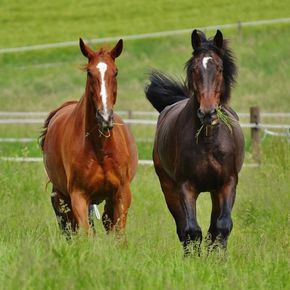
It is a good idea for horses to have an annual health check in addition to their daily checks and regular management/maintenance regime. Daily and regular checks ensure good basic welfare, whilst an annual check is effectively an MOT to assess all aspects of your horse’s health.
Daily healthcare checks for horses
A daily equine health check should include the following:
- Skin and coat
- Teeth and eating
- Eyes, ears, nose
- Legs
- Urine and faecal output
- Appetite and water intake
- Normal behaviour
For each of these elements you should understand and recognise what is normal for your horse. This means that should you notice anything out of the ordinary, you will be able to recognise this early on and take appropriate preventative measures.
Health indicators for horses that you should check regularly
As with humans it can be useful to understand the basic health indicators for your horse. These include their heart rate, breathing rate and body temperature. Check these regularly or as soon as the daily checks indicate a change.
What is the normal range of a horse’s heart rate?
The normal heart rate range for horses at rest falls between 28-48 beats per minute. At exercise it can be up to 200 beats per minute. Heart rate is measured using a stethoscope or by feeling the pulse under the jaw. An increased heart rate can be indicative of pain or stress. If you suspect your horse has an increased heart rate then veterinary advice should be sought.
What is the normal range of a horse’s breathing (respiratory) rate?
At rest a horse’s normal respiratory rate should be between 8-14 breaths minute. Breathing can be measured with a stethoscope or more usually by watching the sideways expansion of the chest. A sick or stressed horse may show an increased respiratory rate or increased respiratory effort, and veterinary advice should be sought.
What is a horse’s normal body temperature?
A normal temperature for a horse is between 37.5 – 38.5°C. Temperature can be measured by inserting the thermometer into the anus of the horse and holding against the side of the rectal wall. An abnormally increased temperature may be cause for concern and veterinary advice should be sought.
Other regular equine healthcare & maintenance
The teeth of domesticated horses do not wear in the same way they would in the wild, so dental care must not be overlooked. Regular dental check-ups ensure that the teeth do not develop sharp enamel points, which can cause ulceration to the oral mucosa. Dental checks also allow for a thorough evaluation of the dental arcades, ruling out any loose or fractured teeth, diastema or other dental issues.
Last but not least, regular farriery care should be incorporated into the routine management of your horse. This should include regular trimming even if unshod and turned away/not in work.
The annual equine health check
In addition to your daily checks and regular monitoring of the basic health indicators for your horse, an annual health check is a good idea. This can be carried out by your vet at the time of annual flu and tetanus vaccination.
At the annual check your vet will ask you about things you have seen during your daily and regular checks. Your vet will then go on to check the heart rate, gut sounds and lung fields by auscultation with a stethoscope.
The annual check can also be an opportunity to blood sample your horse to check routine bloodwork including haematology and biochemistry. These laboratory tests are useful in providing an overall clinical picture, particularly in geriatric horses or those with any underlying disease processes such as mild liver disease. These tests cannot replace specific tests such as those carried out for monitoring for Cushing’s disease.
Finally, the annual check is the ideal opportunity for your worming protocol to be discussed with your vet.
Get advice and book an annual equine health check
If you would like more details and further advice regarding daily, regular or annual health checks for your horse, then you can discuss these with one of our equine vets when they next visit your horse or yard. Alternatively, please contact our equine vets at the practice.
Mel Lean Dr MedVet BSc Hons MSc MRCVS
2018 Graduate
University of Budapest, Szent Istvan

Towcester Vets shares 14 signs of small furry pet dental problems
What do hamsters, guinea pigs, and rabbits have in common, besides being cute small furry pets? Well, they all have teeth that grow continuously and need the correct diet to keep them in-check naturally. Well done if you guessed it correctly!
Towcester Vets are hopping onboard with February’s Pet Dental Health Month and sharing advice to help small furry pet owners in Towcester learn about their pets’ dental needs.
Common small furry pet dental problems
A common dental problem that rabbits, guinea pigs, and hamsters face is overgrown teeth. If teeth are not kept at a healthy length by chewing food and gnawing, they can become too long and cause a variety of issues such as:
- Pain and discomfort
- Difficulty eating – after around 6 hours this becomes an emergency situation for rabbits & guinea pigs who should graze almost constantly
- Roots get pushed back into the jaw & skull
- Teeth break off causing discomfort (typically in hamsters)
- Overgrowth digs into the mouth and gums causing cuts and abscesses
- Dental disease
How to spot the signs
Spotting dental health problems in rabbits and other small furry pets can be tricky to the untrained eye. As prey animals, their instinct is to hide pain and avoid showing any sign of weakness.
That is why it is important for you as an owner to keep a lookout for any, or a combination of the symptoms below. Take a note of your pet’s general health, as well as how the inside of their mouth looks.
For rabbits and guinea pigs, if dental issues stop them eating for more than six hours this can become life-threatening very quickly. Therefore, it is important to be vigilant and nip dental issues in the bud quickly.
14 signs of dental problems to look out for:
- Long, deformed, misaligned, or broken teeth
- Redness of the gums
- Drooling
- Grinding teeth
- Bumpy jawline
- Weepy eyes
- Runny nose
- Swollen face
- Mouth sensitivity
- Eating less
- Weight loss
- A dirty bottom (grooming becomes difficult & painful)
- Diarrhoea or unusually soft faeces
- They are less active or quiet
How to avoid hamster, guinea pig & rabbit dental problems
Diet is the key to avoiding these types of issues. Hamsters, guinea pigs, and rabbits need the right type of fibrous food they can chew on to keep their teeth at a healthy length. Balanced nutrition also helps them develop strong bones and teeth, just as it does in humans.
- Rabbits need lots of fresh timothy hay to chew on as part of their daily diet.
- Guinea pigs need to bite, chew, gnaw, and grind food; hays, grasses, vegetables & herbs.
- Hamsters store food rather than graze all day. They need nutritionally balanced ‘complete’ rodent pellets, small amounts of fresh produce, and the occasional seed treat.
Enrichment is important too. Bored pets tend to gnaw on their cage, which can damage teeth. Try small wooden blocks, paper to shred, and pet-appropriate chew toys and treats.
Regular vet visits are also helpful. Our highly experienced small animal Vets in Towcester can check your pet for signs of dental problems and carry out the necessary procedures – teeth trimming, filing down spurs, treatment for infections, and extractions.

Towcester Vets explains the signs of feline dental disease to look for
Dental disease in cats is more common than you might think, affecting around 85% of cats over the age of three according to International Cat Care. With February being Pet Dental Health Month, Towcester Vets’ experienced team are here to help owners understand the dental problems their cat could be living with.
Plaque & tartar – the common culprits
Our Head Vet explains why so many cats have dental issues. Periodontal disease is typically associated with the build-up of plaque (layer of bacteria) and the formation of tartar deposits (hard yellow/brown substance) on the teeth. Left untreated, periodontal (dental) disease can develop, affecting the teeth as well as the supporting structures i.e., gums, ligaments, and bone.
Types of feline dental disease
– Gingivitis can be very painful and ranges from mild to severe; signs include red and inflamed gums, excessive drooling and bad breath, pawing at the mouth, difficulty eating, and bleeding in some cases.
– Periodontitis is severe gum disease, common in older cats with a lot of tartar deposits. Diseased ligaments begin to break down, exposing the roots and making the teeth unstable. Bacterial infection can be present and extraction is usually needed. Inflamed and receding gums are common signs.
– Stomatitis – Chronic gingivostomatitis is when inflammation spreads from the gingiva (gums) to other areas, often at the back of the mouth. It is extremely painful and cats will find it difficult to eat, probably lose weight, drool excessively, and show signs of pain such as pawing at the mouth. Some cases have been linked with persistent FCV and FIV infection.
– Feline resorptive lesions (FRLs) are erosions in the tooth in or below the gum line, commonly found in cats over five years old. Left untreated, the crown can come off leaving the root exposed.
– Fractures can be caused if the tooth is weakened and/or through eating extra hard food, engaging in rough play or hunting, or trauma.
Are some cats predisposed to dental disease?
Yes. Cats with misaligned teeth are more likely to develop dental disease; food gets trapped and can’t be cleaned effectively through diet and dental aids. Short-nosed breeds, congenital abnormalities (such as overbite/underbite), trauma, and deciduous tooth retention (when baby teeth don’t fall out and cause adult teeth to grow abnormally) are all causes of tooth misalignment. Other predisposing factors are an unsuitable diet and some infectious, preventable diseases.
How often should cats have a dental check-up?
Prevention and early diagnosis are key to protecting your cat’s oral health. Prevent disease by vaccinating your cat annually, and help to prevent plaque and tartar build-ups through regular home cleaning and a suitable diet. Our team can help you with all of this so do get in touch.
It is wise to book a 6-month check-up in between your cat’s annual vaccination & health check – a lot can change in a year and cats tend to hide pain. Checking regularly at home is a good idea too if your cat will let you. You are looking for red/swollen/bleeding gums, receding gums, excessively bad breath, tartar deposits, and missing/broken teeth.
As with all pet health concerns, we are on hand to help. Our Vets can carry out a thorough check-up of your cat’s teeth and gums, and our Vet Nurses can help you master the art of caring for your cat’s teeth at home, so don’t struggle alone.